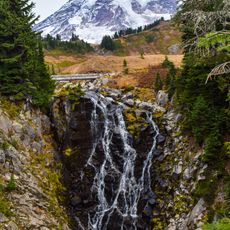
South Tahoma Glacier, Glacier in Mount Rainier National Park, United States
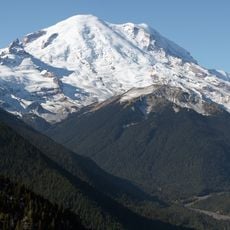
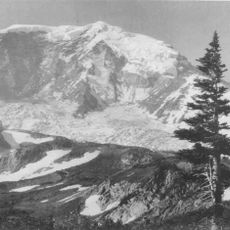
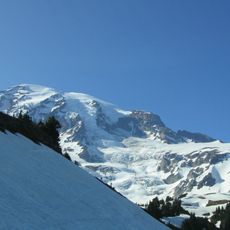
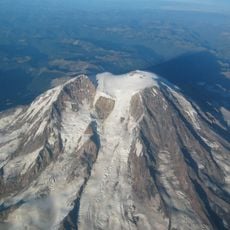
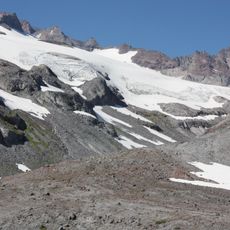
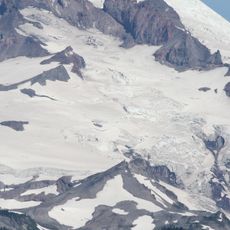
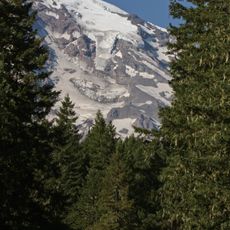
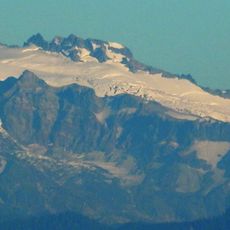
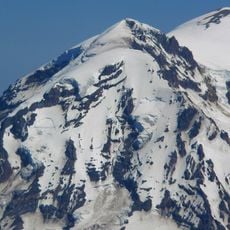
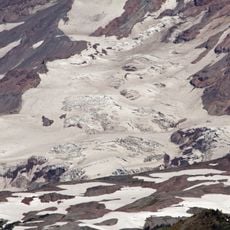
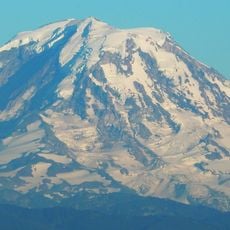
South Tahoma Glacier is a large ice formation flowing down the southwest side of Mount Rainier within the national park. It consists of thick layers of compacted snow and ice that extend across the mountainside with visible crevasses and blue-tinged ice surfaces.
The glacier formed between 15,000 and 25,000 years ago during the ice age as a single system with adjacent glaciers on Mount Rainier. Since then it has undergone significant changes due to warming temperatures and seasonal variations.
The glacier forms part of Mount Rainier's natural landscape and shows visitors how ice shapes the high mountains over time. People come here to experience the scale and power of glacial formations in the Pacific Northwest.
The best viewing location is Indian Henry's Hunting Ground, where the glacier is clearly visible from a safe distance. Plan your visit during warmer months when the roads are open and trails are passable.
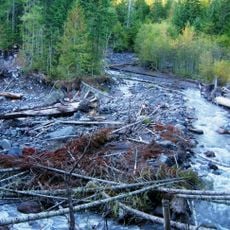
A sudden water release in 1967 from the glacier's surface created a powerful debris flow that reshaped the valley below. This dramatic event left visible scars on the landscape that remain apparent to visitors today.
The community of curious travelers
AroundUs brings together thousands of curated places, local tips, and hidden gems, enriched daily by 91,874 contributors worldwide.