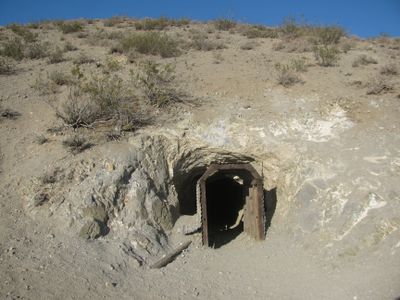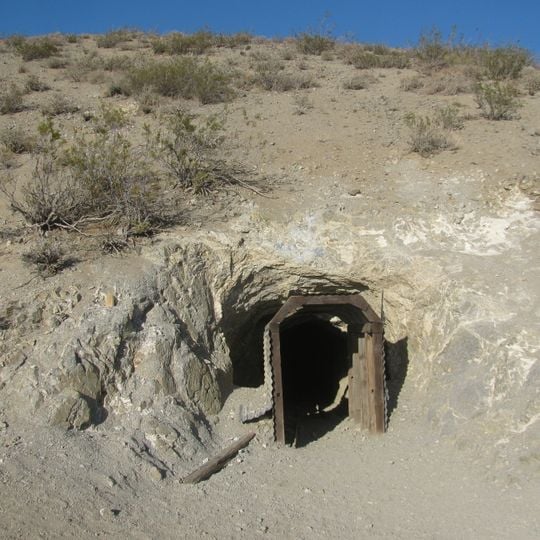
Burro Schmidt Tunnel, Historic mining tunnel in El Paso Mountains, California.
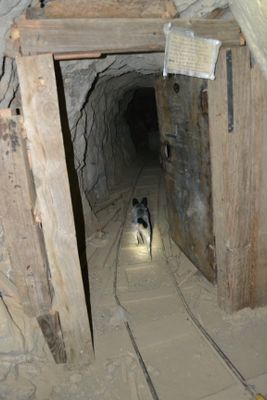
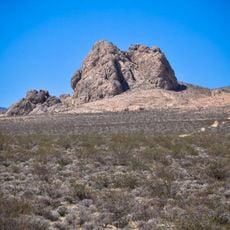
Burro Schmidt Tunnel is a hand-dug passage through granite rock in the northern Mojave Desert mountains. The passage measures about 6 feet (2 m) in height and 10 feet (3 m) wide, running roughly 2,000 feet (600 m) through solid rock.
William "Burro" Schmidt started the tunnel in 1906 to avoid hauling gold ore over a dangerous ridge to the smelter in Mojave. A road completed in 1920 made the tunnel unnecessary, but he kept digging, breaking through about 2,500 feet of granite in 1938. He then sold the tunnel and moved away.
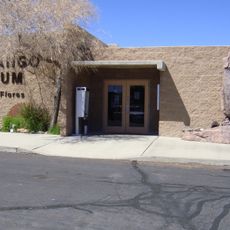
The passage dug by a single miner shows how people worked and lived in the early 20th century California desert. The preserved cabin near the entrance gives a sense of the simple conditions under which Schmidt spent decades.
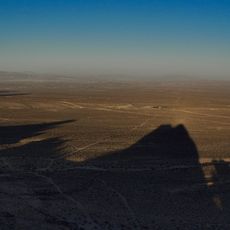
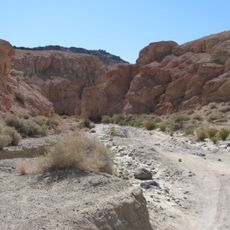
The tunnel lies below the summit of a 4,400-foot mountain; its southern portal faces the Fremont Valley, Koehn Dry Lake and the Garlock and Saltdale ghost towns. Reaching it means driving dirt desert roads north of Mojave, so a high-clearance vehicle is needed. Bring a flashlight for the unlit interior, where rails and timber framing remain.
Schmidt dug the entire passage alone, without powered machinery or hired help, which is extraordinary for a construction project of this size. The site also includes the remains of his living quarters where he stayed during the work.
The community of curious travelers
AroundUs brings together thousands of curated places, local tips, and hidden gems, enriched daily by 93,170 contributors worldwide.