Lake Tahoe, Freshwater lake on the California–Nevada border, United States
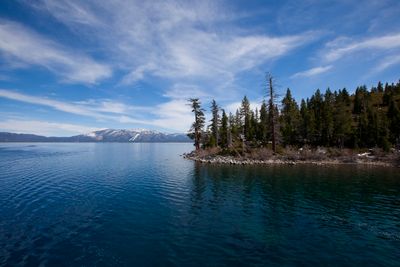
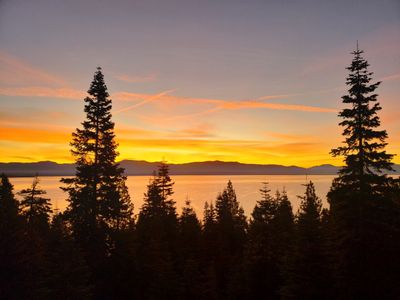
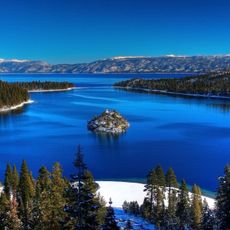
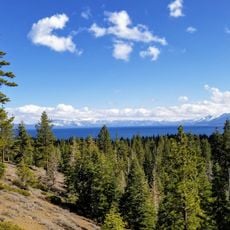
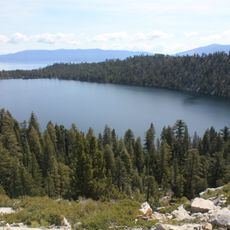
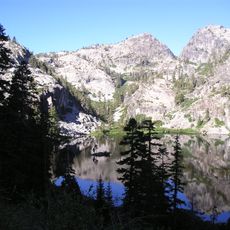
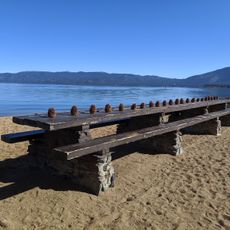
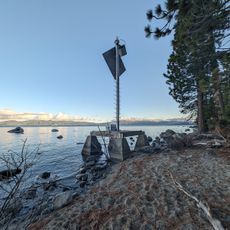
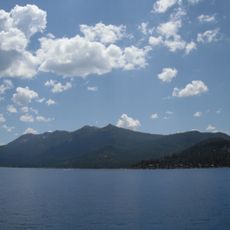
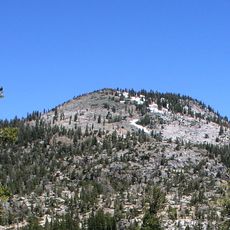
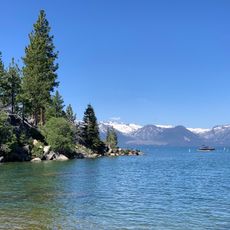
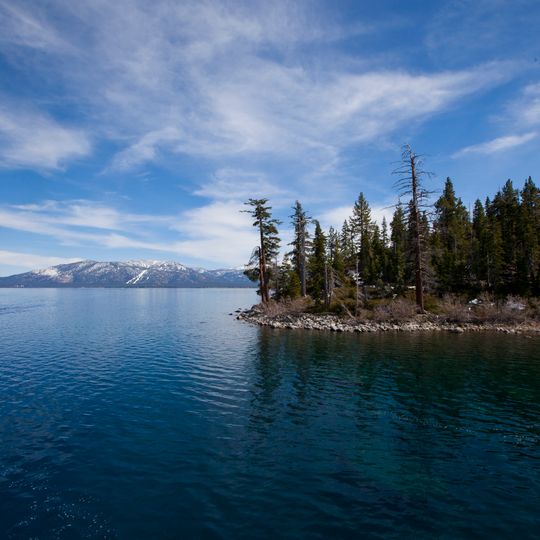
Lake Tahoe is a high-altitude freshwater lake straddling the border between California and Nevada, covering 499 square kilometers (192 square miles). Its deepest point reaches 501 meters (1,645 feet), making it one of the deepest lakes in North America.
The Washoe people settled here over 10,000 years ago, using the water for food and spiritual practices. The silver rush in Nevada during the 19th century transformed the area, as loggers cleared surrounding forests to supply mines.
The lake's English name comes from the Washo word dáʔaw, meaning 'the lake,' used without a modifier because of Tahoe's importance to Washo culture. It was called Lake Bigler until 1862, when Tahoe was introduced; both names ran in parallel until the lake officially became Lake Tahoe in 1945. A lake monster, Tessie, is said to live in the water.
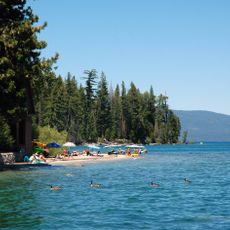
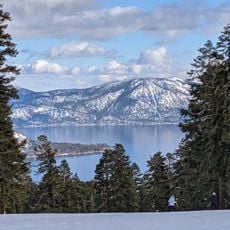
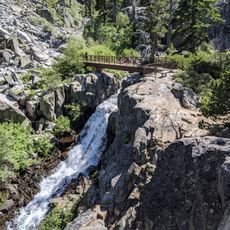
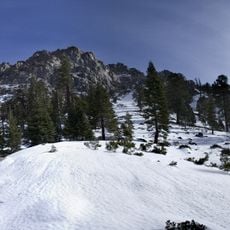
Visitors can walk or cycle along over sixty tributaries feeding the water, while the Truckee River to the northeast serves as the only outflow. Access is available year-round, though winter months bring snow to higher trails and summer months suit water activities.
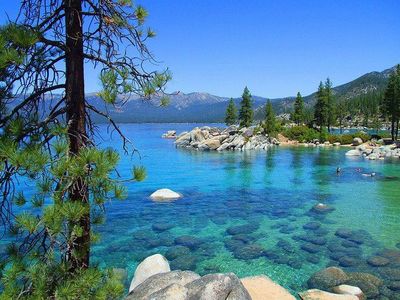
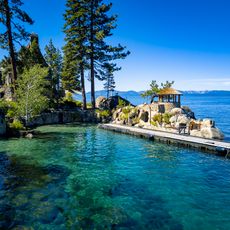
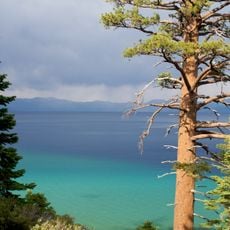
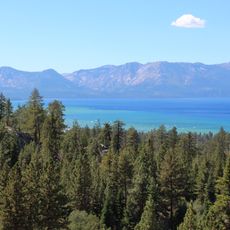
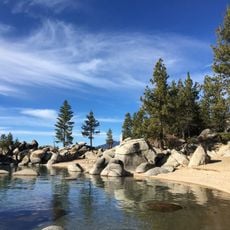
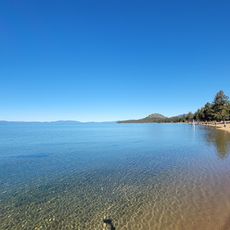
Clarity of the water allows visibility down to 21 meters (70 feet) below the surface, driven by exceptionally low nutrient levels. On some days, the water appears bluer than the sky because it scatters light in a way only a handful of lakes worldwide can replicate.
The community of curious travelers
AroundUs brings together thousands of curated places, local tips, and hidden gems, enriched daily by 92,157 contributors worldwide.