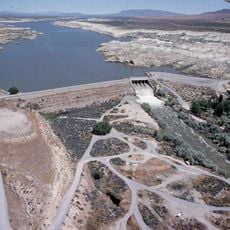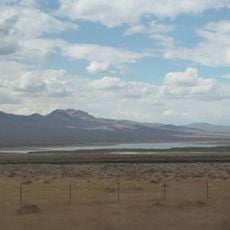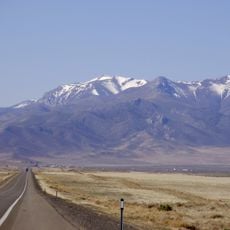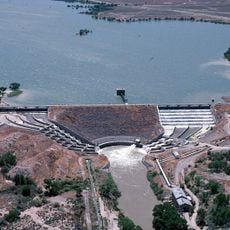
Humboldt River, River system in northern Nevada, United States
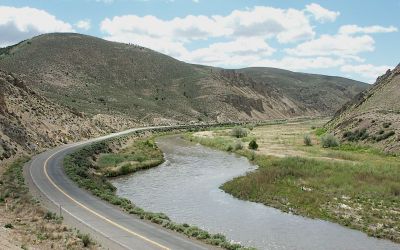
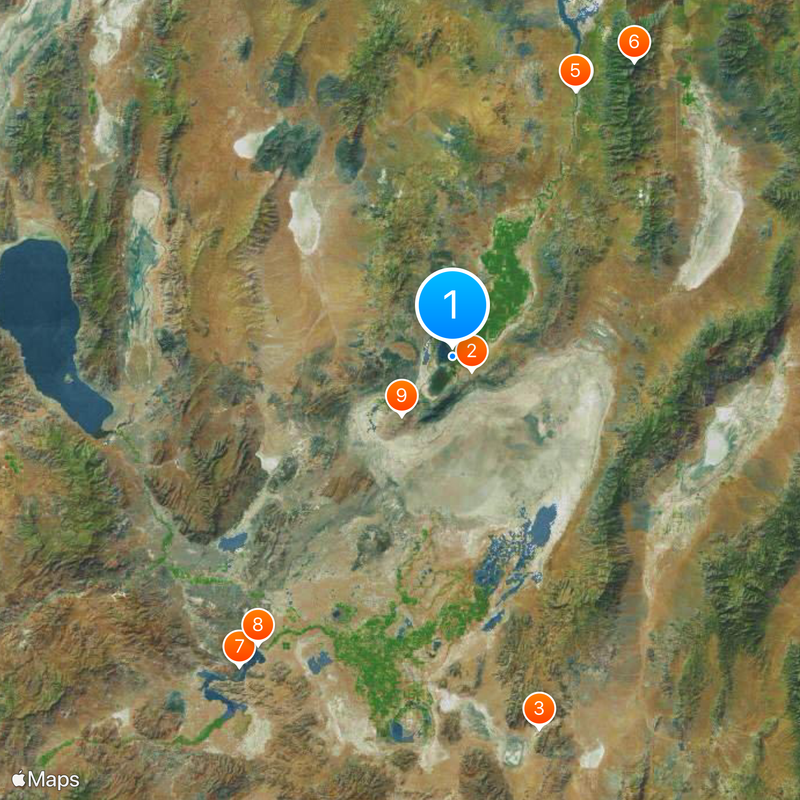
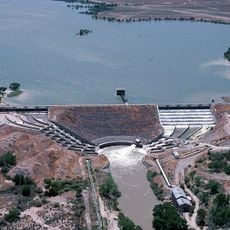
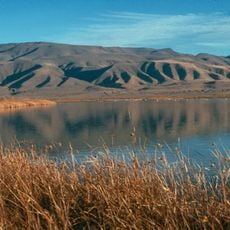
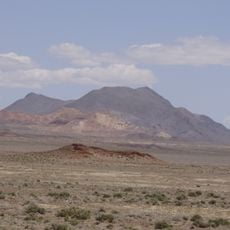
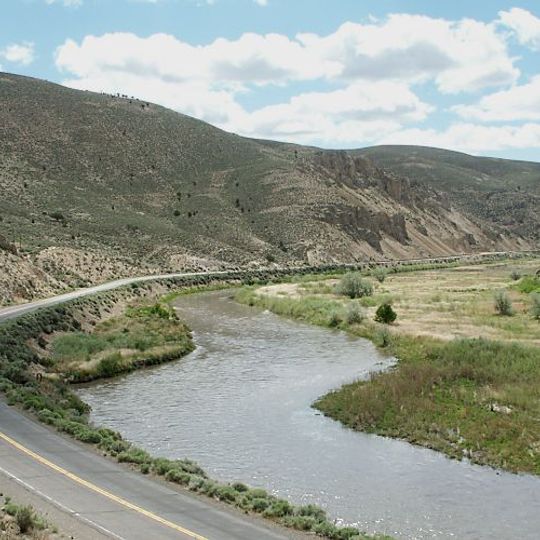
The Humboldt River is a waterway in northern Nevada that winds through an arid region spanning six counties and multiple mountain ranges. It begins in the highlands and flows westward through basins and valleys, eventually disappearing into a dry lake bed.
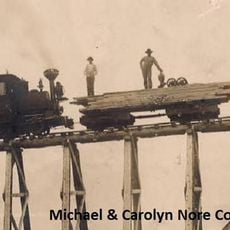
The river was first discovered in 1828 by a fur trader working in the region, and it received its current name in 1845 from a renowned American explorer. Decades later, the area became a major route for the first railroad to cross the continent.
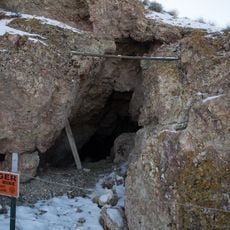
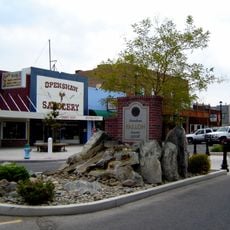
The river served as a vital corridor for people seeking gold in California, and the landscape still shows traces of their passage through old settlements and camps. Local communities along the way have long depended on the river for water and resources, shaping how they built and lived in this remote region.
The river can be accessed from several points along its course through dirt roads and local access points scattered throughout the region. Plan a visit by bringing plenty of water and sun protection, as the area is exposed and gets quite hot during summer months.
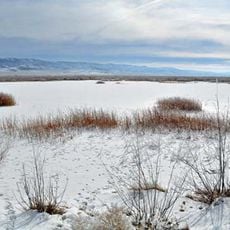
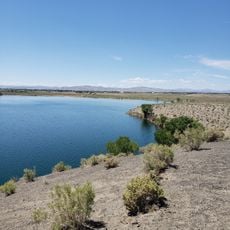
This river system remains entirely contained within Nevada and never crosses into any other state, making it one of the longest self-contained waterways in the American West. The Sink where it terminates is a shallow, seasonally variable basin that rarely holds permanent water.
The community of curious travelers
AroundUs brings together thousands of curated places, local tips, and hidden gems, enriched daily by 92,137 contributors worldwide.