Sand Mountain, sand dune in Churchill County, Nevada, US
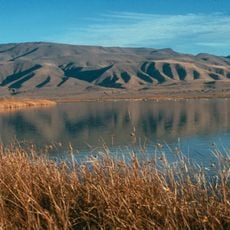
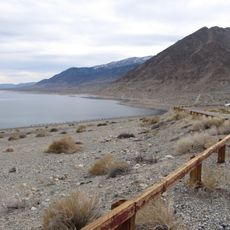
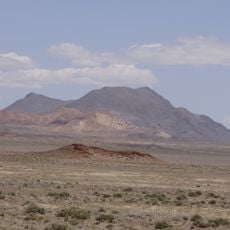
Sand Mountain is a singing sand dune in Churchill County, Nevada, rising about 175 metres above the Salt Well Basin at the edge of the Stillwater Range. It is roughly 5.5 kilometres long and 1.5 kilometres wide, the largest dune in Nevada, reached by a paved access road north of U.S. Route 50.
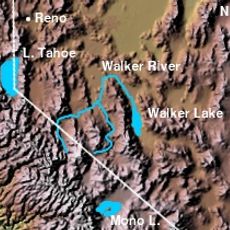
Sand Mountain formed after Lake Lahontan, the ancient lake that once covered the region, began drying up. About 4,000 years ago the lake level dropped below the dune's present height. Quartz grains worn from Sierra Nevada granite were carried by the Walker River to its delta, then blown northeast over 50 km until the Stillwater Range blocked further movement.
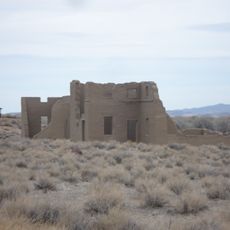
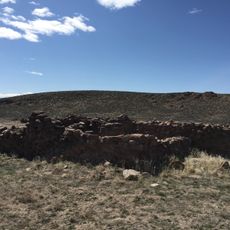
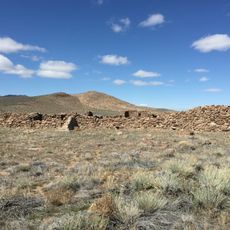
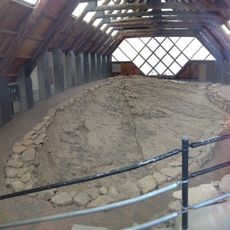
The ruins of the Sand Springs Pony Express Station sit at the base of this formation, marking where riders once stopped to change horses on their journey across the continent. Walking around the site, you can sense the role this place played in connecting distant communities.
Access is via a paved entrance road off U.S. Route 50, about 20 miles east of Fallon. All vehicles riding the dunes must carry 8-foot whip flags, and the camping-area speed limit is 15 mph. Camp only in designated areas; glass containers and burning tires are prohibited. A 37 km network of sand trails, set up in 2008, channels vehicle use to protect the area's plants and animals.
The Northern Paiute call the dune Kwazi and tell of Panitogogwa, a giant serpent whose body forms its crest; the singing sand is said to be the snake's voice. Many Northern Paiute avoid climbing it, fearing the serpent will swallow them. The dune is also one of only three places in Nevada where singing sand occurs.
The community of curious travelers
AroundUs brings together thousands of curated places, local tips, and hidden gems, enriched daily by 93,172 contributors worldwide.