Johnson Lake Mine Historic District, Mining historic district in White Pine County, Nevada, US.
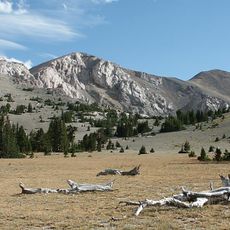
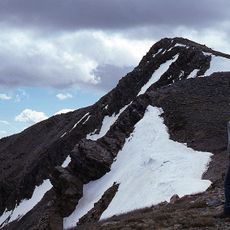
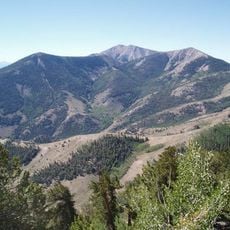
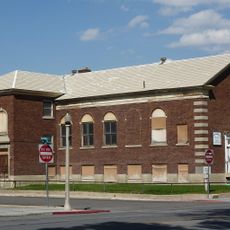
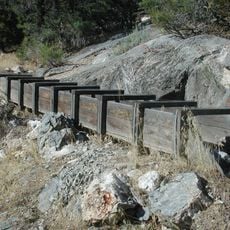
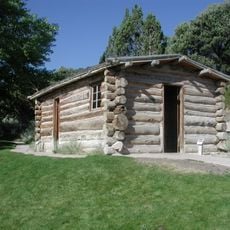
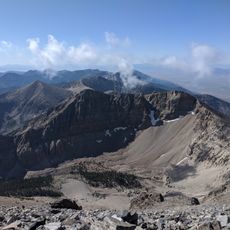
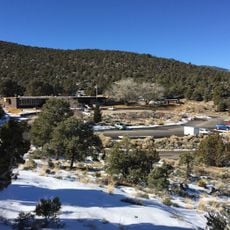
Johnson Lake Mine Historic District is a mining site in the Snake Range at about 11,000 feet elevation with remaining log cabins, mining structures, and an aerial tramway system. The buildings and equipment spread across the mountainside mostly date from the early 1900s.
Alfred Johnson filed a mining claim at Snake Creek Canyon in 1909 and, after prevailing in court against a rancher, established the Johnson Lake Mine in 1912, the year John D. Tilford discovered tungsten nearby and set up the Bonita Mine. The mine closed when a snowslide destroyed the aerial tram terminal after 1935. The district was listed on the National Register of Historic Places in 1995.
The log buildings and mining equipment show how workers lived in this remote mountain setting. Walking through the site, you can observe the simple structures they built and the tools they relied on for their daily labor.
The hike to the site starts from Snake Creek Road and requires several hours of walking there and back. The terrain is steep and the elevation demands good fitness and proper equipment for mountain conditions.
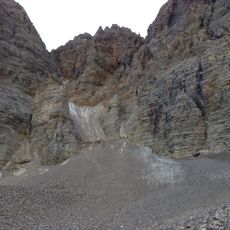
The site contains a tungsten-bearing quartz vein that stretches deep into the mountain and remains visible in the exposed rock faces today. This vein was what drew miners to work in this remote high-altitude location.
The community of curious travelers
AroundUs brings together thousands of curated places, local tips, and hidden gems, enriched daily by 93,240 contributors worldwide.