Nunavik, Inuit territory in Northern Quebec, Canada
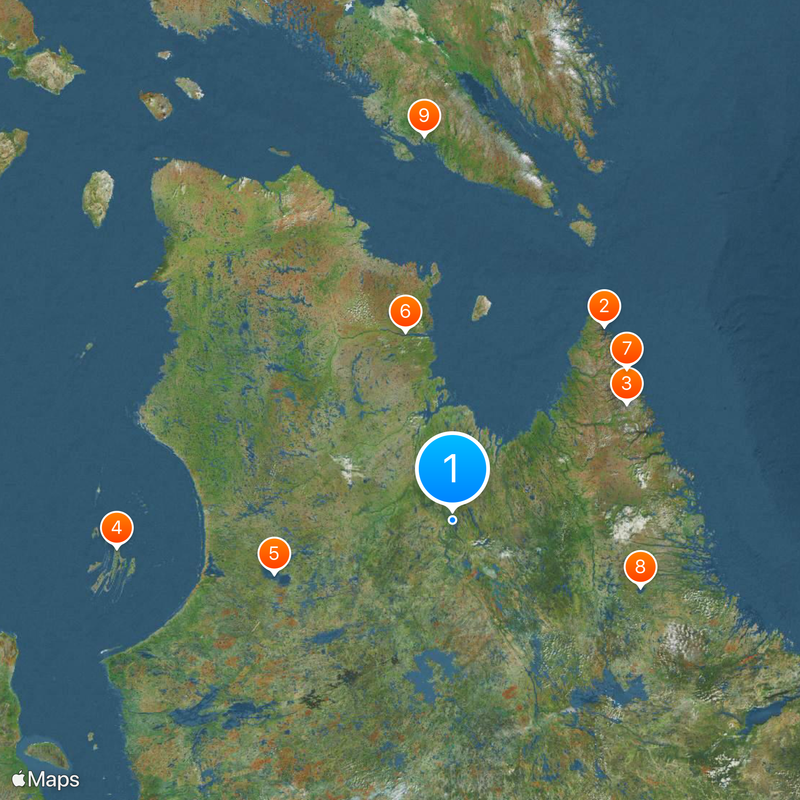
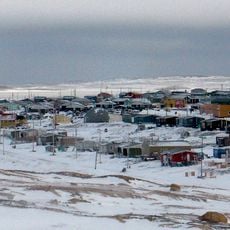
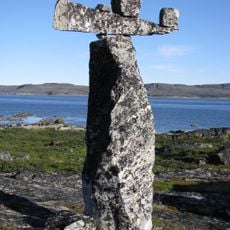
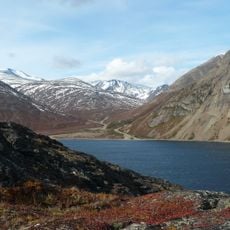
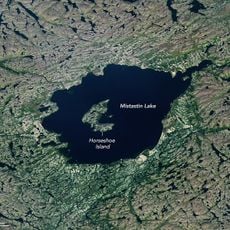
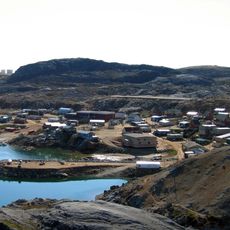
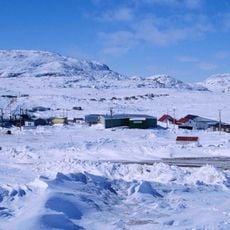
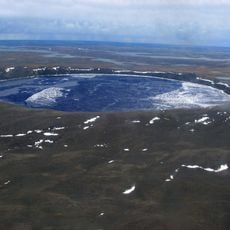
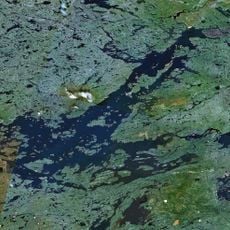
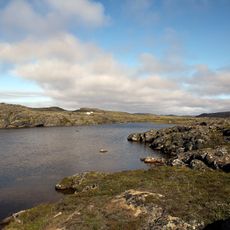
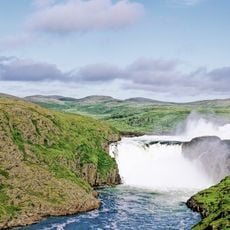
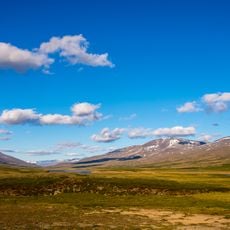
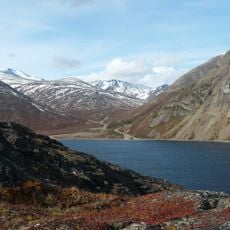
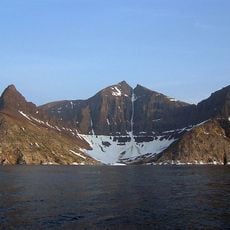
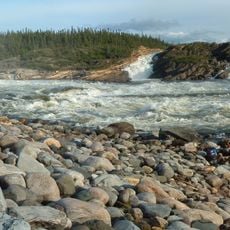
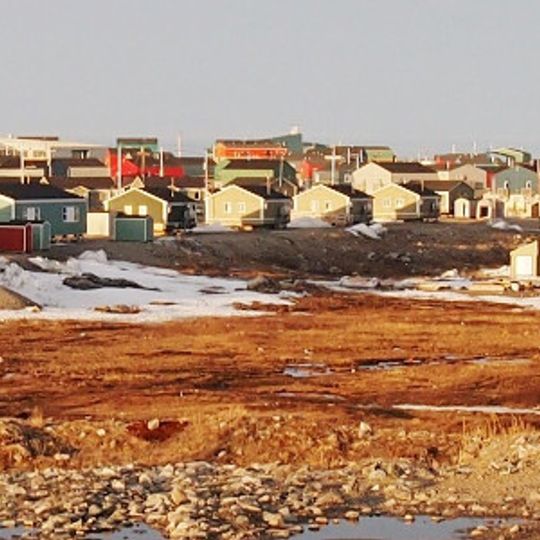
Nunavik is a territory in northern Quebec that spans the tundra between Hudson Bay and Ungava Bay, comprising fourteen small coastal communities. The landscape consists of open plains, rocky hills, and scattered lakes, with very cold climate and vegetation mainly composed of lichen and low shrubs.
The region became part of Quebec through a decision by the Canadian government in 1912, though the Inuit population has lived there for thousands of years. Negotiations for recognition of indigenous rights began in the 1970s, leading to the signing of the James Bay Agreement in 1975.
The population maintains its Inuit identity through traditional skills such as sewing clothing from sealskin and passing oral stories from generation to generation. When hunters return with fresh game from the hunting grounds, the meat is divided among families according to old customs.
The communities are accessible only by air, as no road connections exist to southern Quebec and supplies arrive seasonally by ship. Visitors should prepare for extreme weather conditions and bring all necessary provisions, as local stores carry limited selection.
In some villages, you can watch dog sled races during winter, with teams of several huskies running across frozen fjords. The local radio stations broadcast programs in Inuktitut and report on ice conditions, animal movements, and community news for distant listeners.
The community of curious travelers
AroundUs brings together thousands of curated places, local tips, and hidden gems, enriched daily by 92,490 contributors worldwide.