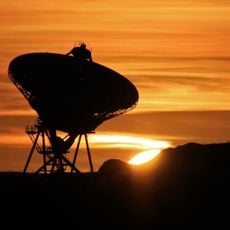
Robotic Optical Transient Search Experiment, Astronomical observatory in New Mexico, United States
The Robotic Optical Transient Search Experiment is a research facility in New Mexico's high desert equipped with automated telescopes designed to spot sudden cosmic events. These instruments can detect and track gamma-ray bursts and other transient phenomena as they happen across the sky.
The facility began operations in 1998 with four telescopes that could cover a large area of the sky. Since then the project has grown and become central to rapidly tracking cosmic events detected by space missions worldwide.
Scientists from multiple institutions, including the University of Michigan and Los Alamos National Laboratory, collaborate on research projects at this observatory.
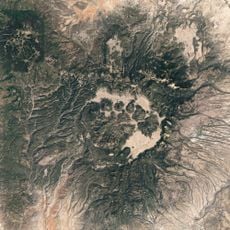
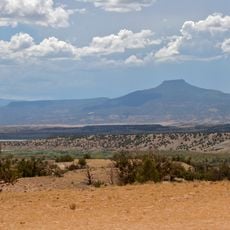
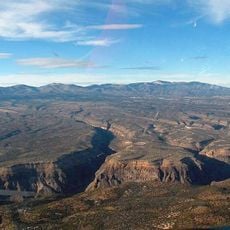
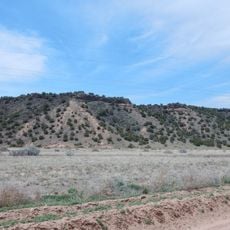
The site sits on high elevation in New Mexico's desert with excellent conditions for observation far from light pollution. Visits are available for students and the general public to learn how automated astronomy works and what equipment is used.
This facility captured the first optical afterglow of a gamma-ray burst while the original explosion was still unfolding. This breakthrough allowed astronomers to study cosmic explosions in their earliest stages and changed how researchers monitor these events.
The community of curious travelers
AroundUs brings together thousands of curated places, local tips, and hidden gems, enriched daily by 91,922 contributors worldwide.