Pioneer Sod House, Historic sod house in Wheat Ridge, Colorado
The Pioneer Sod House is a residence built from grass blocks and prairie sod constructed in Wheat Ridge, Colorado in 1886. The walls measure about 30 inches thick and are made from compressed soil and grass fibers to protect against cold and heat.
James H. Baugh squatted on land in the Clear Creek Valley until 1867, when veteran Polomia Garcia Y Padilla received a land grant and signed his rights to Baugh for $500. The National Register nomination dates the sod house to 1886, but the Wheat Ridge Historical Society believes it was built before 1864. It was occupied as a residence until summer 1972 and listed on the National Register in 1973.
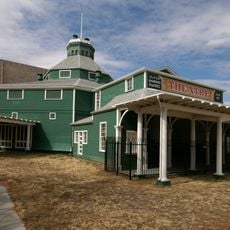
The Wheat Ridge Historical Society uses the house for events such as Cider Days and the May Festival. Inside, rooms are furnished as they may have looked in the late 1800s, with plastered and wallpapered walls. A Blue Spruce tree and a Bicentennial marker installed by the Daughters of the American Revolution in 1976 stand near the house.
The house belongs to the Wheat Ridge Museum and can be visited on organized tours. Visitors should ask ahead about opening hours and availability since tours may vary depending on the season.
The 1863 log cabin at the site was Colorado Territory's first registered homestead, originally built at 48th Avenue and Teller Street and later moved to the park. The sod house walls are held together with hog wire and the exterior is stuccoed over chicken wire and plaster.
The community of curious travelers
AroundUs brings together thousands of curated places, local tips, and hidden gems, enriched daily by 93,827 contributors worldwide.