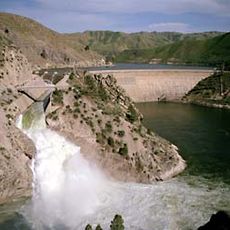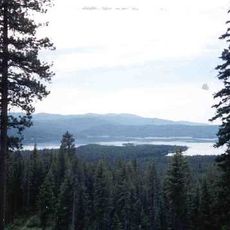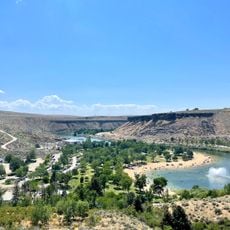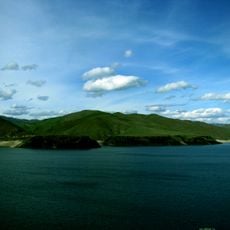
Boise National Forest, National Forest in Idaho, United States.
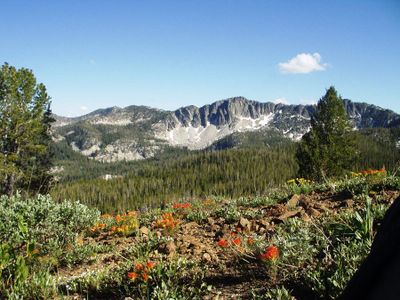
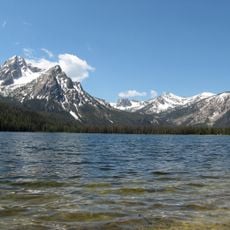
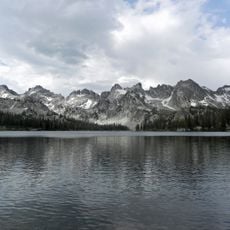
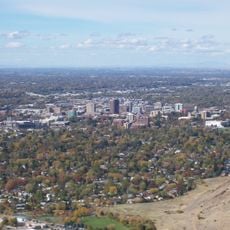
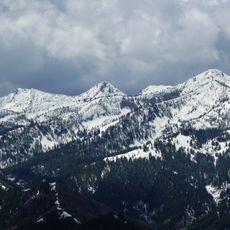
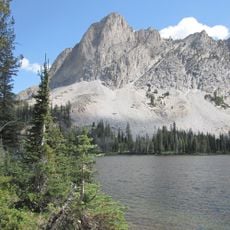
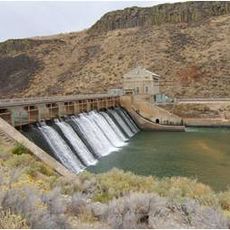
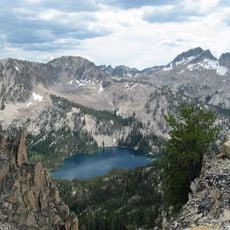
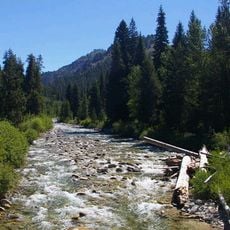
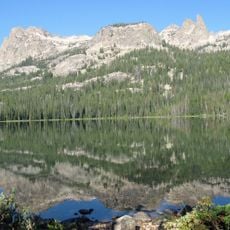
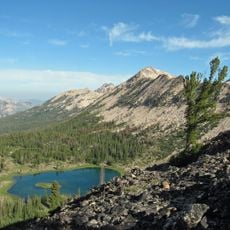
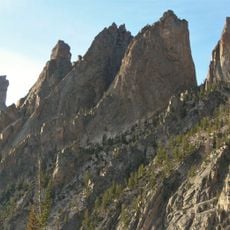
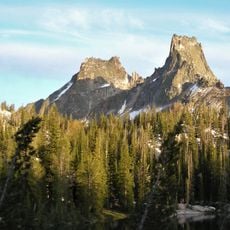
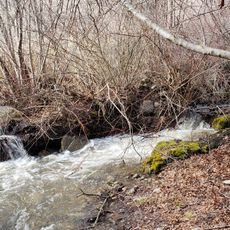
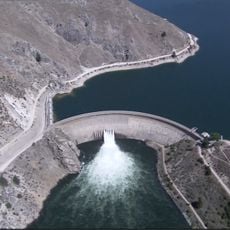
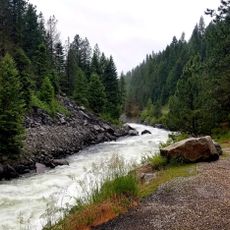
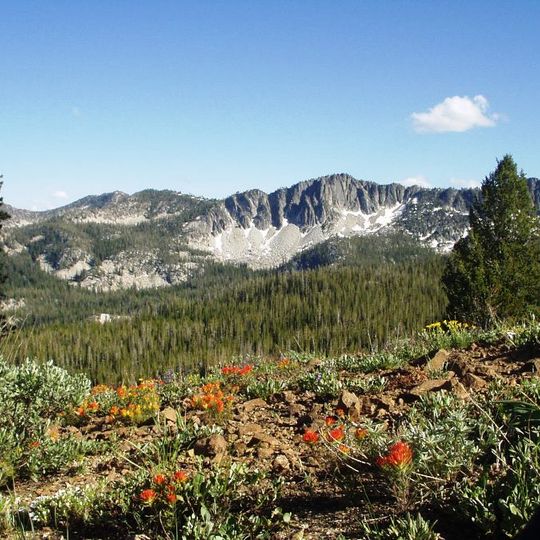
Boise National Forest is a national forest in Idaho spread across six counties, featuring mountain terrain, river systems, and diverse ecosystems that support wildlife. The landscape combines forest stands, alpine valleys, and numerous water features that define the region.
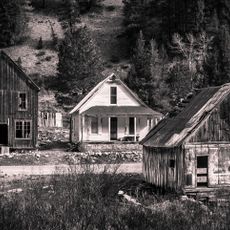
The forest was established in 1908 when it was separated from the original Sawtooth National Forest to create a distinct protected area. Gold mining became a major activity through the early and mid-twentieth century before operations eventually declined.
The land has deep roots in Shoshone history and shapes how local communities view the forest as a shared natural resource. Place names and water features throughout the region still carry indigenous names that reflect this long connection.
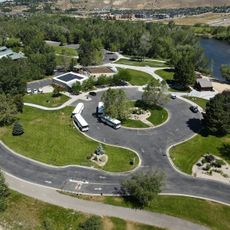
The forest offers numerous campgrounds and an extensive trail system for hiking, biking, horseback riding, and vehicle-based activities. Plan your visit between May and October when most roads and trails are accessible and weather conditions are favorable.
The forest is home to roughly three-quarters of all known Sacajawea bitterroot populations, a flowering plant found nowhere else in Idaho. This rare plant thrives in specific mountain habitats and remains closely monitored by conservation experts.
The community of curious travelers
AroundUs brings together thousands of curated places, local tips, and hidden gems, enriched daily by 90,939 contributors worldwide.