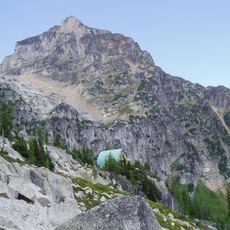
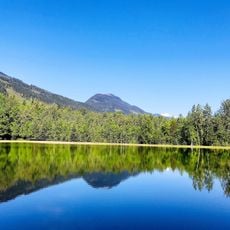
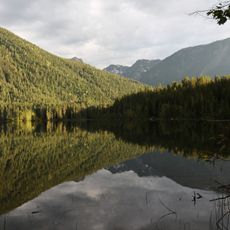
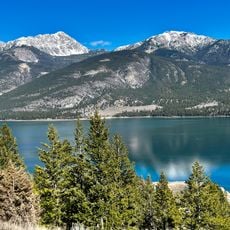
Duncan Lake, lake in Regional District of Central Kootenay, British Columbia, Canada
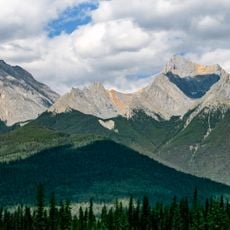
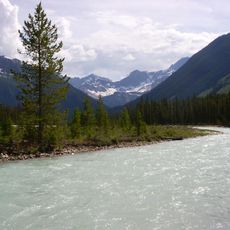
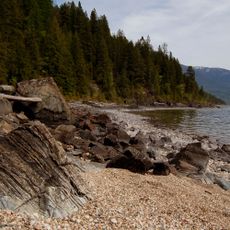
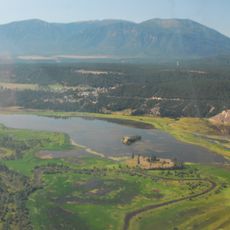
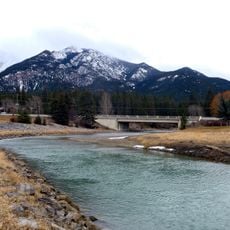
Duncan Lake is a reservoir in British Columbia created by the construction of Duncan Dam, extending approximately 45 kilometers in length. The lake is fed by the Duncan River, which flows between surrounding mountains, and the dam has transformed the natural river valley into a large water storage area.
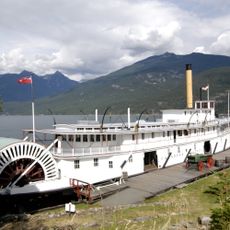
First Nations people historically used the Duncan River and surrounding area for salmon fishing and as a gathering place. In the late 1800s, prospectors arrived seeking minerals and gold, and in 1897 the steamboat Idaho became the first large vessel to navigate the river, opening the region to regular transport and mining operations.
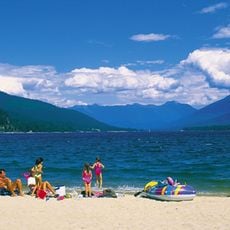
Duncan Lake was historically an important gathering and fishing site for First Nations people who came each year to catch kokanee salmon. Today, visitors continue to use the lake for fishing and outdoor activities, maintaining a connection to the area's long tradition of people gathering by the water.
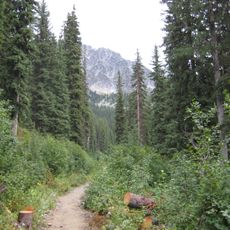
The area has well-marked trails, boat launches, and simple campsites with basic facilities suitable for families and outdoor enthusiasts. The lake is best explored with small boats or kayaks, and water flow is stronger during spring due to mountain snowmelt.
The Duncan River originates in the Purcell Trench and flows over 200 kilometers through forests and rocky terrain before joining Kootenay Lake. The dam has extended the original lake from about 16 kilometers to many more kilometers southward, flooding old wetlands and forests that now lie beneath the water.
The community of curious travelers
AroundUs brings together thousands of curated places, local tips, and hidden gems, enriched daily by 92,620 contributors worldwide.