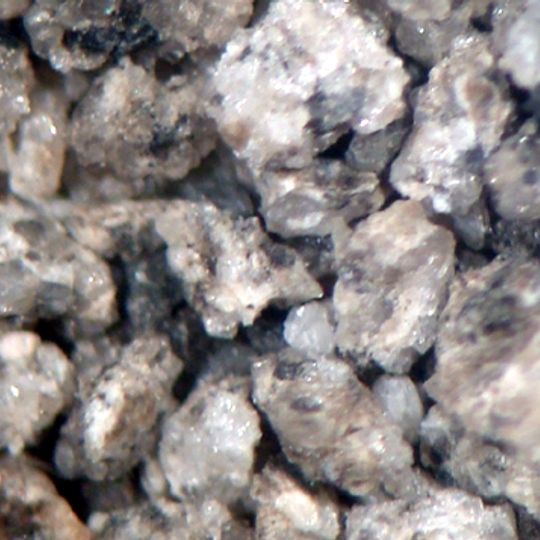
Cardium Formation, Geological formation in Alberta, Canada
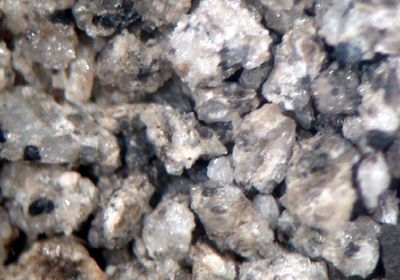
The Cardium Formation is an underground rock layer made of sandstone and mudstone found beneath western Alberta, Canada. It runs through much of the subsurface of the province and is one of the country's most productive sources of oil and natural gas.
A geologist first described this formation in 1895 and named it after heart-shaped shellfish fossils found within its rock layers. The sediments themselves were laid down roughly 100 million years ago at the bottom of a shallow inland sea that once covered much of North America.
The name of this formation comes from a heart-shaped shellfish whose fossils appear throughout its rock layers. Visitors interested in these fossils can see related specimens on display at natural history museums across Alberta.
Because this formation lies entirely underground, it cannot be visited directly without drilling or technical surveys. Natural history museums across Alberta offer displays that explain the region's geology and allow visitors to see related fossils up close.
The shellfish that gave this formation its name belonged to the genus Cardium, a type of cockle that has been extinct for millions of years. Geologists still use its fossils today to match and compare rock layers at different locations across Alberta's subsurface.
The community of curious travelers
AroundUs brings together thousands of curated places, local tips, and hidden gems, enriched daily by 92,182 contributors worldwide.