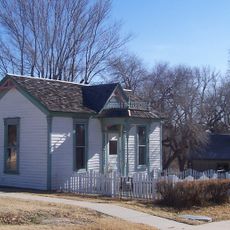
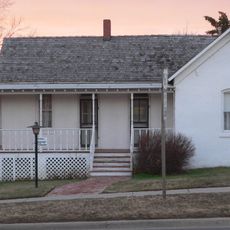
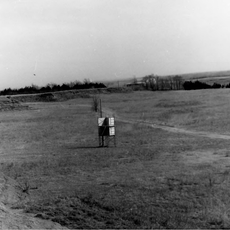
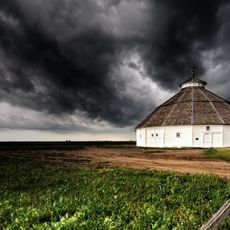
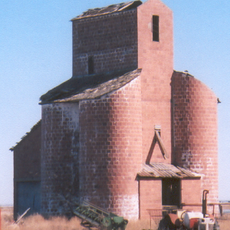
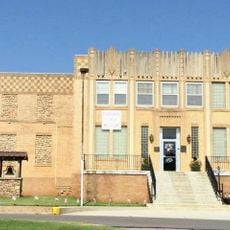
Page Soddy, Sod house in Buffalo, United States.
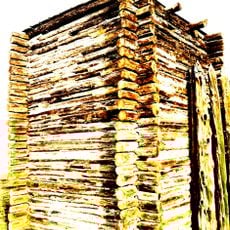
Page Soddy is a house built from grass and soil with an unusual shingled roof instead of the traditional flat grass covering. The thick walls are made of compressed sod layers stacked together to create a solid building material.
The structure was built in 1902 during the settlement of the Cherokee Outlet region and was listed on the National Register of Historic Places in 1983. It remains as one of the few original examples of sod construction that survived in the area.
The structure shows how early settlers used readily available local materials to build homes and adapted to their harsh surroundings. This approach reflects the resourcefulness of pioneers who had to manage without modern technology or imported goods.
The thick sod walls provide natural insulation that keeps indoor temperatures stable throughout the year. Understanding this natural temperature control helps visitors see why this building style was effective for settlers despite its simplicity.
Of hundreds of original sod buildings in the Cherokee Outlet region, only two remain in Harper County. Page Soddy is therefore a rare surviving example of this construction method and shows how easily such structures were lost over generations.
The community of curious travelers
AroundUs brings together thousands of curated places, local tips, and hidden gems, enriched daily by 92,778 contributors worldwide.