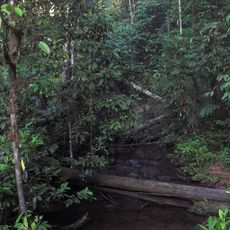
Cabo Orange National Park, National park and Ramsar site in Amapá, Brazil
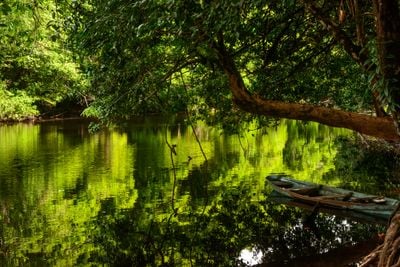
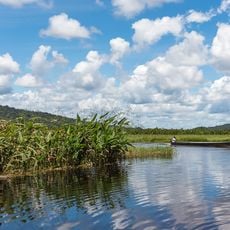
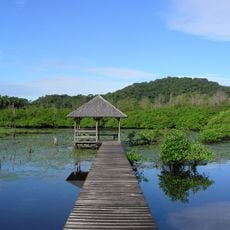
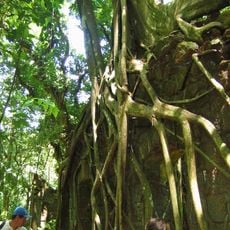
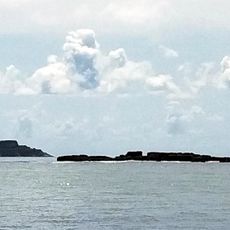
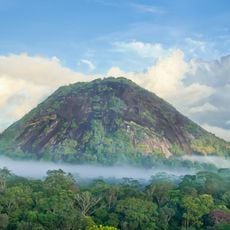
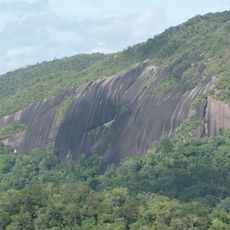
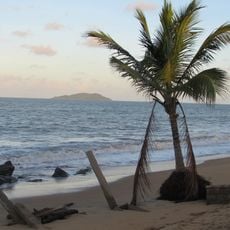
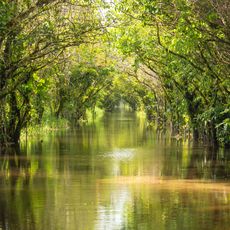
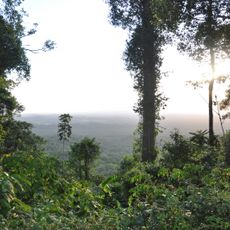
Cabo Orange National Park covers 657,318 hectares in Amapá, from the Atlantic coast to the French Guiana border. It is the only national park in the Brazilian rainforest on the coastline, combining mangroves, flooded fields, fluvial marine forests and terra firme. The mangrove trees siriúba, red mangrove and yellow mangrove grow where seawater salinity selects the vegetation.
The Brazilian government established this park in 1980 to protect the coastal and wetland areas from destruction. Since then it became an important protected area for the region's wildlife and plants.
Local fishing communities living in these waters carry on traditional practices and work together with authorities to use resources sustainably. This lived relationship between people and nature shapes daily life in the park.
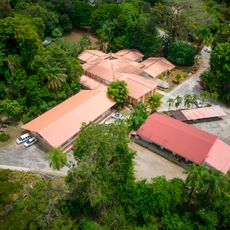
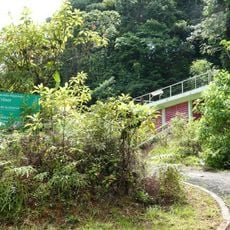
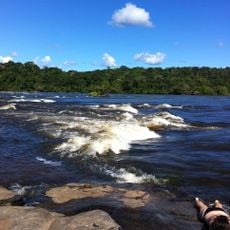
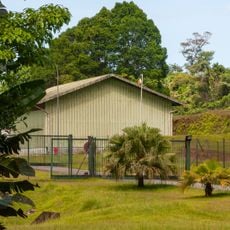
Visiting requires an authorization issued by the park's management, and there is no tourism infrastructure. The driest window runs from August to December, when roads in the surrounding area are passable; Oiapoque has hotels and restaurants, Calçoene has few. Boat, canoe and launch trips leave from the Cassiporé, Cunani, Uaçá and Oiapoque rivers.
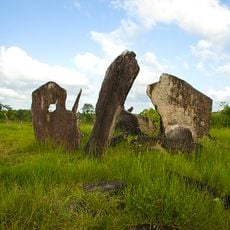
The park protects a 10 km wide by 200 km long marine strip of mangrove, the only stretch of rainforest coastline in Brazil. Its name comes from a Dutch tribute to the House of Orange, whose colour marks the country. The Cunani community in the far south recalls the short-lived Republic of Cunani.
The community of curious travelers
AroundUs brings together thousands of curated places, local tips, and hidden gems, enriched daily by 92,828 contributors worldwide.