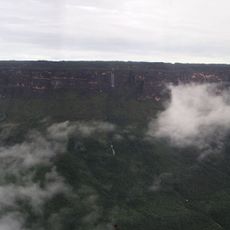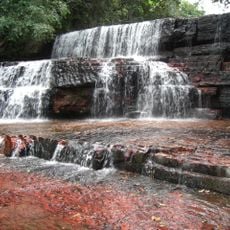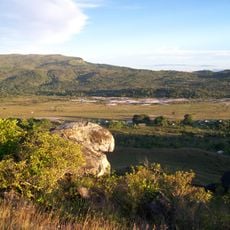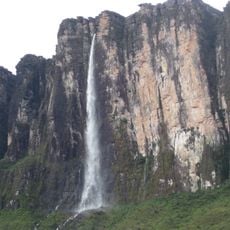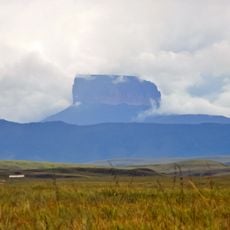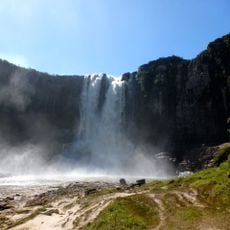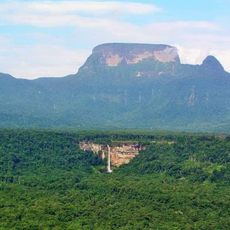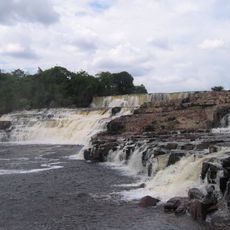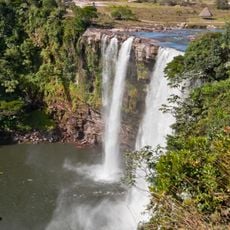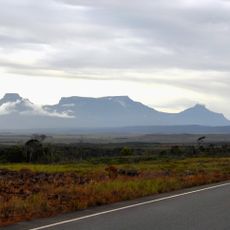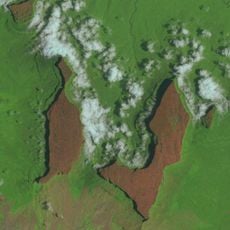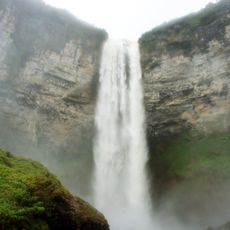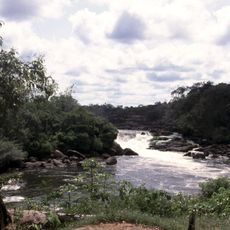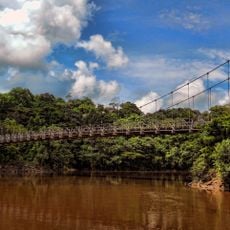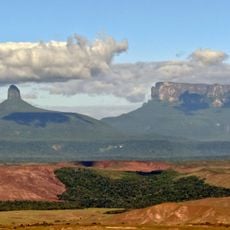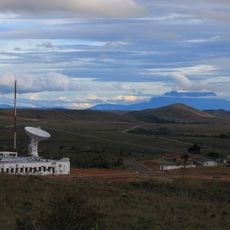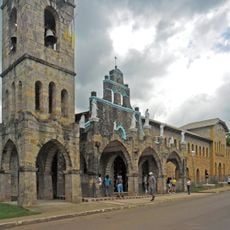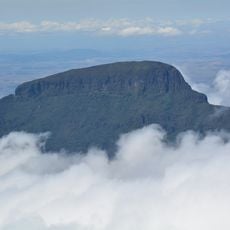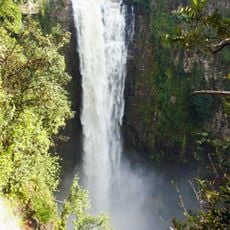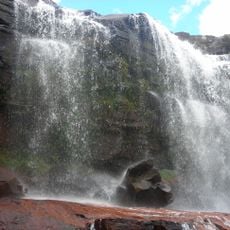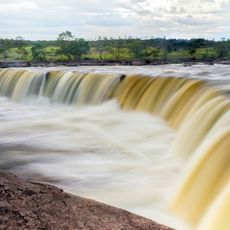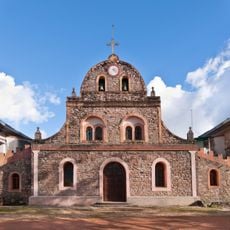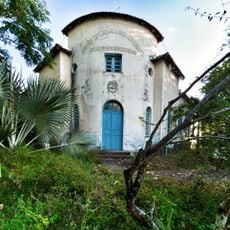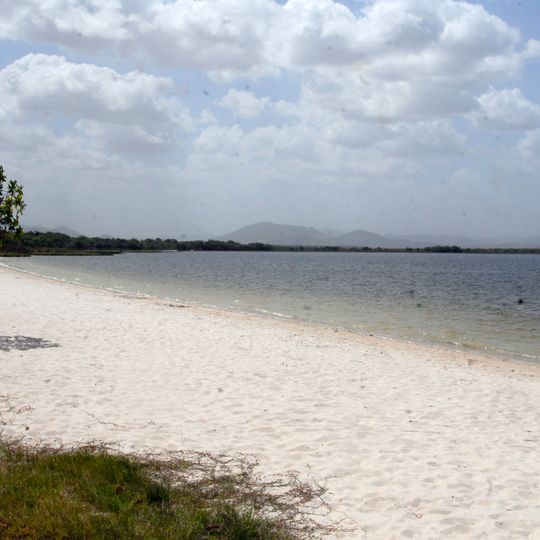
Raposa Serra do Sol, Indigenous territory in Uiramutã, Brazil.
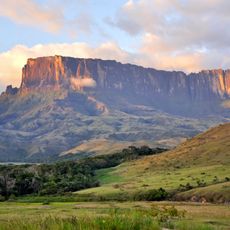
Raposa Serra do Sol is an expansive indigenous territory in northern Roraima that spans mountains, forests, and open grassland. The region borders Venezuela and Guyana and is home to more than 20,000 residents from five different indigenous groups.
Land demarcation for the territory began in 1993 and was officially recognized as indigenous land by presidential decree in 2005. This recognition followed years of negotiation and legal processes to secure the rights and ownership of the resident groups.
The five indigenous groups living here—Macushi, Wapixana, Ingarikó, Taurepang, and Patamona—speak distinct languages and maintain their own rituals and crafts. Visitors can observe these different cultural practices in settlements and during daily community activities.
The territory is managed and protected by the Fundação Nacional do Índio to uphold resident rights and environmental conservation. Visitors should understand that access and activities are subject to local rules and permits from the indigenous communities.
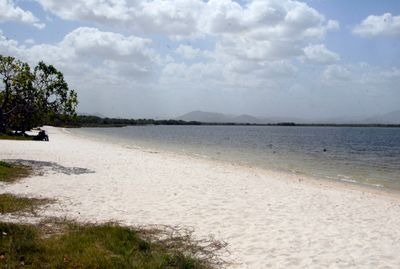
Lake Caracaranã holds deep spiritual significance for the Macushi people and represents a place of special meaning in their connection to the land. The lake is also an important site for local ecology and traditional resource use.
The community of curious travelers
AroundUs brings together thousands of curated places, local tips, and hidden gems, enriched daily by 92,382 contributors worldwide.