Machetá, Colombian municipality of the department of Cundinamarca
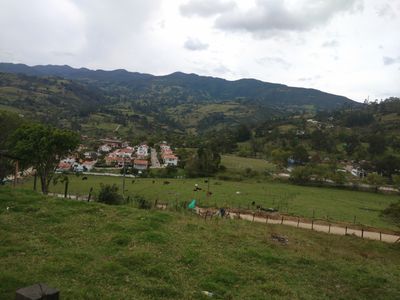
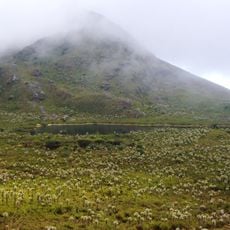
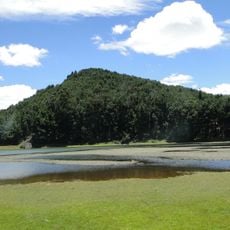
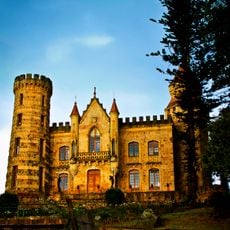
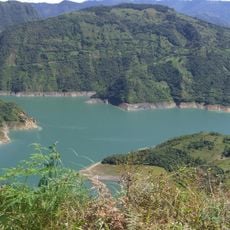
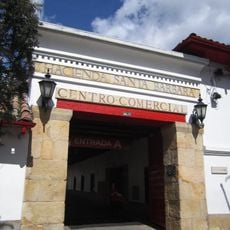
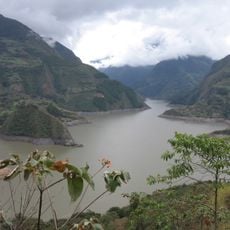
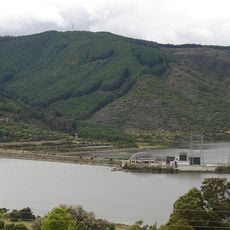
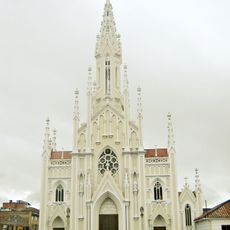
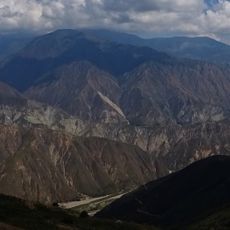
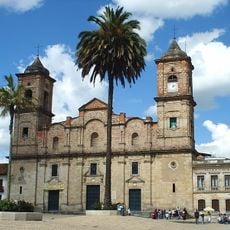
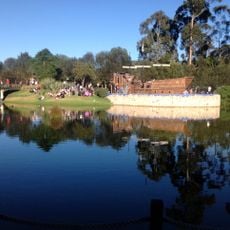
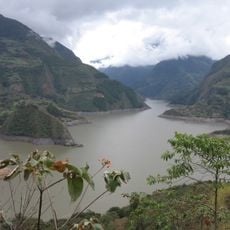
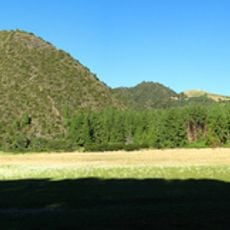
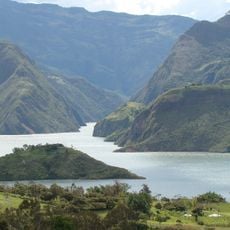
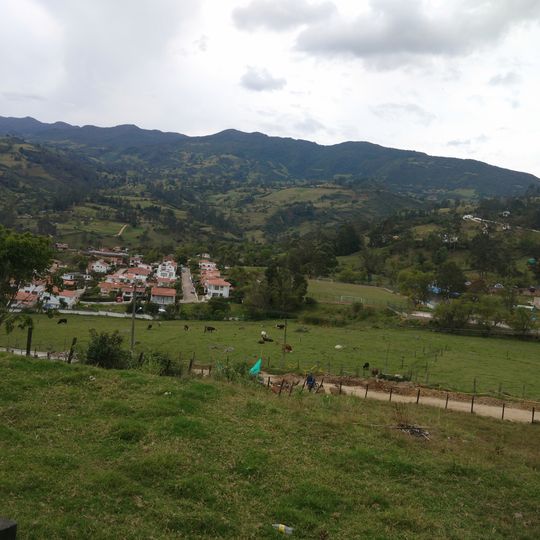
Machetá is a small town nestled in the mountains of Cundinamarca at about 2500 meters elevation, surrounded by forested hills and crossed by streams. The settlement features narrow streets lined with modest houses, local shops, and the central San Antonio de Padua church, which anchors community life.
Machetá was officially founded in 1537 by Gonzalo Jiménez de Quesada, after the Muisca peoples had cultivated the land for centuries. The town later became a center for rebel groups during Colombia's struggles for independence, a history that residents still recall with pride.
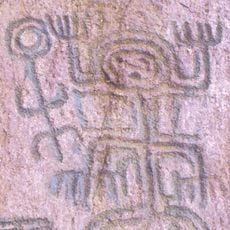
The name Machetá comes from the Muisca language and means "honorable fields of cultivation," reflecting the deep connection between the people and farming. The town keeps these traditions alive through local crafts like woven textiles and carved wooden figures, which are passed down through generations and sold in community markets.
The town lies about 90 kilometers from Bogotá and is reachable by car in about two hours. It offers lodging options in basic accommodations like Posada Campestre Mirador Calopala and local restaurants serving traditional Colombian food.
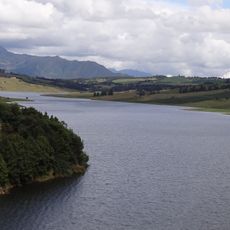
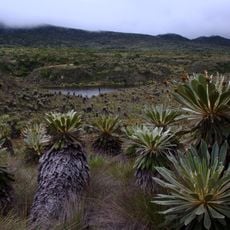
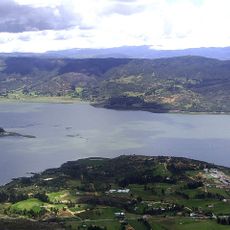
The area is deeply connected to the legend of El Dorado, the fabled lost treasure that explorers searched for over centuries. Lakes like Laguna del Cerro are linked to this treasure story, and visitors come partly hoping to explore these mysterious waters and their secrets.
The community of curious travelers
AroundUs brings together thousands of curated places, local tips, and hidden gems, enriched daily by 60,000 contributors worldwide.