Bandung Sea of Fire, Historical event site in Bandung City, Indonesia
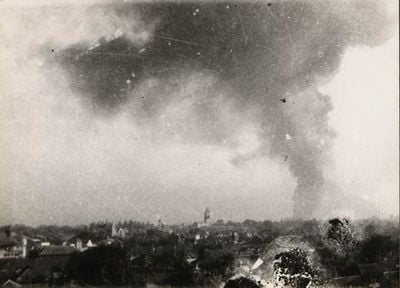
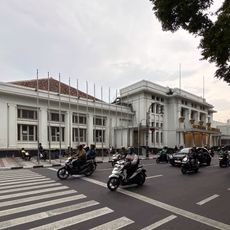
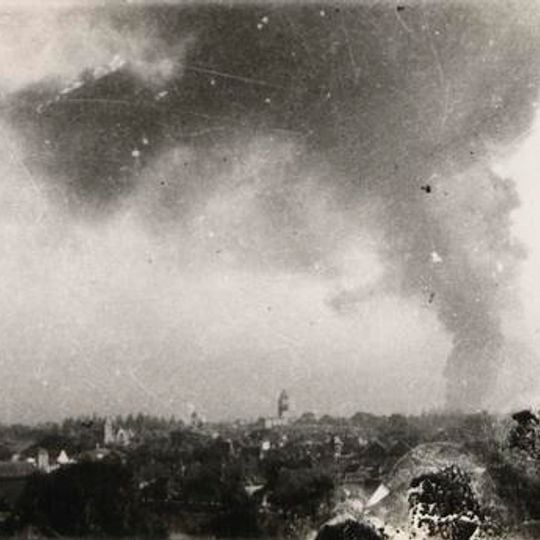
Bandung Sea of Fire refers to an event in March 1946 when Indonesian forces deliberately set large sections of southern Bandung ablaze. The destruction swept through residential neighborhoods, streets, and public buildings across a wide urban area, reducing much of the city to smoldering ruins.
Indonesian troops decided to burn their own neighborhoods after British occupation forces demanded evacuation of southern Bandung during the independence struggle. The action aimed to deny the British any usable infrastructure and became a symbol of resistance against colonial control.
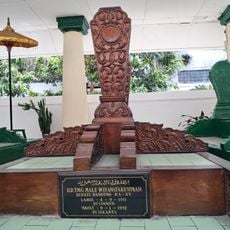
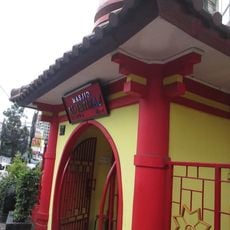
Visitors can see monuments and memorial stones scattered across southern Bandung, marking sites where neighborhoods were burned during the 1946 event. Local communities gather at these locations on national holidays, with students and residents attending ceremonies that keep the memory of resistance alive through speeches, wreath-laying, and patriotic songs.
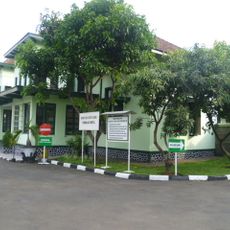
Several commemorative plaques and information panels are spread throughout southern Bandung, marking sites connected to the destruction. Visitors can explore these locations on foot or by vehicle, and a local guide can help interpret the significance of each site.
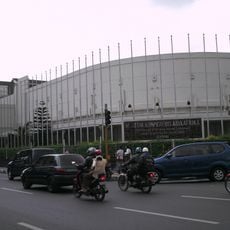
The scorched earth tactic affected roughly two-thirds of southern Bandung, leaving smoking debris that inspired the name Lautan Api, meaning Sea of Fire. The Gelora Bandung Lautan Api stadium still carries this name today, honoring the resolve shown by residents during that March night.
The community of curious travelers
AroundUs brings together thousands of curated places, local tips, and hidden gems, enriched daily by 92,291 contributors worldwide.