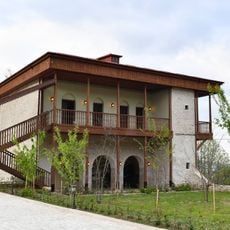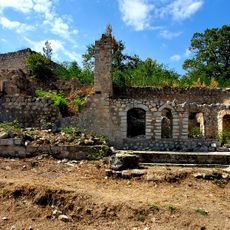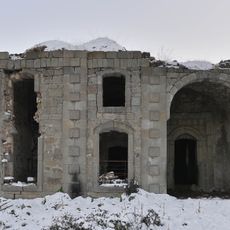
Katarovank, Armenian monastery in Khojavend District, Azerbaijan
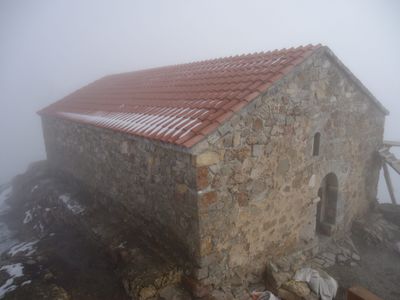
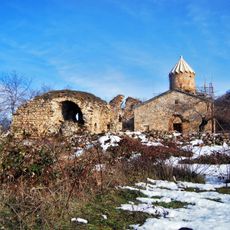
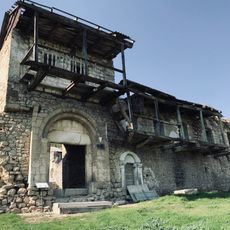
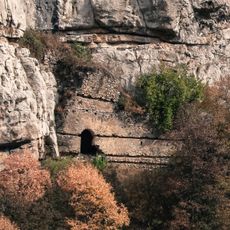
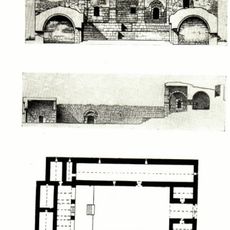
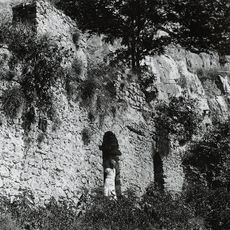
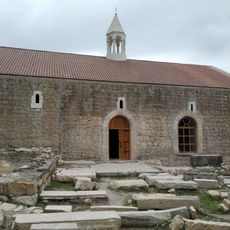
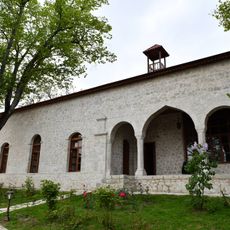
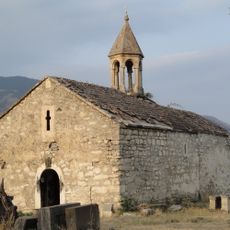
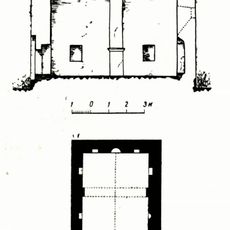
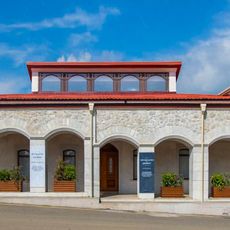
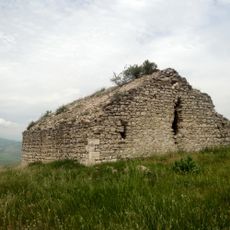
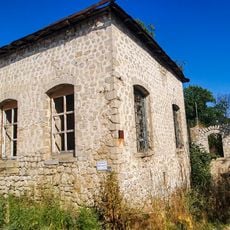
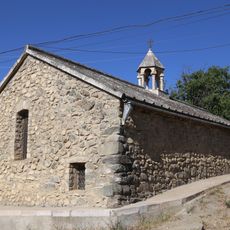
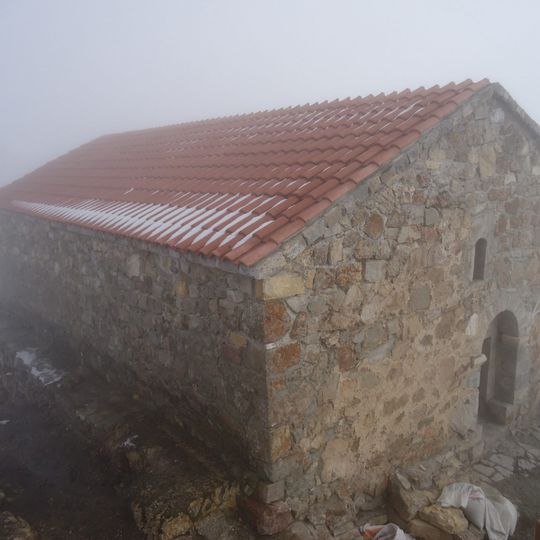
Katarovank is an Armenian monastery built from coarse-cut sandstone perched on Dizapayt Mountain at 1,700 meters elevation with a single-nave basilica where one side integrates directly into the rocky terrain. The structure adapts to the mountainous slope, creating an asymmetrical ground-level design shaped by the natural landscape.
The monastery was established during the early Christian period as one of many Armenian religious sites that developed in this mountainous region. According to historian Pavstos Buzand, a tragic event occurred in 335 when King Sanesan executed the residents during a military campaign.
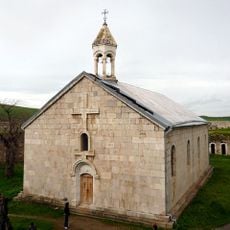
The complex displays traditional Armenian khachkars near the chapel, which reflect local religious practices from the early Christian period in the Caucasus region. These carved stone crosses remain central to how people experience the place spiritually.
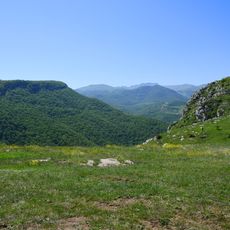
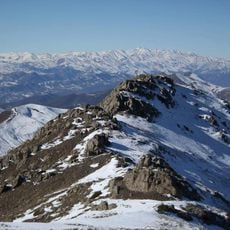
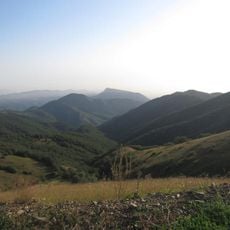
The location on the mountain provides wide views across the surrounding plains and the Aras River, making it a natural vantage point. Visitors should be prepared for steep terrain and wear sturdy shoes, as accessing the site requires some effort.
The monastery was built using coarse-cut gray sandstone quarried locally, with builders adapting to the difficult mountain terrain through asymmetrical rooms and creative construction methods. This integration with the rocky landscape makes the building an example of practical architectural problem-solving from its era.
The community of curious travelers
AroundUs brings together thousands of curated places, local tips, and hidden gems, enriched daily by 91,632 contributors worldwide.