Sarafova mound, Archaeological site in Kran, Bulgaria.
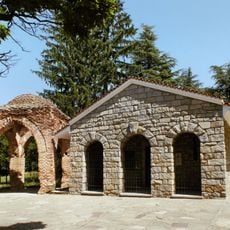
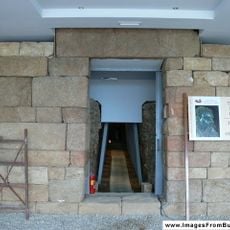
Sarafova mound is an archaeological site in Bulgaria featuring an underground burial structure with exceptional construction. The complex includes a corridor and two rectangular rooms built from precisely cut stone blocks and quality bricks made in ancient times.
Georgi Kitov's TEMP expedition excavated the mound in September 1995, naming the structure Kran II. The finds belong to the last burial and date to the end of the 4th century BC; the tomb itself was probably built a few decades earlier. Kitov linked the emptied chamber to the Macedonian campaigns against the Odrysians or the start of the Celtic invasion of Thrace after the second decade of the 3rd century BC.
The tomb walls display painted patterns with horizontal stripes in white, black, red, orange, and yellow, reflecting how ancient Thracian artists decorated burial spaces. These colorful bands were part of ritual practices and show how much care people invested in preparing these sacred rooms.
The mound lies 400 m north of Kran and 4.3 km from Kazanlak, 1 km east of Republican Road I-5 on the Kran–Shipka stretch. The entrance to the central chamber was found sealed with a massive stone door, so the interior is not freely open; visits depend on access arrangements. The site is in open ground with no facilities nearby.
Georgi Kitov's team found the entrance sealed by a massive stone door with a smooth face and a coffered back, its right edge held by two cylindrical pins set in iron and lead. The door still hung on its corroded iron ring after opening, yet the chamber held almost no grave goods — only silver-gilt handle appliqués, gilded clay rosettes and gold scales. Kitov suggested the valuables were removed to pay for weapons, mercenaries or ransom.
The community of curious travelers
AroundUs brings together thousands of curated places, local tips, and hidden gems, enriched daily by 93,997 contributors worldwide.