Rila Water Pipeline, Water pipeline and cascade system near Sofia, Bulgaria
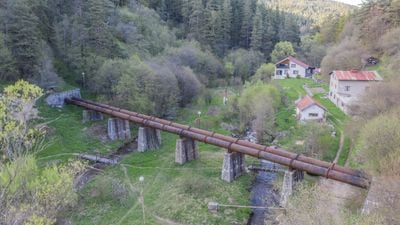
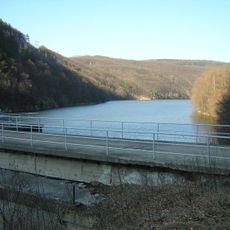
The Rila Water Pipeline runs 67.2 km from the intake on the Beli Iskar River at 1,524 m to the Lozenets reservoir in Sofia. It combines 16.1 km of tunnels, 23 km of covered concrete channels and 14.1 km of siphons and pressure pipes. Its longest tunnel, No. 20, is 3,558 m, and its longest siphon crosses the Palakaria valley over 9.2 km.
Engineer Hristo Tanev first raised the idea of supplying Sofia from Rila in 1905, but work advanced only after 1919, when Ivan Ivanov proposed a route via Bistritsa and Zheleznitsa. The city council approved the project on 5 August 1924. German firm Grün & Bilfinger built the first section (1925–1926), and Italian company Società Generale per Costruzioni the second (1928–1932), with tunnel No. 20 holed through on 23 May 1931. The completed pipeline was inaugurated on 23 May 1933.
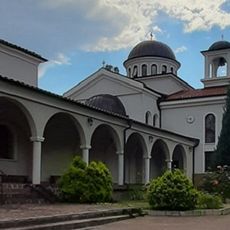
The route from Zheleznitsa to Simeonovo follows a covered canal with a walking path named after engineer Ivan Ivanov, one of the two designers of the pipeline. The water ends in the Lozenets reservoir behind the Sofia Theological Seminary, from where it is distributed across the city. The intake on the Selcha river above Zheleznitsa is no longer active.
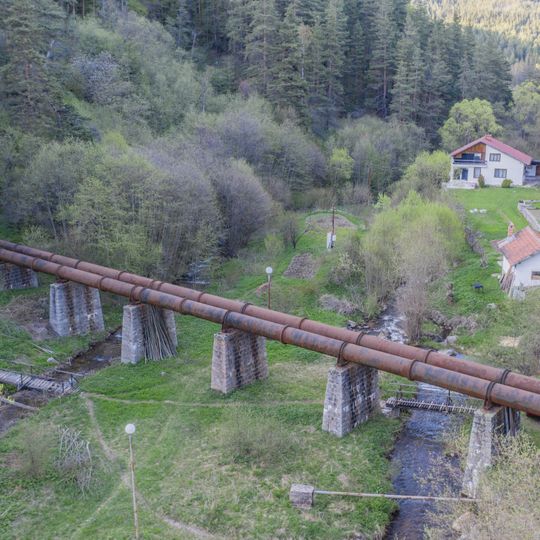
The pipeline can be viewed from several points along its mountain route, especially where it crosses rivers. Early morning visits offer better light and fewer crowds for observation and photography.
The system uses siphon crossings to pass beneath rivers without interrupting water flow. This engineering solution allows water to travel downward under the river and rise up on the opposite bank.
The community of curious travelers
AroundUs brings together thousands of curated places, local tips, and hidden gems, enriched daily by 93,998 contributors worldwide.