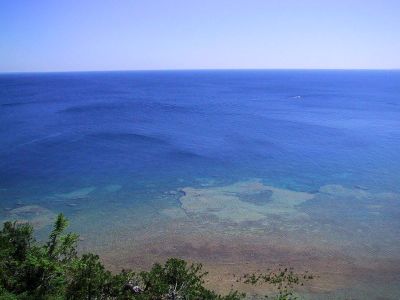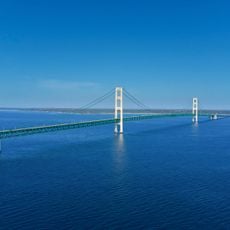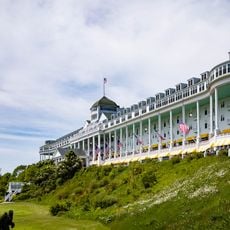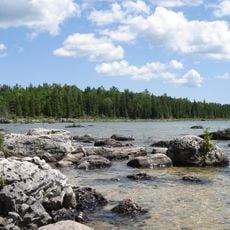
Lake Huron, Freshwater lake in Michigan and Ontario, North America.
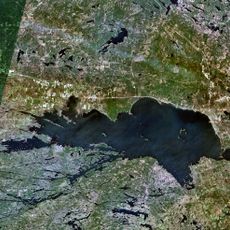
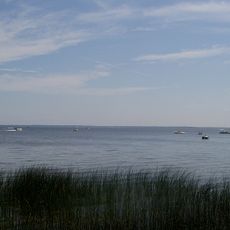
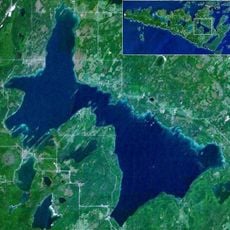
Lake Huron is one of the five Great Lakes, shared by Ontario and Michigan. It covers 59,570 square kilometres, reaches a maximum depth of 229 metres and holds Manitoulin Island, the world's largest lake island. Its two arms enclose Georgian Bay to the northeast and Saginaw Bay to the southwest.
French explorers reached the water in 1615 and gave it a name after the indigenous people of the area. During the 19th century it became a major route for steamships and cargo vessels moving between western settlements and eastern ports.
The name derives from early French explorers who named the lake for the indigenous people they called Huron, now usually known as Wendat. A 1656 map by cartographer Nicolas Sanson labels it Karegnondi, a Wyandot word translated variously as "Sea of Fresh Water" or "lake of the Hurons."
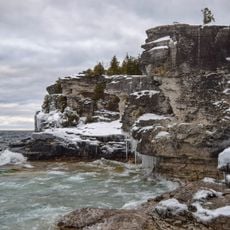
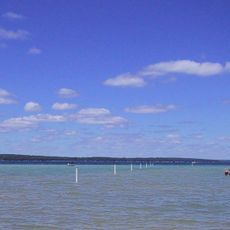
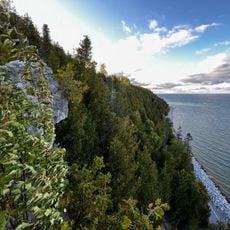
Visitors find access to sand beaches, walking trails and picnic areas along the coast, with summer being the most popular time to travel. Water temperatures remain cool, so swimming is more comfortable during high summer.
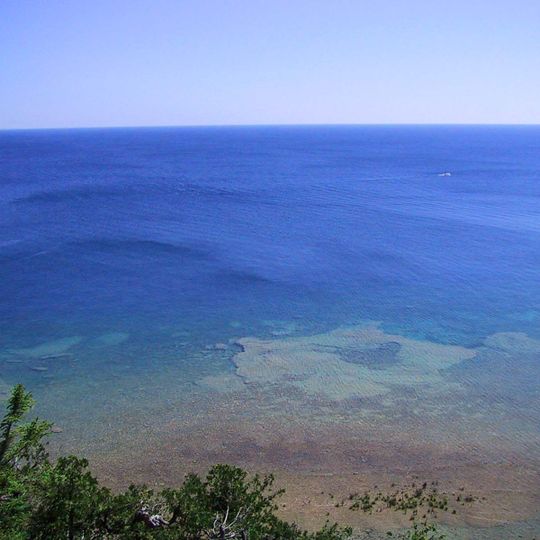
A protected area off the coast preserves numerous shipwrecks resting on the bottom, accessible to divers. These sunken vessels tell stories of navigation dangers in earlier centuries.
The community of curious travelers
AroundUs brings together thousands of curated places, local tips, and hidden gems, enriched daily by 92,334 contributors worldwide.