Thousand Islands National Park, National park in Ontario, Canada
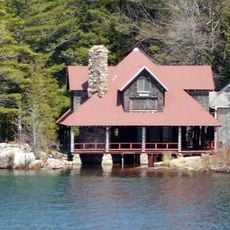
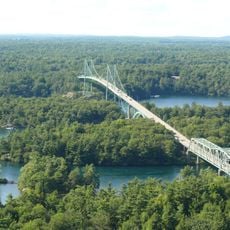
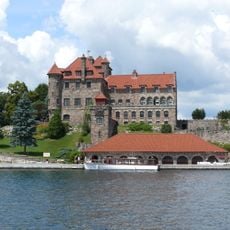
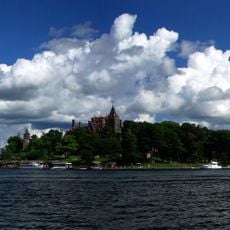
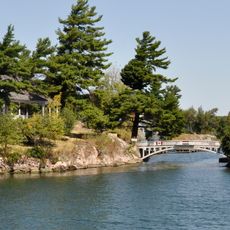
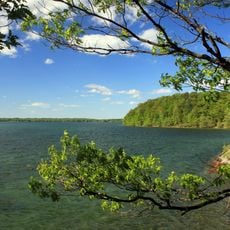
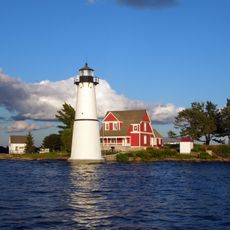
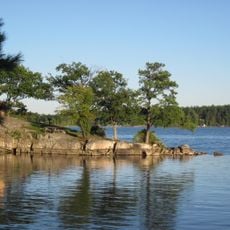
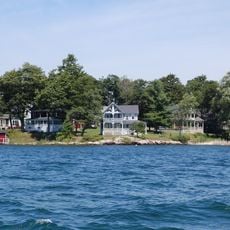
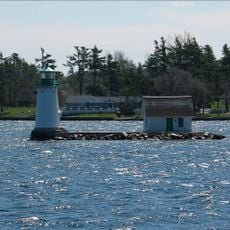
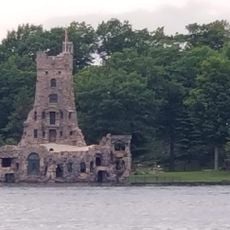
Thousand Islands National Park consists of approximately 21 islands and numerous smaller islets scattered across the Saint Lawrence River, creating a landscape of exposed granite bedrock and wooded terrain. The granite outcrops rise from the water at different heights, with islands ranging from bare rock to densely forested areas.
Indigenous peoples inhabited these waters for thousands of years before the park was officially established in 1904 as one of Canada's earliest national parks. This early protection marked a turning point in recognizing the need to safeguard the region's natural landscape.
The waterways here held deep meaning for the Haudenosaunee and Mississauga Anishinaabe peoples, who relied on these passages for food and travel. Visitors walking or boating through the islands can sense the connection between the land, water, and the people who shaped its history.
Most areas of the park require boat access, with Mallorytown Landing Visitor Center serving as the main launching point that offers rentals and information. Water conditions on the river change with the seasons, so checking the weather and water levels before heading out helps ensure a safe visit.
The islands represent exposed peaks of an ancient mountain range that forms part of the Frontenac Axis, a geological bridge connecting the Canadian Shield to the Adirondack Mountains. This rare geological connection creates a distinct landscape where two major bedrock regions meet.
The community of curious travelers
AroundUs brings together thousands of curated places, local tips, and hidden gems, enriched daily by 60,000 contributors worldwide.