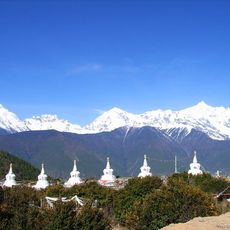
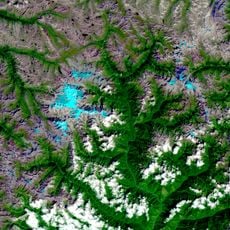
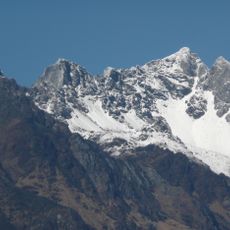
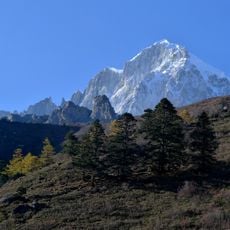
Kawagarbo, Sacred mountain summit at Yunnan-Tibet border, China.
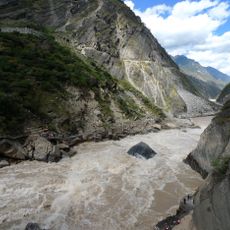
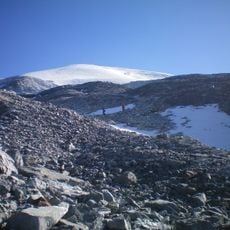
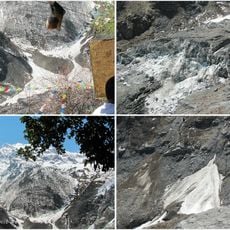
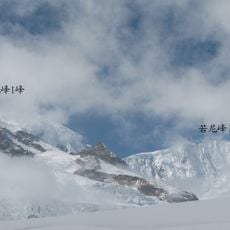
Kawagarbo is the 6,740-meter summit that forms the highest point in Yunnan, on the border with the Tibet Autonomous Region. It is the main peak of the Meili Snow Mountain range, a name that arose from a 1950s Chinese army mapping error that applied the Tibetan name Menri to a larger area. The massif holds over 20 permanently snow-covered peaks, six of them above 6,000 meters, and the Mingyong Glacier descends from the summit's east face toward the Mekong valley.
The name Kawagarbo appears in writing as early as the 14th century, in a burnt-offering text to the sacred site by the Karma Kagyu lama Karma Rangjung Dorje (1284–1339). The area around the peak has been part of Yunnan since the 1720s, when the early Qing dynasty fixed the border with Tibet. In 2001 the local people's congress banned all climbing on the mountain.
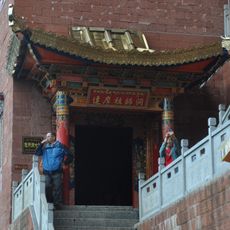
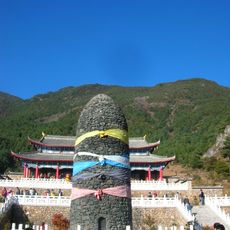
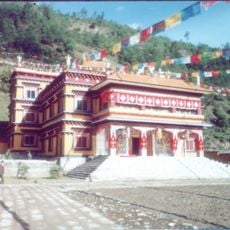
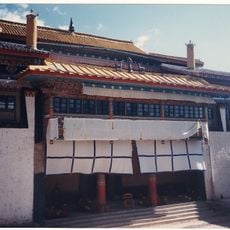
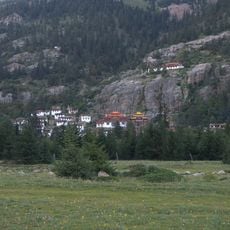
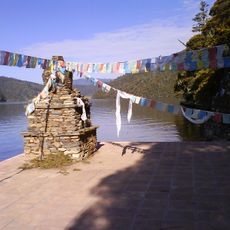
The mountain holds deep spiritual meaning in Tibetan Buddhism, with followers traveling through the surrounding area to express their devotion. The region reflects how local communities integrate their religious beliefs into their relationship with the natural landscape.
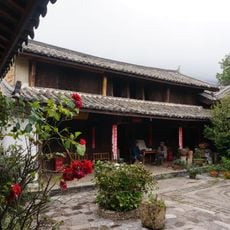
The nearest settlement is Shengping, located about 20 kilometers to the east, serving as the main base for visitors exploring the area. Access requires preparation for high altitude and remote terrain conditions.
Climbing has been prohibited since 2001, preserving the mountain's status as an unclimbed summit. Local authorities maintain this restriction out of respect for the religious and cultural beliefs of the region.
The community of curious travelers
AroundUs brings together thousands of curated places, local tips, and hidden gems, enriched daily by 92,783 contributors worldwide.