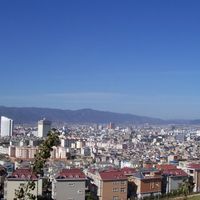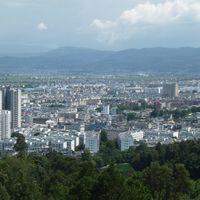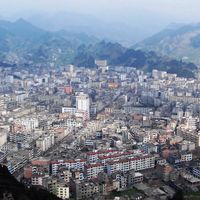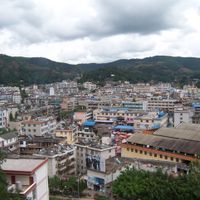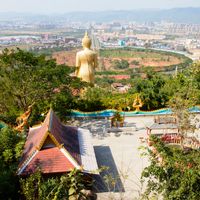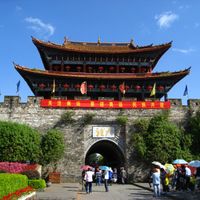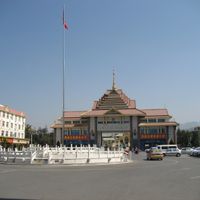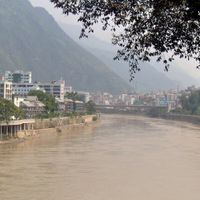
Yunnan, Province in southwestern China.
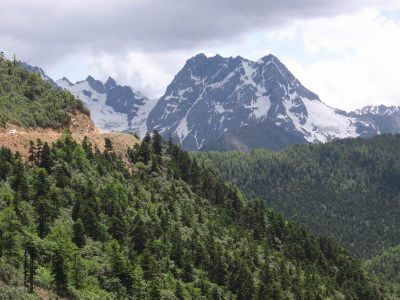
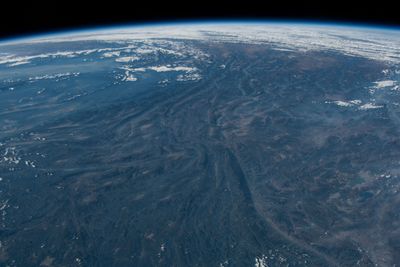
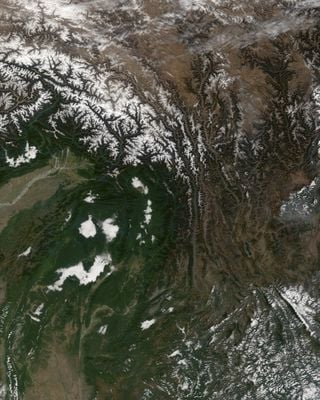
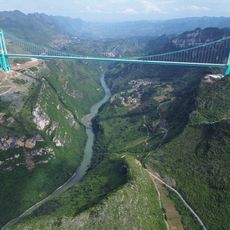
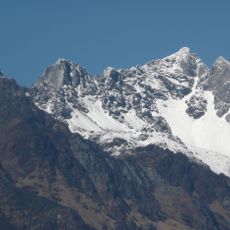
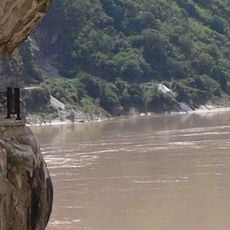
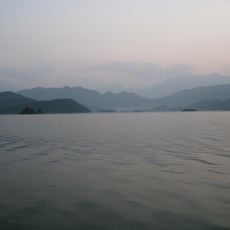
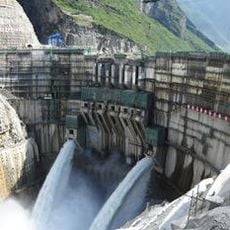
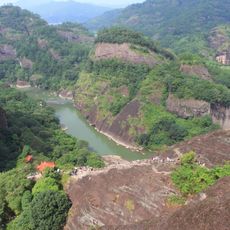
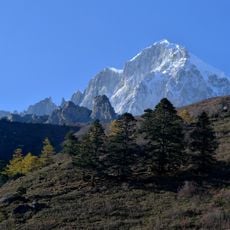
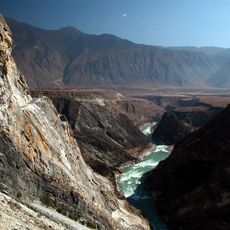
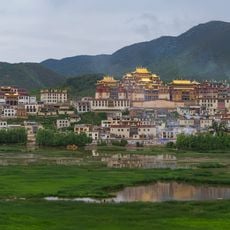
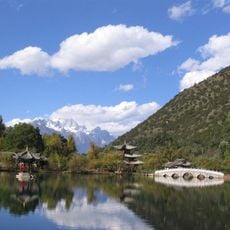
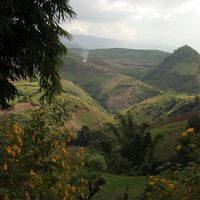
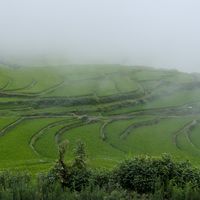
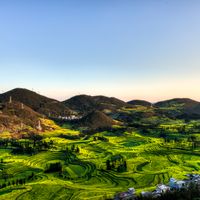
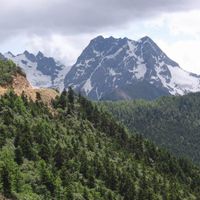
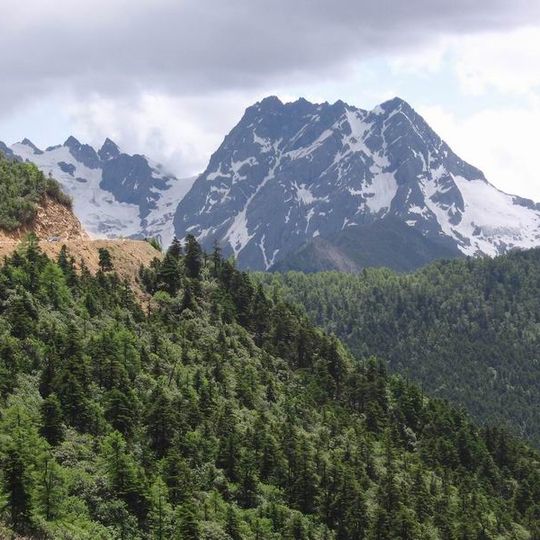
The region covers 394,000 square kilometers and includes mountain ranges, plateaus, and river valleys between Tibet, Myanmar, Vietnam, and Laos. The terrain rises from tropical lowlands in the south to snowcapped peaks in the northwest, with several major rivers running parallel through deep gorges.
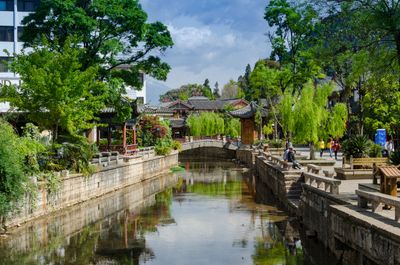
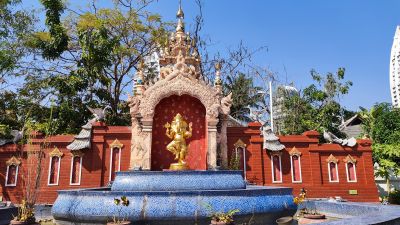
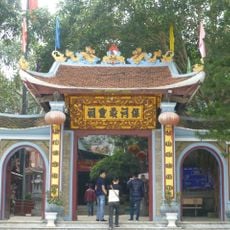
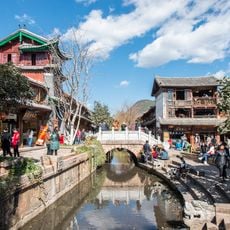
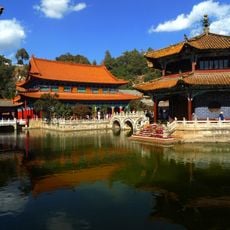
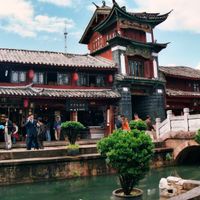
During World War II, the area served as a critical supply route through the Burma Road and hosted the Flying Tigers squadron. For centuries it functioned as a crossroads between Chinese empires and Southeast Asian kingdoms, which remains visible in old trade routes and temples.
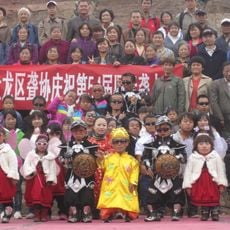
Twenty-five ethnic communities live throughout the region, each keeping their own languages, festivals, and clothing styles that travelers encounter at markets and village celebrations. Many communities practice traditional crafts such as batik dyeing, silver metalwork, and tea ceremonies, which remain part of daily routines.
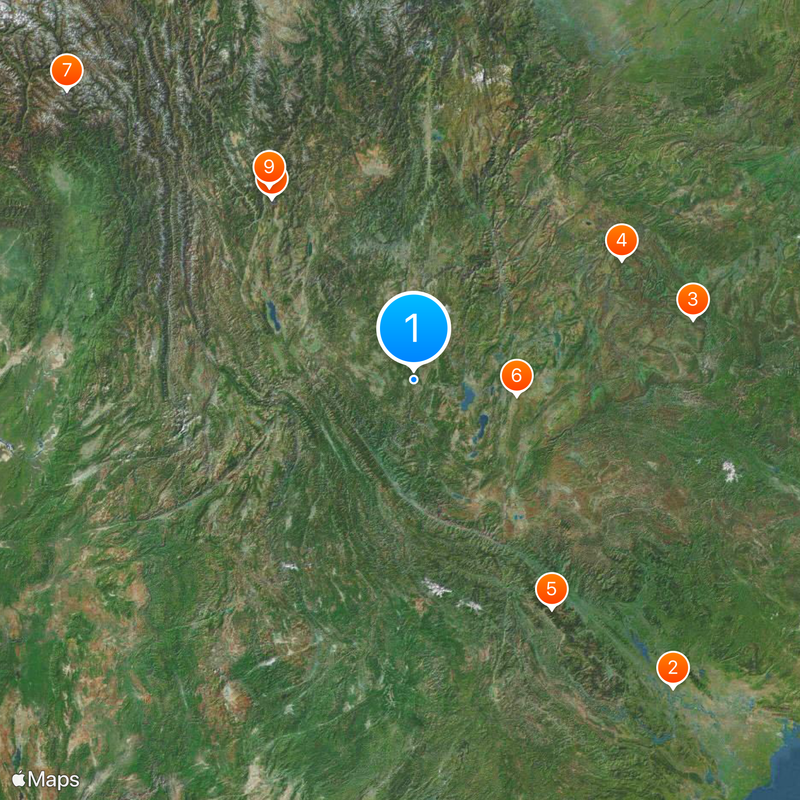
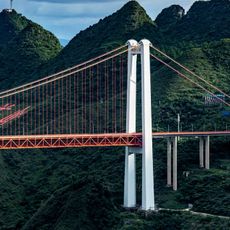
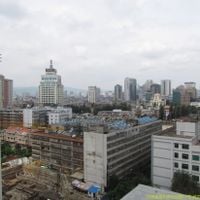
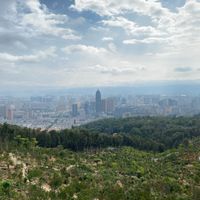
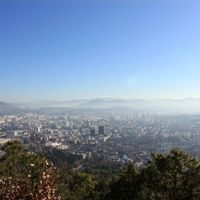
Several airports, railway lines, and highways link the capital Kunming to Southeast Asian countries and other Chinese provinces. The climate varies greatly by elevation, so travelers should prepare for different conditions, from tropical heat to alpine cold.
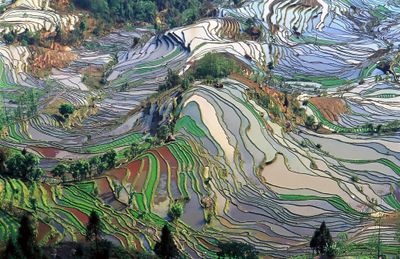
The territory hosts 17,000 plant species and produces many tea varieties, including the fermented Pu-erh tea from ancient cultivation methods. Some villages still maintain living root bridges, where tree roots have been shaped over decades into load-bearing crossings over rivers.
The community of curious travelers
AroundUs brings together thousands of curated places, local tips, and hidden gems, enriched daily by 90,830 contributors worldwide.