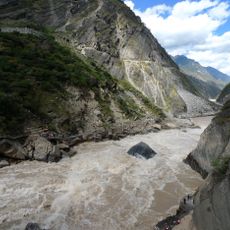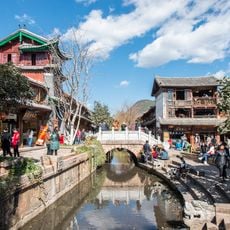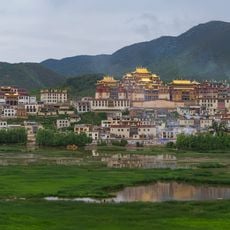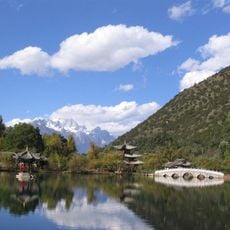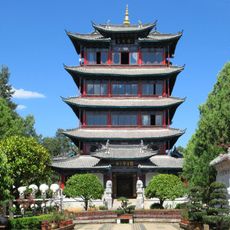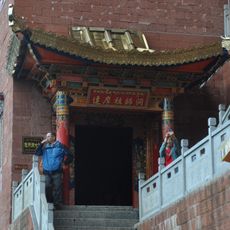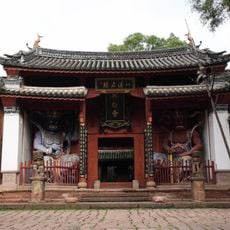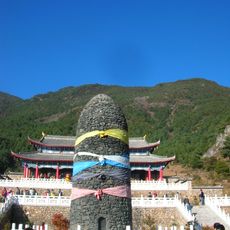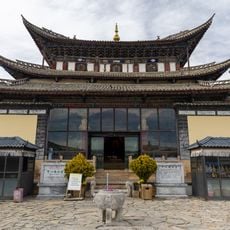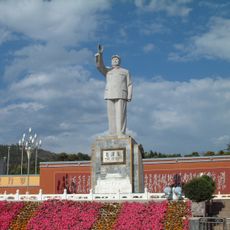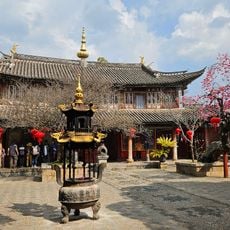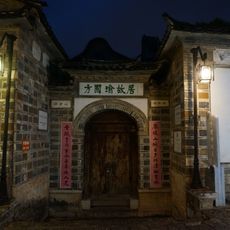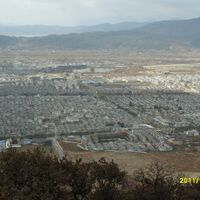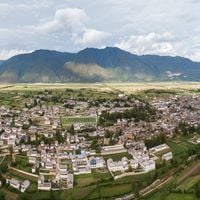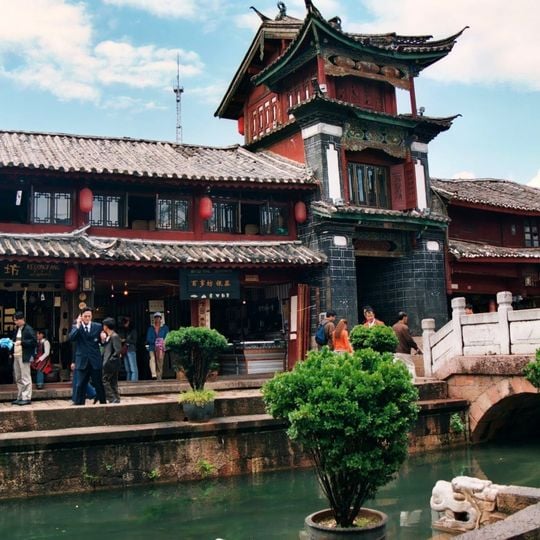
Lijiang, UNESCO World Heritage site in Yunnan, China.
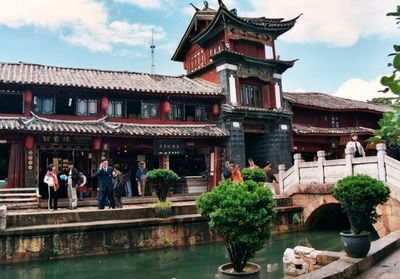
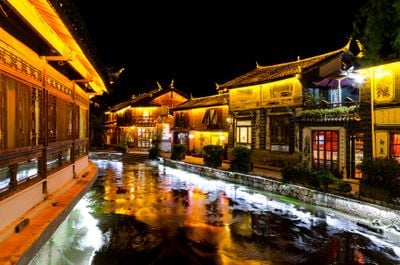
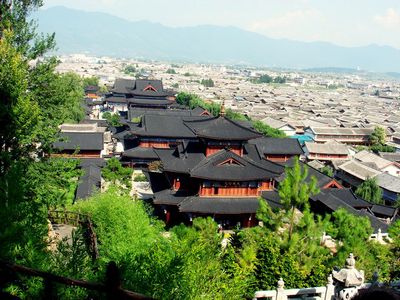
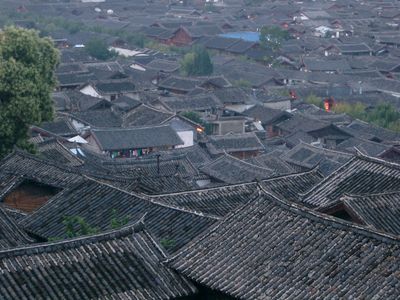
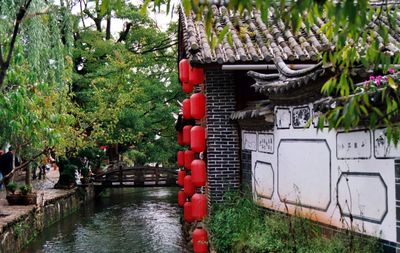
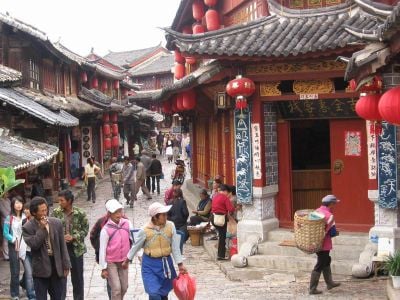
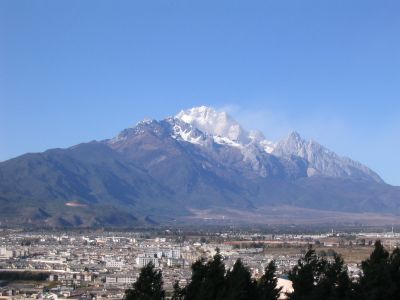
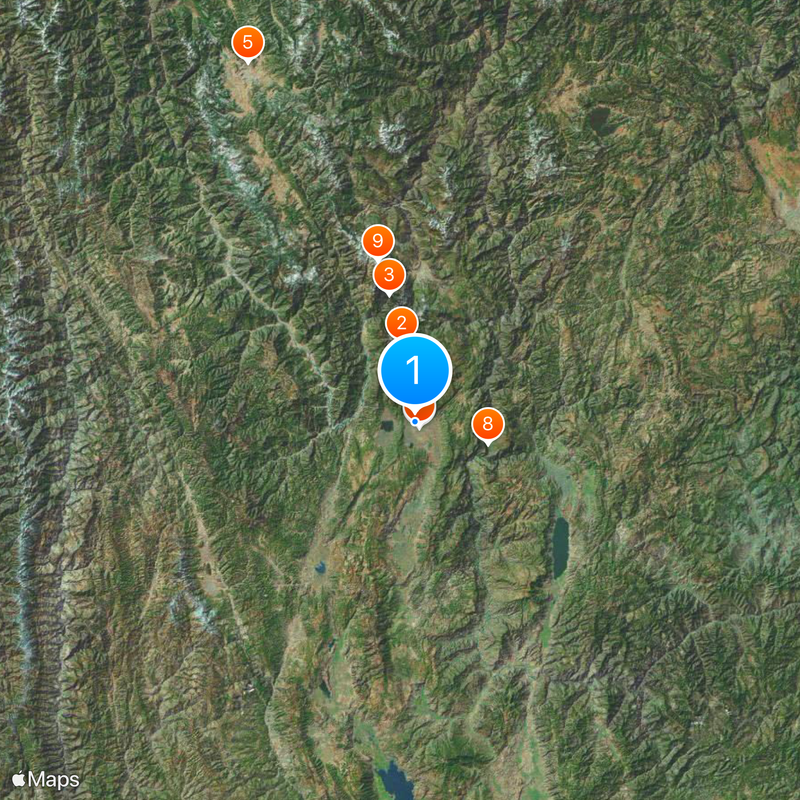
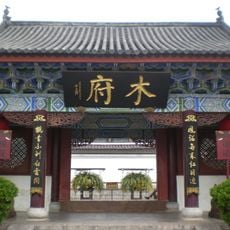
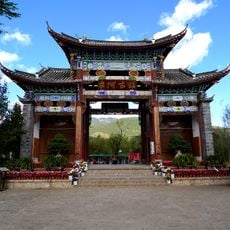
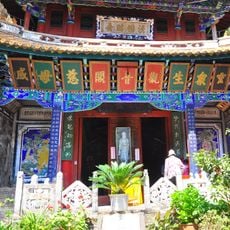
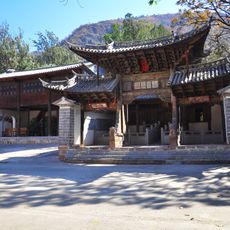
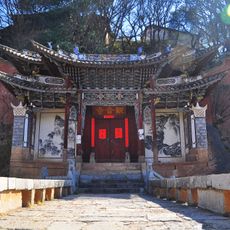
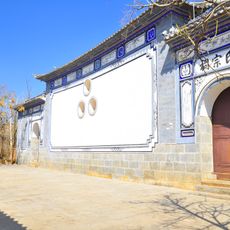
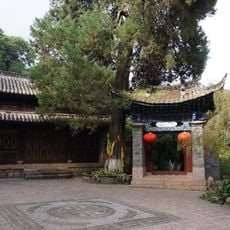
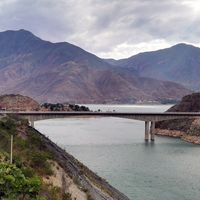
Lijiang is a prefecture-level city in southwestern Yunnan province, covering several districts and surrounded by snow-covered mountain ranges. The old town core contains around 350 streets and lanes connected by open waterways and lined with traditional wooden houses featuring curved roofs.
The settlement grew into a major trading point from the 13th century, when caravans exchanged tea, horses, and salt between Tibet and the eastern provinces. An earthquake in 1996 damaged many buildings but led to international restoration efforts that later earned the site World Heritage status.
The Naxi residents preserve their Dongba script, one of the last pictographic writing systems in the world, still visible on paper and wooden tablets today. In teahouses and small squares, older musicians perform traditional melodies passed down orally across centuries.
Visitors should prepare for cooler temperatures and thinner air, as the old town sits at around 2,400 meters (7,875 feet) above sea level. The pathways are mostly paved and cross small bridges, so comfortable shoes help navigate the many stairs and uneven surfaces.
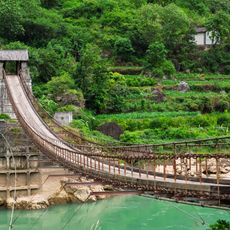
Unlike other Chinese cities from the same period, this place did not build defensive walls and relied on the natural protection of surrounding mountains. The water system includes over 300 bridges, all using wood, stone, or combined materials in different ways.
The community of curious travelers
AroundUs brings together thousands of curated places, local tips, and hidden gems, enriched daily by 91,380 contributors worldwide.