South China Karst, Karst formations in southern China
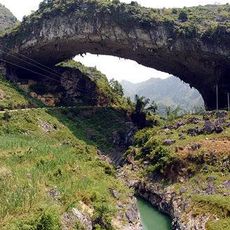
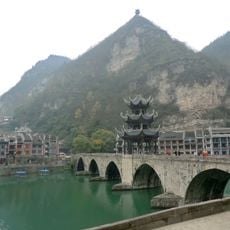
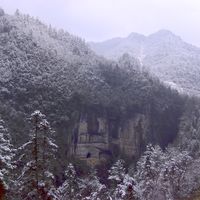
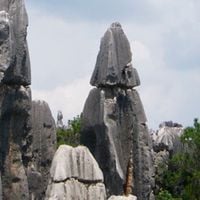
The South China Karst is a serial World Heritage property of seven karst clusters in Chongqing, Guangxi, Guizhou and Yunnan, covering 97,125 hectares. It protects tower karst (fenglin), pinnacle karst (shilin) and cone karst (fengcong), plus giant dolines, gorges and caves with speleothem deposits. At Shilin, Permian limestone has dissolved into pillars up to 30 m tall; at Shibing, dolomite columns rise above deep gorges.
The site gained UNESCO World Heritage recognition in two phases, first in 2007 for several clusters and again in 2014 when more areas were added. This designation acknowledged the rare natural formations and their importance to understanding how karst landscapes develop around the world.
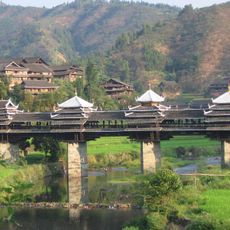
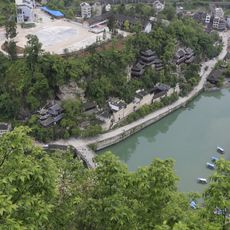
The Yi, Shui, and Miao communities live within this landscape and use farming methods that work with the steep terrain and rocky ground. You can see their villages nestled in valleys between the limestone formations, where daily life follows rhythms shaped by the natural features around them.
You can reach this area most easily through major cities like Guilin and Kunming, where tours depart for popular sections such as the Stone Forest and Li River. Plan ahead to visit specific areas that interest you most, as locations are spread out and each deserves time to explore on foot.
The Shilin cluster's pinnacle karst, or shilin, is one of three landform styles for which the region is the world's type-site, alongside fenglin tower karst and fengcong cone karst. The pillars at Shilin, up to 30 m high, formed from Palaeozoic Permian limestone dissolved by rainwater. A few kilometres north, Naigu Stone Forest takes its name from the Yi word for black, matching its dark dolomitic rock.
The community of curious travelers
AroundUs brings together thousands of curated places, local tips, and hidden gems, enriched daily by 94,452 contributors worldwide.