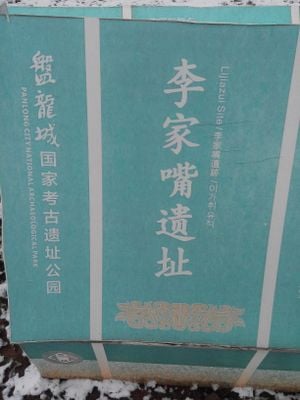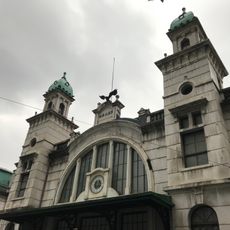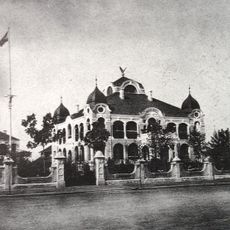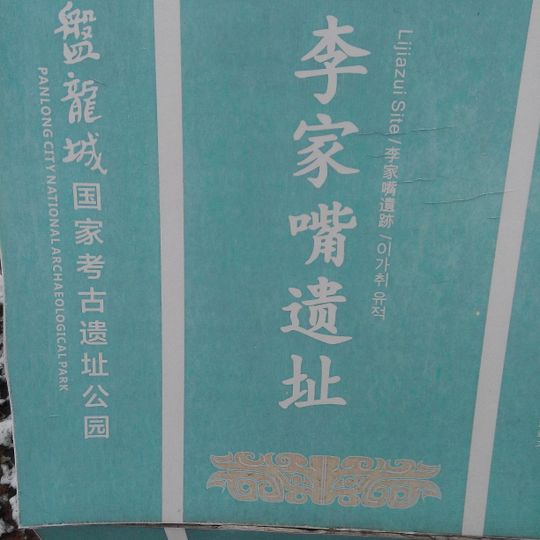
Panlongcheng, Bronze Age archaeological site in Huangpi district, Wuhan, China.
Panlongcheng is a Bronze Age archaeological site in Wuhan that reveals the remains of a royal settlement in a river valley. Excavations have uncovered palaces, residential buildings, aristocratic tombs, and workshops that show how an early civilization was structured.
The site was a major center between 1500 and 1300 BCE and shows the development of early bronze metallurgy in the Yangtze region. It documents a period when complex societies formed along major river valleys in China.
The name Panlongcheng, "coiling dragon city", appears in the Jiajing-era Huangpi County Gazetteer, which records the site's location but not its builders or date. A 1932 Hubei military map marked its outline as "Pantucheng", earthen city. The Panlongcheng Site Museum opened on 28 September 2019 with the permanent exhibition "Great Yangtze, Glorious Shang City".
The site sits in an area with well-maintained paths and walkways that allow visitors to explore the different excavation areas. Wear sturdy shoes and allow time to see both the museum exhibition and the outdoor sections.
The Lijiazui tomb M2 held 77 grave goods, including 50 bronzes and a 41.4 cm bronze yue axe with a 26.7 cm blade, a size rarely seen in the early Shang. Its outer coffin bore red pigment and carved taotie and cloud-thunder patterns.
The community of curious travelers
AroundUs brings together thousands of curated places, local tips, and hidden gems, enriched daily by 92,791 contributors worldwide.