Lugu Lake, Alpine lake in Yunnan and Sichuan provinces, China
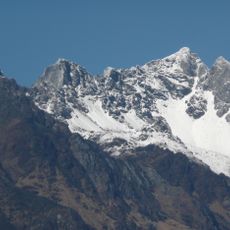
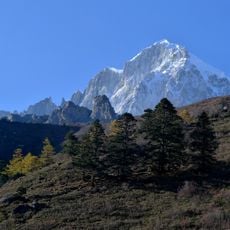
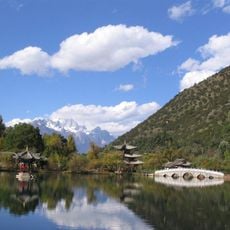
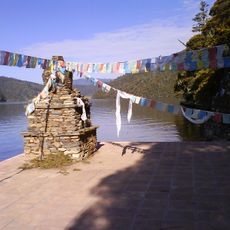
Lugu Lake is an alpine body of water straddling two provinces at an elevation of 2,685 meters (8,809 feet). The water displays a deep blue hue and is ringed by mountains, with five separate islands scattered across its surface.
At the end of the Yuan dynasty a Mongol force retreated to Lugu Lake, settled there and married into the local population. The Ming traveller Xu Xiake recorded the lake and its three small neighbouring lakes as the "four pools", noting three islands in the water. In 1940s the Han woman Xiao Shuming, introduced by Xikang governor Liu Wenhui, married the local tusi La Baochen and became an influential figure. The lake was made a provincial nature reserve in 1986 and a national scenic area in 1988.
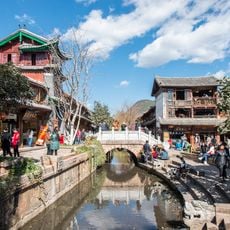
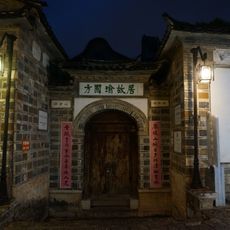
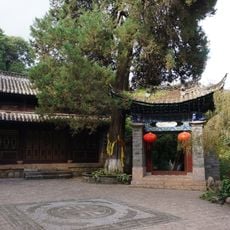
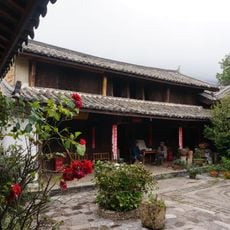
The Mosuo community maintains daily practices where women manage family property and inheritance decisions. Visitors can observe these customs reflected in village layouts and how family groups organize their household and work together.
The lake lies at 2,690 m, so expect thin air and strong sun; nights are cold and the water stays cold year-round. The outlet river is only opened in the rainy season, roughly June to October, and the lake is snowbound about three months a year. Until 1982 no road reached the lake; access is now by the S307 provincial road, where heavy rain can trigger landslides. Swimming is traditionally taboo.
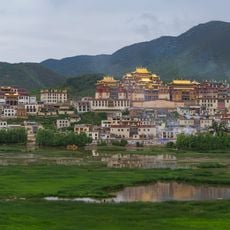
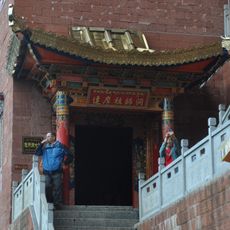
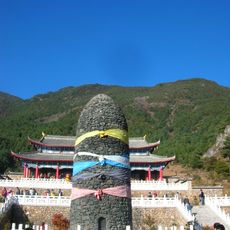
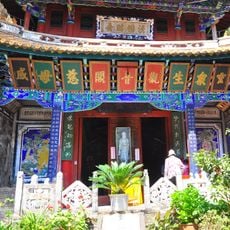
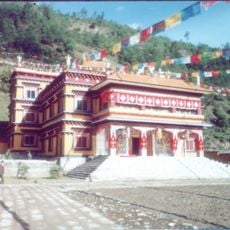
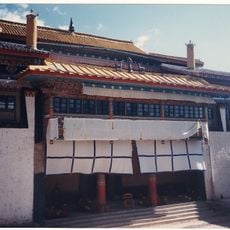
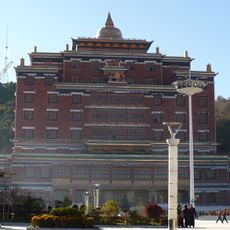
The lake's name comes from the Mosuo language: "lugu" means "falling into the water," and "hu" is Chinese for lake. The Mosuo call it their "mother lake." Its shores hold Tibetan-style monasteries, including Dzembu Monastery of the Sakya Order.
The community of curious travelers
AroundUs brings together thousands of curated places, local tips, and hidden gems, enriched daily by 93,933 contributors worldwide.