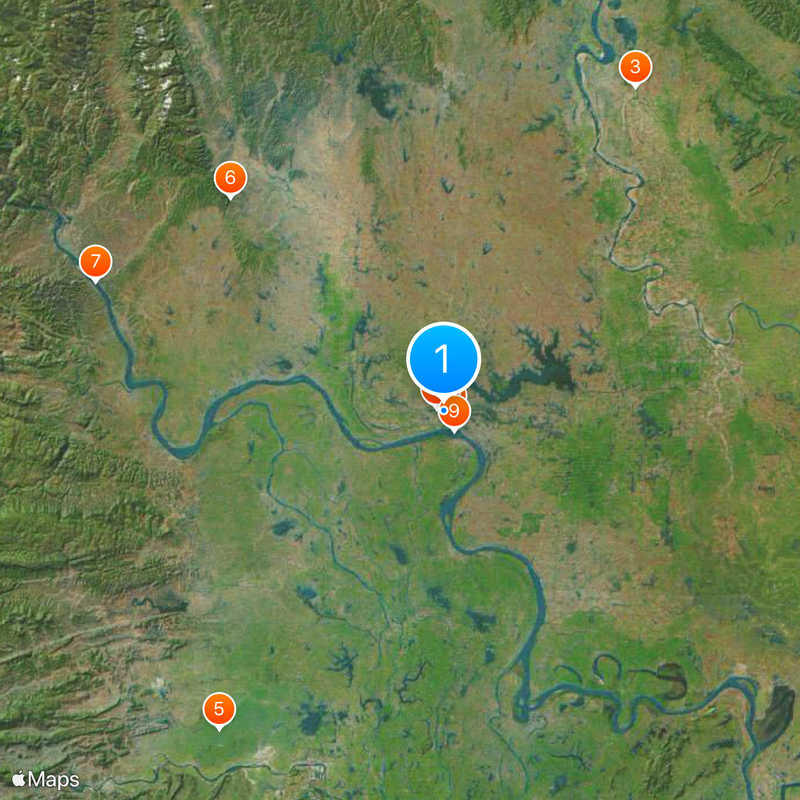
Jingzhou, Former territorial division in Hubei, China.
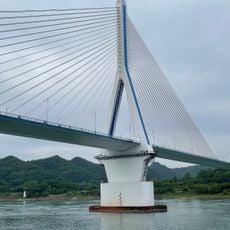
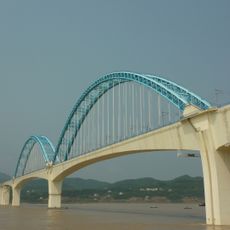
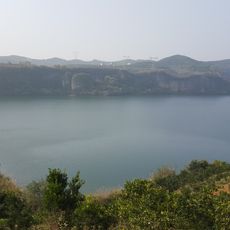
Jingzhou was a historical region spanning areas of present-day Hubei and Hunan provinces, characterized by an extensive network of waterways. Its strategic position along the Yangtze River banks made it a vital transportation and commercial hub.
The region served as the seat of 20 generations of Chu rulers between 770 and 221 BC before becoming an administrative division under Emperor Wu. It later underwent several administrative reforms and name changes, particularly during the Qin dynasty.
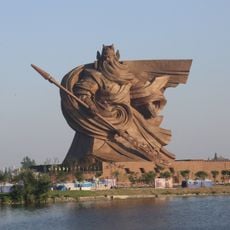
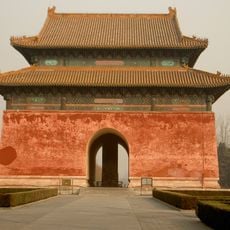
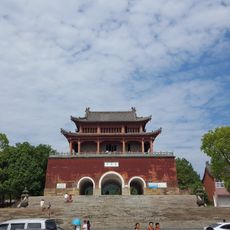
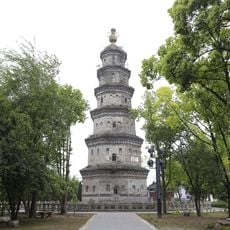
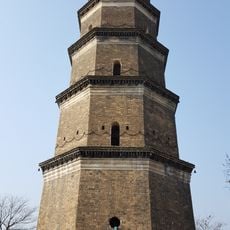
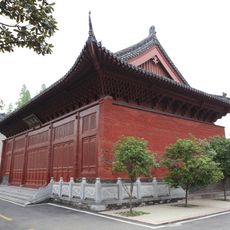
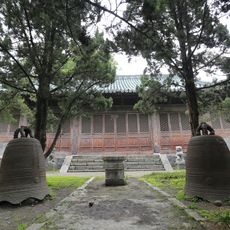
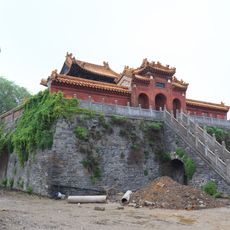
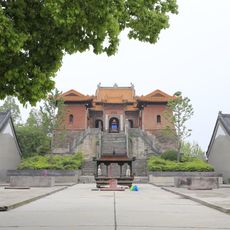
This territory became a major seat of power and administrative decisions that shaped the region for centuries. You can observe its importance reflected in the preserved city walls and architectural structures that still stand today.
The area is centered on a river that historically enabled travel and exploration of its waterways. Its geographic position offers good opportunities to understand the historical significance and connections between different administrative zones.
The territory received the name Jingzhou during the Qin dynasty as a result of a renaming to avoid confusion with a king's name. This name change demonstrates how administrative structures in ancient China were often adapted to political requirements.
The community of curious travelers
AroundUs brings together thousands of curated places, local tips, and hidden gems, enriched daily by 92,188 contributors worldwide.