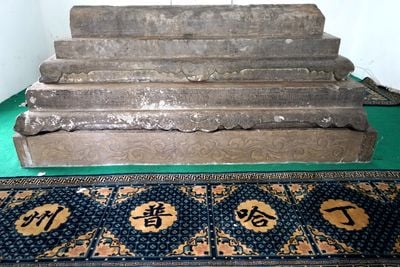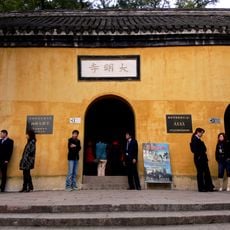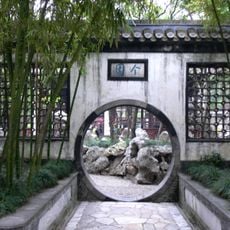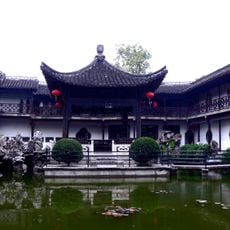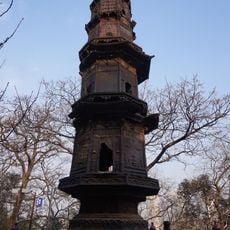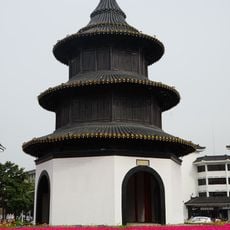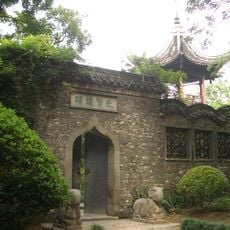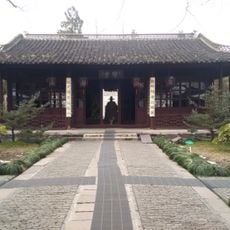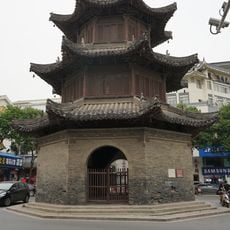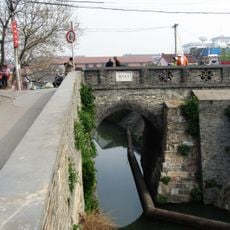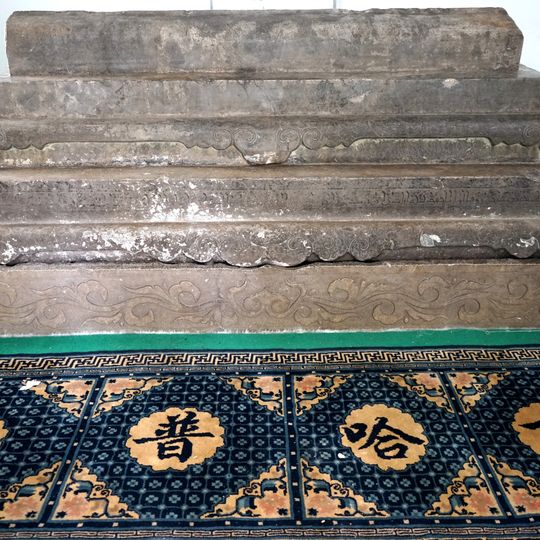
Tomb of Puhaddin, Cemetery in Yangzhou, China.
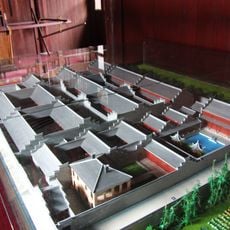
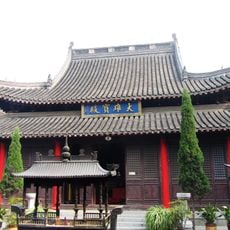
The Tomb of Puhaddin is a burial site in Yangzhou that combines Chinese architectural elements with Persian influences, featuring detailed stone carvings and inscriptions throughout. The structure consists of multiple sections that blend traditional burial forms with foreign design details.
The tomb was built during the Ming and Qing Dynasties and commemorates Puhaddin, a figure symbolizing Persian presence along the Silk Road. The burial site shows how trade routes created cultural connections between distant regions.
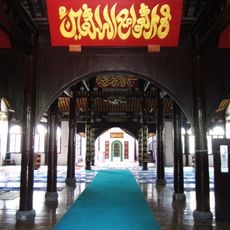
The mausoleum displays inscriptions in both Chinese and Persian languages, showing how different civilizations met and exchanged ideas during medieval times in this city. These two language traditions appear together on the stones, telling the story of the merchants and travelers who passed through.
The site is located in Yangzhou and received national protection status in 2001, with regular opening hours for visitors. Information about accessibility and best times to visit is available on site.
The complex displays a rare blend of Chinese and Islamic burial practices reflected in its architectural details. This makes it a notable example of cultural fusion that occurred along ancient trade routes.
The community of curious travelers
AroundUs brings together thousands of curated places, local tips, and hidden gems, enriched daily by 91,107 contributors worldwide.