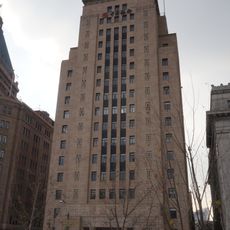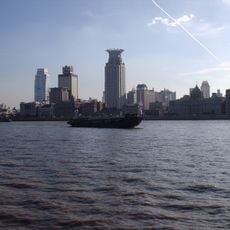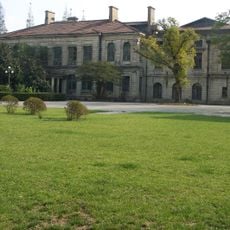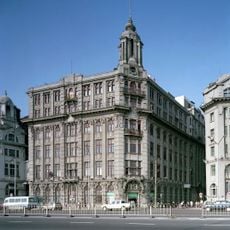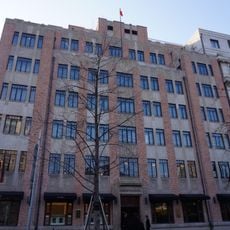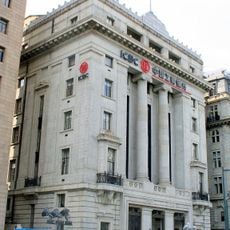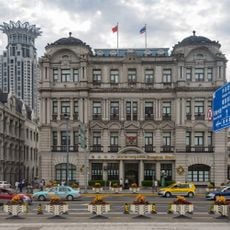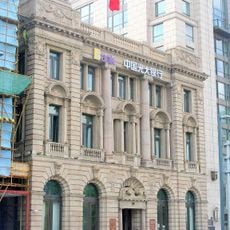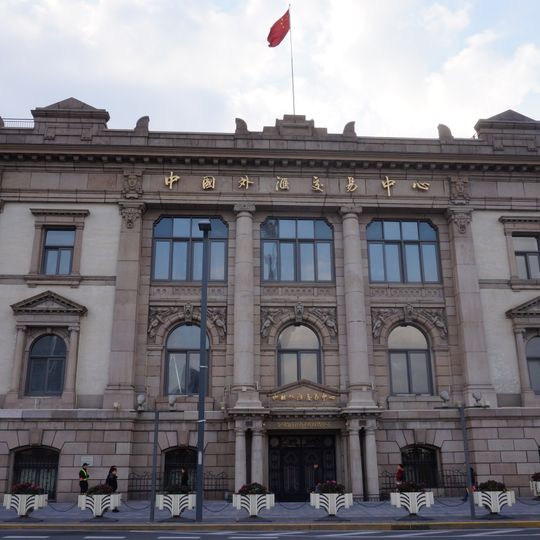
Russo-Chinese Bank Building, Historical bank building at The Bund, Shanghai, China
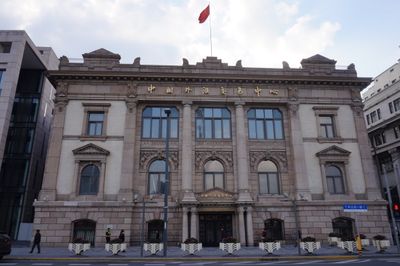
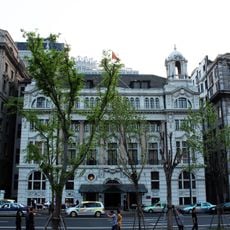
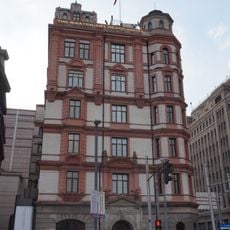
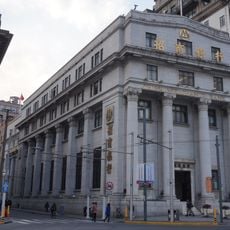
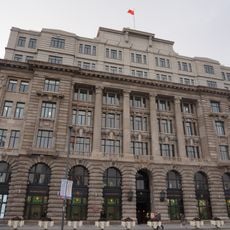
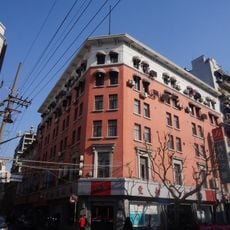
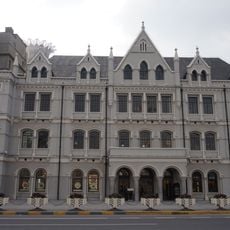
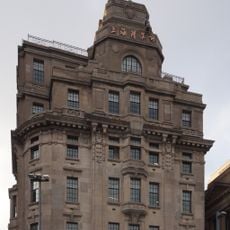
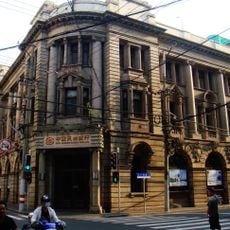
The Russo-Chinese Bank Building is a three-story Renaissance structure at the Bund with white glazed ceramic tiles, granite facades, and four symmetrical rows of windows on each side of the central entrance. The elegant design combines European building traditions with modern office layout, allowing abundant natural light into the work spaces through large windows.
Built in 1901 under architect Heinrich Bake's direction, the structure served as the Shanghai branch of the Russo-Chinese Bank until the Russian Revolution of 1917 disrupted banking operations. After this turning point, new operators took over the building and adapted its solid construction for different business purposes throughout the following decades.
The structure displays European architecture from the early 20th century along the Huangpu River and was part of Shanghai's transformation into an international financial center. The refined white ceramic exterior and symmetrical facades reflect the tastes of the bankers who shaped the city's appearance during this era.
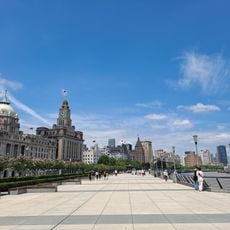
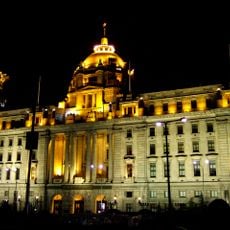
The building stands on East Zhongshan Road and can be viewed from the outside, as it now functions as the Shanghai Foreign Exchange Trading Center. The best way to appreciate the architectural details is by walking along the Bund waterfront, where the white facade looks different depending on the time of day and lighting conditions.
The structure introduced cutting-edge office equipment to Shanghai, including an early elevator system, on-site power generation, and desk-mounted electric fans throughout the workspace. These technical innovations allowed bankers to work more efficiently and attracted skilled staff who valued modern work environments.
The community of curious travelers
AroundUs brings together thousands of curated places, local tips, and hidden gems, enriched daily by 60,000 contributors worldwide.