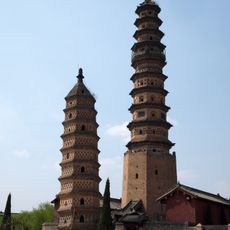
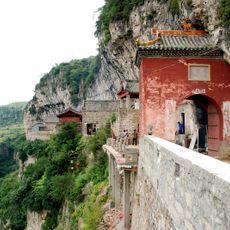
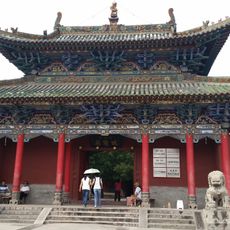
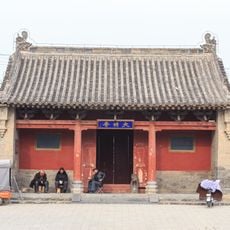
中坪二仙宫, Buddhist temple in Gaoping, China.
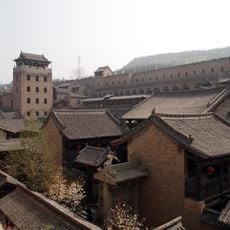
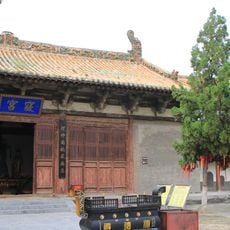
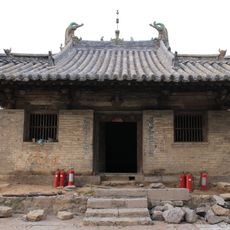
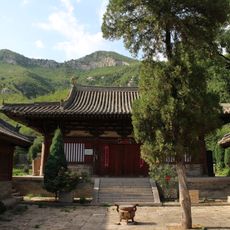
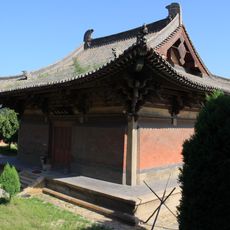
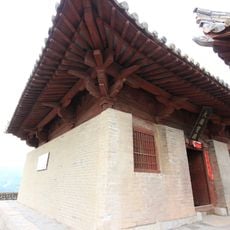
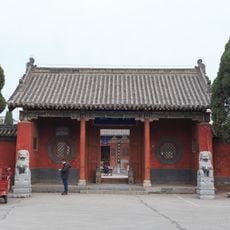
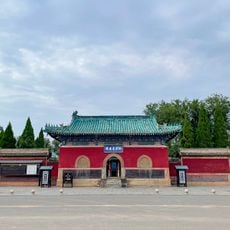
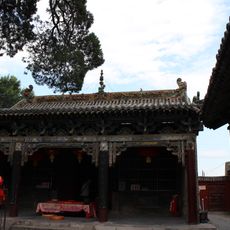
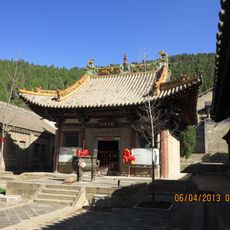
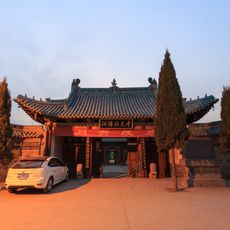
The temple complex occupies a large space with a main hall positioned on a stone platform that spans three bays in both width and depth. The structure displays traditional architectural features arranged in layers with carefully designed details throughout the composition.
The temple was founded during the Tang Dynasty period with construction developing in the early 10th century. Extensive renovations during the Jin Dynasty around 1170 shaped the structure into its current form and reinforced its architectural character.
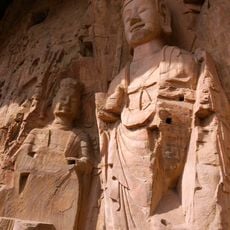
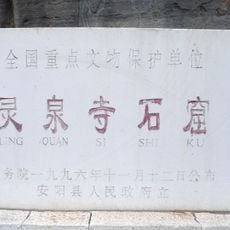
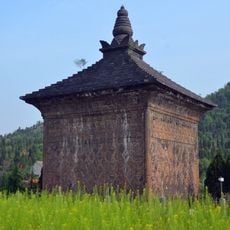
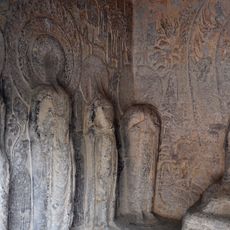
The main hall displays intricate brick carvings and stone inscriptions spanning multiple periods, showing how local communities expressed their faith through craftsmanship. These artworks reveal the beliefs and artistic skills that mattered most to people who worshipped here over time.
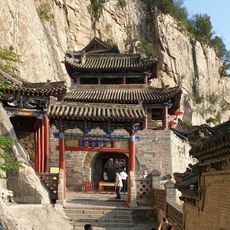
The temple sits at the southern base of Cuiping Mountain in the Beishi area, surrounded by pathways that connect to the surrounding landscape. Visiting during daylight is recommended so you can fully appreciate the architectural and decorative details throughout the complex.
The roof system uses a specialized bracket assembly with a five-part double-arm dougong construction supporting the front eaves of the main hall. This intricate wooden joinery technique was an advanced craftsmanship solution that required no nails or metal fasteners.
The community of curious travelers
AroundUs brings together thousands of curated places, local tips, and hidden gems, enriched daily by 60,000 contributors worldwide.