Hangzhou Confucian Temple, Ancient Confucian temple in Hangzhou, China
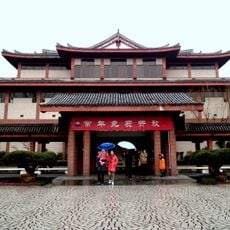
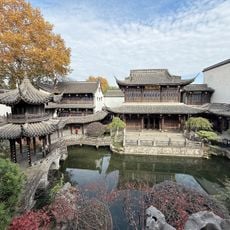
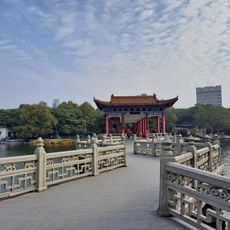
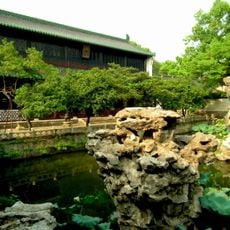
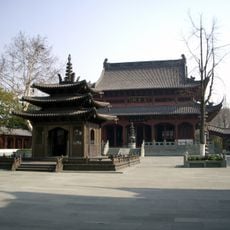
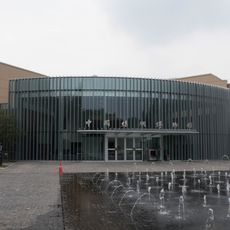
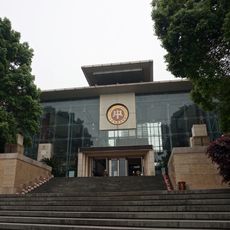
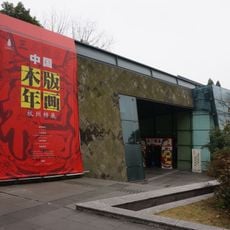
Hangzhou Confucian Temple and Stele Forest occupies 1.32 hectares split into two zones. The west zone follows a north–south axis through Lingxing Gate, a half-moon pool, Dacheng Gate and Dacheng Hall, the city's only intact Qing double-eaved wooden hall. The east zone, laid out as a Jiangnan garden around a water court, links the Stone Classics Pavilion, Planetarium and Wenchang Pavilion by covered corridors.
The site rose to importance during the Southern Song period when Hangzhou became the imperial capital and needed a ceremonial hub for Confucian teachings. This role anchored it as an educational and cultural institution.
The East and West Wings hold tablets of Confucius's disciples and later scholars; the east wing now displays Hangzhou's imperial examination culture, the west 22 pictures of Confucius's life. Since 2008 a ceremony marks Confucius's birthday each year, and the adjacent West Lake Guoxue Institute runs children's coming-of-age and school-entry rites.
The site sits in central Hangzhou along Laodong Road and welcomes visitors daily for self-guided exploration or organized tours. Guides available on-site explain the architectural features and philosophical meanings as you walk through the halls.
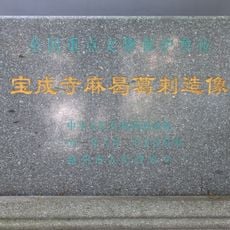
The stele collection includes the Southern Song Imperial University Stone Classics, engraved with the Thirteen Classics in the calligraphy of Emperor Gaozong and Empress Wu. The star chart stele from the Five Dynasties period and the Sixteen Arhats stones after Guanxiu's paintings are also kept here, alongside calligraphy by Wang Xizhi, Wang Xianzhi, Su Shi and Zhao Mengfu.
The community of curious travelers
AroundUs brings together thousands of curated places, local tips, and hidden gems, enriched daily by 93,889 contributors worldwide.