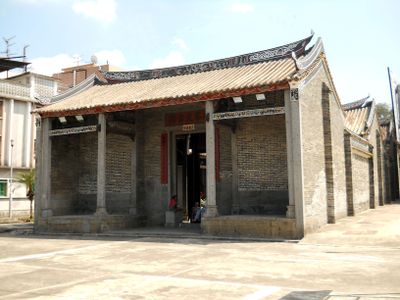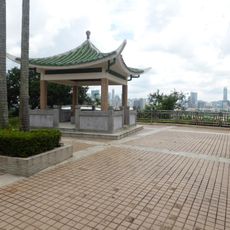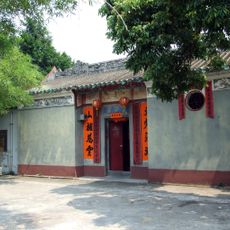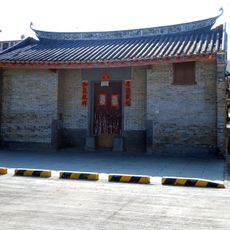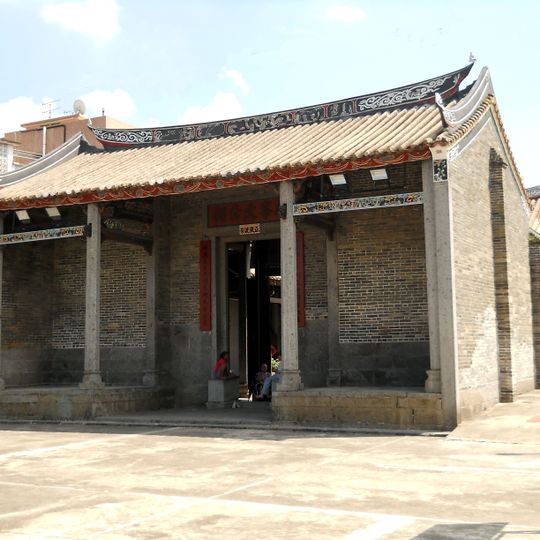
Man Lun Fung Ancestral Hall, Ancestral hall in Hong Kong, China.
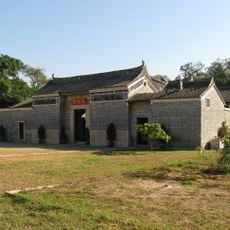
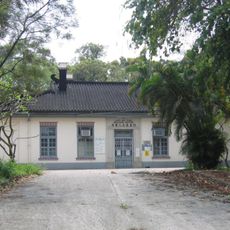
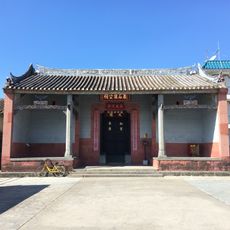
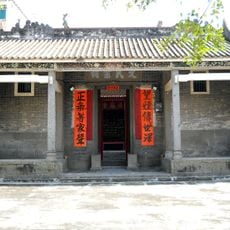
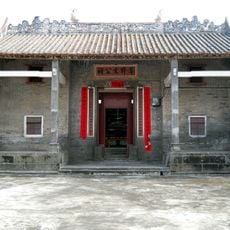
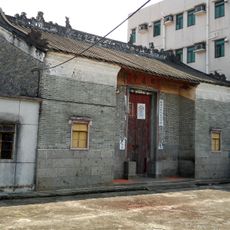
Man Lun Fung Ancestral Hall in Fan Tin Village, San Tin, is a three-hall, two-courtyard building of grey brick, one of five Man clan halls in the village. Its entrance hall is named Tushu Tang, whose plaque bears a Jiaqing bingyin (1806) inscription by Song Xiang. The granite base and door frame, boat-shaped ridge and carved figures on the brackets are visible details.
The hall honours Man Fat-po, eighth-generation ancestor of the Man clan of San Tin and son of founder Man Sai-ko. Its construction date is unknown, but it is estimated to date from the Jiaqing reign of the Qing dynasty, over 200 years ago. It was declared a monument on 4 March 1983, restored with Jockey Club funding by 1987 and again in 1995 with government funding.
The hall's name honours Man Fat-po, styled Lun Fung, eighth-generation ancestor of the Fan Tin Man clan. Its entrance plaque 'Tushu Tang' was inscribed in 1806 by Song Xiang, called Lingnan's foremost talent. Ancestral rites, festival celebrations and elders' gatherings still take place here.
The hall stands in Fan Tin village, Sheung Tin, Yuen Long, one of five Man ancestral halls in the village. It is a declared monument, so treat the 1806 plaque, the ancestral tablets and the carvings as protected fabric: do not touch them. The three halls and two courtyards are still used for ancestor worship and village gatherings, so check locally before entering during festivals.
The name plaque above the central door of the front hall, inscribed "Tushu Tang", dates from 1806 (Jiayin year of the Jiaqing reign) and was written by Song Xiang, called the "first talent of Lingnan". The central hall also hangs a plaque commemorating Man Ting-sze's second-place finish in the imperial examination.
The community of curious travelers
AroundUs brings together thousands of curated places, local tips, and hidden gems, enriched daily by 95,221 contributors worldwide.