Hancheng Confucian Temple, Ancient temple complex in Hancheng, China.
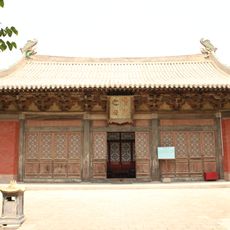
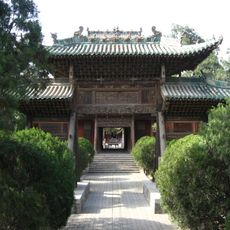
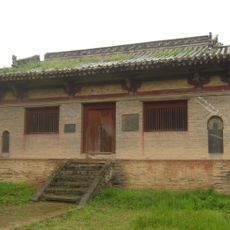
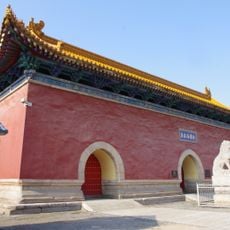
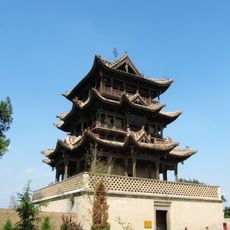
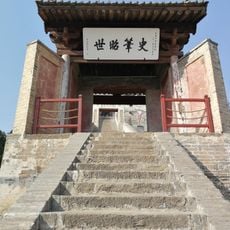
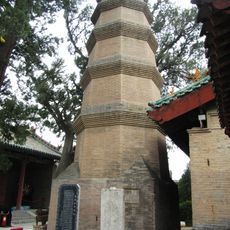
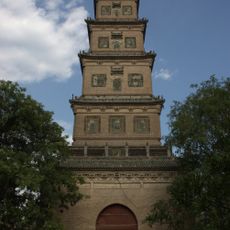
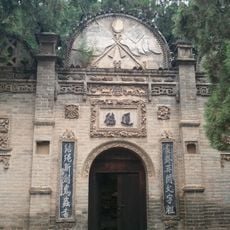
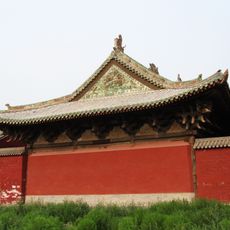
The Hancheng Confucian Temple in Shaanxi covers 11,000 square metres and faces south, with four successive courtyards and 22 buildings in a 'temple in front, school behind' plan. Its main structures are the Lingxing Gate, the Ji Gate, the Dacheng Hall, the Minglun Hall and the Zunjing Pavilion. The Dacheng Hall and Ji Gate keep Yuan-style timberwork.
The founding date of the Hancheng Confucian Temple is unknown; the surviving buildings were rebuilt in 1371, the fourth year of the Ming Hongwu reign. The Dacheng Hall and Ji Gate keep Yuan-style construction features. The site was listed as a county-level protected unit in 1957 and as a Major Historical and Cultural Site Protected at the National Level in 2001.
The temple served as a center for local reverence toward Confucian teachings and demonstrates the region's deep commitment to these philosophies. Visitors can observe how the spaces were arranged for ceremonies and scholarly pursuits that shaped the community.
The temple stands on Dongxue Lane in the Jincheng subdistrict of Hancheng, Shaanxi. The complex faces south and is entered from the north-to-south axis, so walk the four courtyards in order from the Lingxing Gate to the Zunjing Pavilion on its raised platform. The site has housed the Hancheng City Museum since 1984.
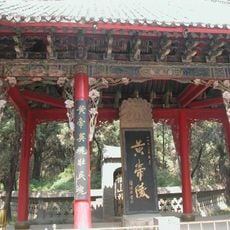
The five-dragon glazed-tile screen wall stands in front of the temple gate, and two wooden archways flank the entrance, inscribed "Depei Tiandi" (virtue matches heaven and earth) and "Daoguan Gujin" (the way crowns past and present). The Dacheng Hall holds a plaque reading "Wanshi Shibiao" (model teacher of all ages) written by the Kangxi Emperor himself.
The community of curious travelers
AroundUs brings together thousands of curated places, local tips, and hidden gems, enriched daily by 94,367 contributors worldwide.