Mausoleum of the Yellow Emperor, Ancient tomb on Qiao Mountain in Huangling County, China
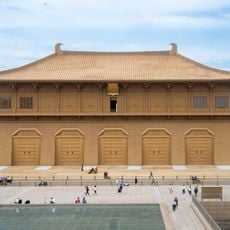
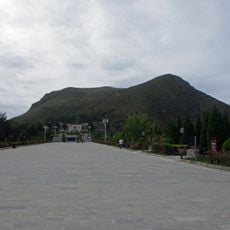
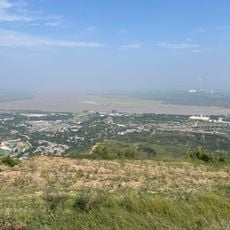
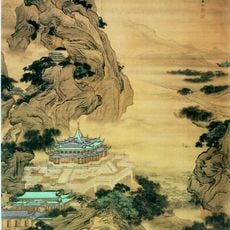
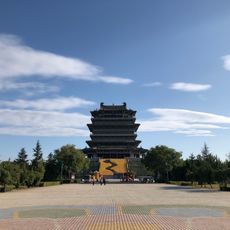
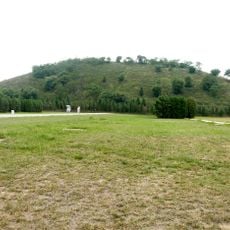
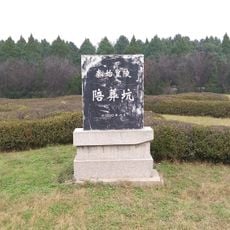
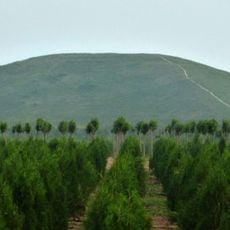
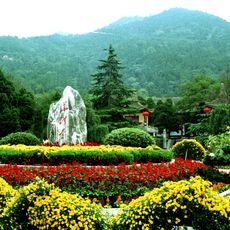
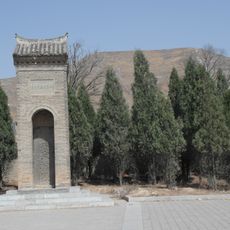
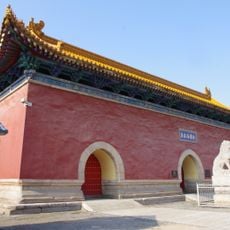
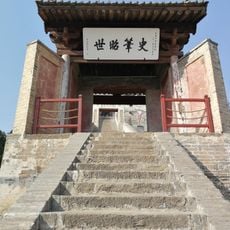
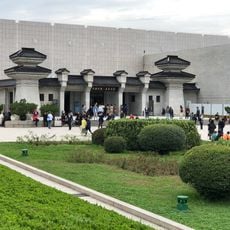
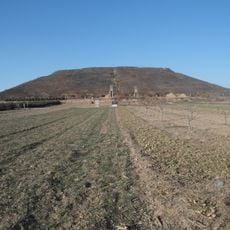
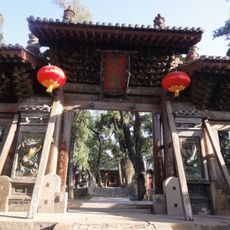
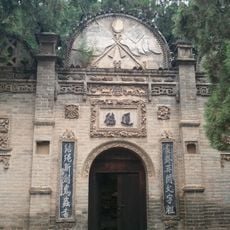
The Mausoleum of the Yellow Emperor stands on Qiao Mountain north of Huangling County town, comprising a tomb area and the Xuanyuan Temple. The tomb mound is 3.6 metres high and 48 metres around, enclosed by a brick wall, with a stele reading "Qiaoshan Longyu" to its south. The temple, rebuilt after 1993 in all-granite construction, covers about 8,000 square metres.
The earliest recorded offerings at this site date back to the 5th century BCE, marking its early importance as a place of honor. The Tang Dynasty in the 8th century elevated it to a national shrine, expanding its role as a symbol of imperial authority.
The site hosts annual ceremonies where visitors and devotees make offerings to honor the Yellow Emperor as the ancestor of Chinese civilization. These rituals show how the place remains central to how people express respect for this legendary founder.
The site sits roughly one kilometer from Huangling County town center and is straightforward to reach. Visitors should wear comfortable shoes to explore the expansive grounds and allow time for an unhurried walk through the complex.
The tomb mound itself is only 3.6 metres high with a 48-metre circumference, ringed by a brick wall. South of it stands a Ming-dynasty stone tablet reading "Qiaoshan Longyu". The inscription on the tomb's stele was written by Chiang Kai-shek during the war against Japan, removed in 1956 and replaced in 1963 with calligraphy by Guo Moruo.
The community of curious travelers
AroundUs brings together thousands of curated places, local tips, and hidden gems, enriched daily by 93,899 contributors worldwide.