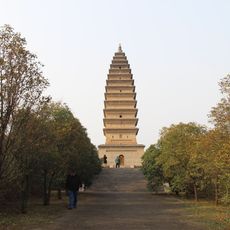
Haizhou Guandi Temple, National heritage temple in Haizhou, China
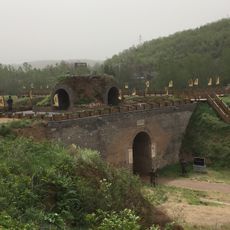
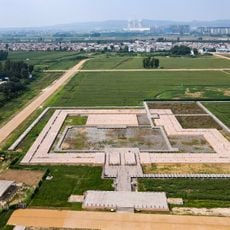
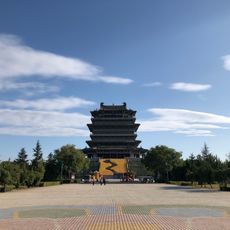
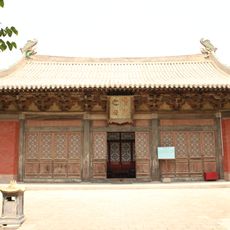
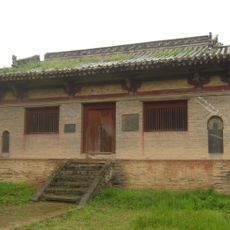
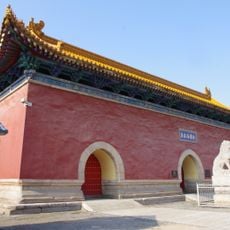
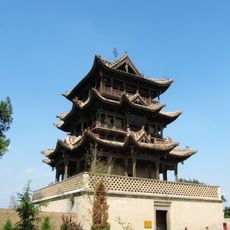
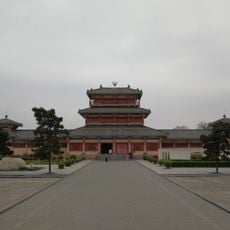
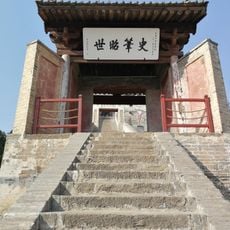
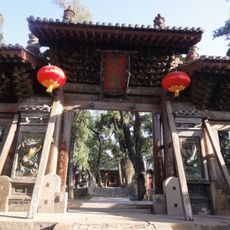
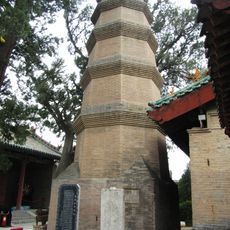
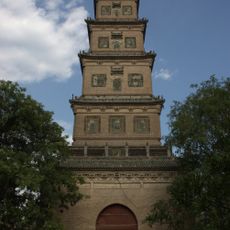
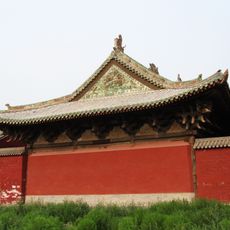
The Haizhou Guandi Temple is a nationally protected temple complex in Haizhou featuring more than 200 rooms built in traditional Chinese architectural style, with multiple gates and ceremonial halls spread across an extensive layout. The buildings are organized in distinct sections that guide visitors through the various components of the religious structure.
The temple was established in 589 AD during the Sui Dynasty, making it one of the oldest religious structures in the region. A major fire in 1702 destroyed much of the complex, and the subsequent ten-year rebuilding effort under the Qing Dynasty left a lasting mark on its current appearance.
The temple honors Guan Yu, a general from the Three Kingdoms period, whom visitors can see worshipped in various halls by devotees who view him as an embodiment of loyalty and moral integrity. People from different walks of life visit to pay respect to this historical military figure.
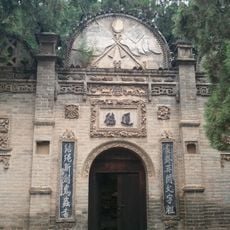
The complex covers 220,000 square metres and runs north–south, with the Jieyi Garden in the south and the main temple in the north. The axis passes the Duanmen, Zhimen and Wumen gates, then the Chongning Hall and finally the Chunqiu Hall at the northern end. The site lies in Xiezhou village, Wuyi West Road 145, about 20 km from Yuncheng city.
The temple's name is written with the character 解 pronounced "hài", not "xiè", a reading locals and signage keep for this town. The temple also appears as a filming location in the video game Black Myth: Wukong, drawing players to its courtyards and gates.
The community of curious travelers
AroundUs brings together thousands of curated places, local tips, and hidden gems, enriched daily by 93,080 contributors worldwide.