Laosicheng, Archaeological site in Yongshun County, China
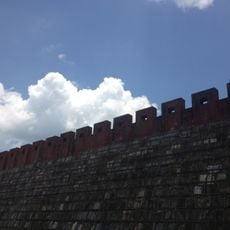
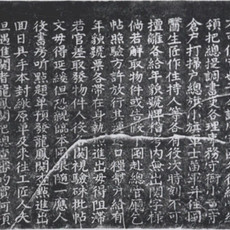
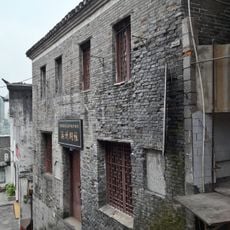
Laosicheng, originally Fushicheng, lies on the Lingxi River in Sicheng Village, Lingxi Town, Yongshun County. Its core zone covers over 250,000 square metres, with a palace area built against the hillside: an oval of 436 metres in perimeter and about 14,000 square metres, higher in the northeast. Excavations uncovered streets, walls, drainage, bronze bells and stone horses.
The city was established in 1135 as an administrative center for the Peng clan and remained in this role until 1724 when political control changed. This long period shaped how the settlement developed and how power was exercised over the centuries.
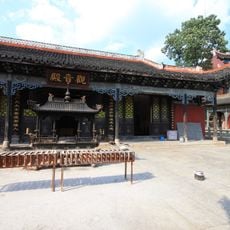
The site reveals how the Tujia people expressed their beliefs through temple structures and burial grounds dedicated to ancestral worship. Walking through these spaces shows how local traditions shaped the daily and spiritual life of the community.
The site lies in Sicheng Village, Lingxi Town, Yongshun County, by the Lingxi River, a tributary of the Niulu River. The core zone covers over 250,000 square metres, so allow time to walk between the palace area, streets and tombs. Combine public transport to Yongshun with a local vehicle for the final stretch.
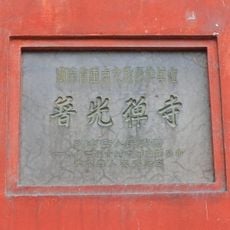
This location preserves the oldest and most complete remains of a Tusi administrative city in China, showing intact urban planning from that era. This level of preservation allows visitors to see how such power centers were actually constructed and organized.
The community of curious travelers
AroundUs brings together thousands of curated places, local tips, and hidden gems, enriched daily by 94,027 contributors worldwide.