Quanzhou: Emporium of the World in Song-Yuan China, Maritime trade center in Fujian Province, China
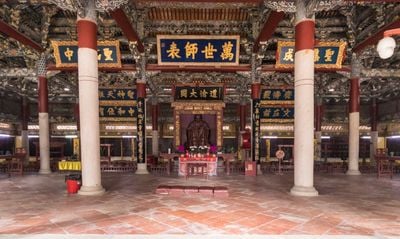
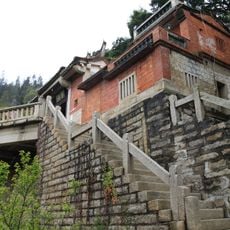
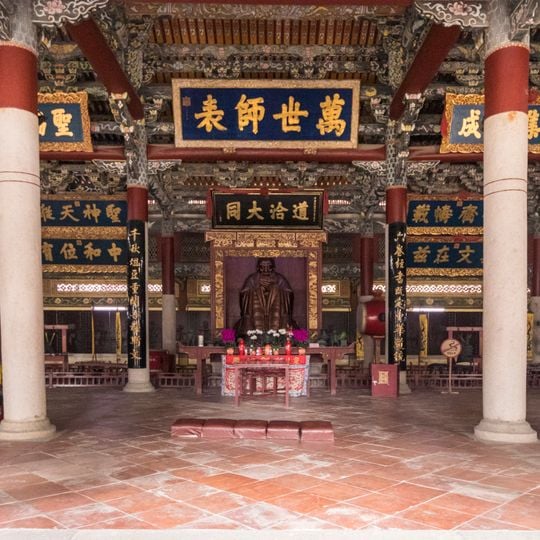
Quanzhou: Emporium of the World in Song-Yuan China is a UNESCO World Heritage Site in Quanzhou, Fujian province, comprising 22 components such as temples, bridges, kilns, and administrative buildings. These components are distributed around Quanzhou Bay, with the city center as the core, and together document the infrastructure that supported maritime trade from the 10th to the 14th centuries.
Quanzhou, known in Song and Yuan times as Citong, was nominated in January 2017 as Ancient Quanzhou (Citong) Relics for the 2018 World Heritage list. ICOMOS judged the 16 proposed sites too dispersed in May 2018, and the 42nd session referred the nomination that June. Renamed and enlarged to 22 components in 2020, it was inscribed at the 44th session in Fuzhou on 25 July 2021.
The Qingjing Mosque, Kaiyuan Temple, and Tianhou Temple still stand near each other in the city, showing how Buddhists, Muslims, and seafarers each built their own places of worship in one trading hub. Walking through the streets today, visitors can see how these buildings continue to shape the character of the neighborhoods around them.
The 22 components lie mostly around Quanzhou Bay, with the city centre as the core, so several days are needed to cover them. Grouping sites by district in advance avoids long crossings; the six added in 2020, such as Anping Bridge and the Dehua kiln sites, sit farther from the centre.
The nomination first submitted in 2018 listed 16 sites; ICOMOS judged them too scattered to reflect the city's fabric and recommended against inscription. China expanded the list to 22 components, adding six sites including the Anping and Shunji bridges, the Maritime Trade Office and the Dehua kilns, and the revised property was inscribed in 2021.
The community of curious travelers
AroundUs brings together thousands of curated places, local tips, and hidden gems, enriched daily by 93,174 contributors worldwide.