Skulpturensammlung und Museum für Byzantinische Kunst, Art museum in Museum Island, Berlin, Germany
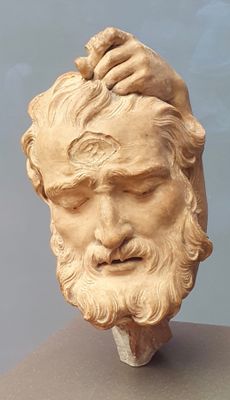
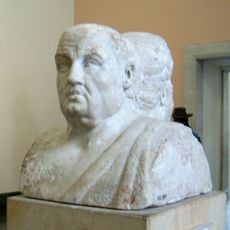
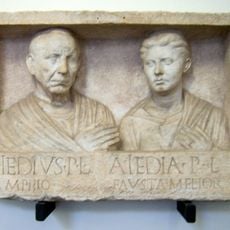
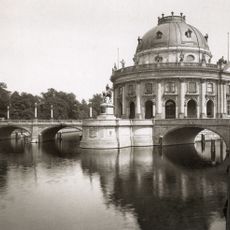
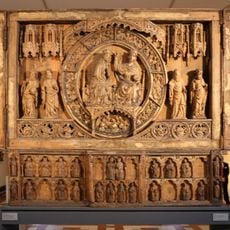
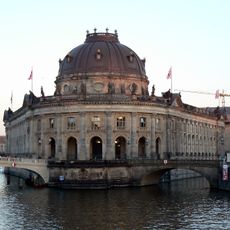
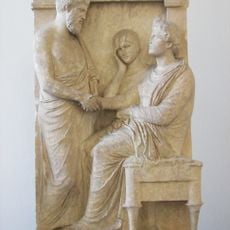
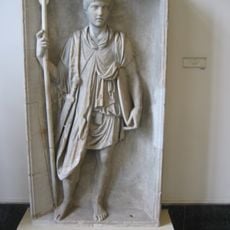
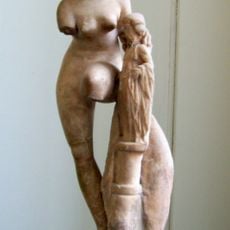
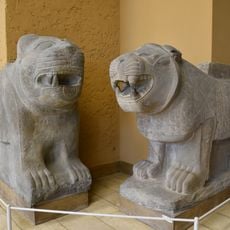
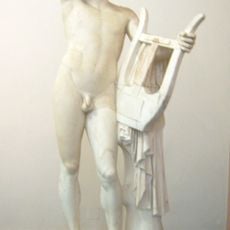
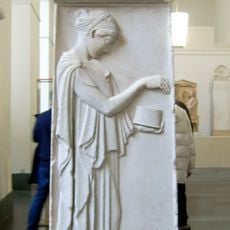
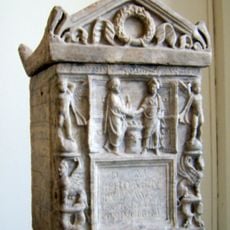
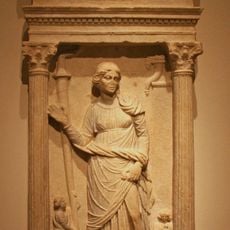
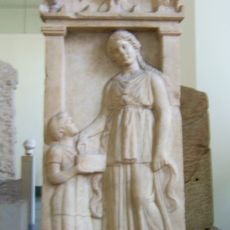
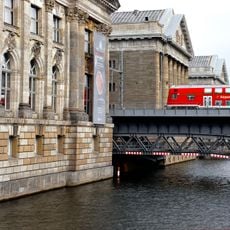
The Skulpturensammlung und Museum für Byzantinische Kunst is a museum on Museum Island in Berlin-Mitte that holds a large collection of European sculptures and Byzantine art from the 3rd to the 15th century. It is housed in the Bode-Museum, a building at the northern tip of the island, and displays sarcophagi, ivory carvings, and religious works from several periods.
The collection grew from the art holdings of the Brandenburg-Prussian rulers. In 1828 the museum bought the Roman collection of consul general Jakob Ludwig Salomon Bartholdy, and in 1841/1842 Gustav Friedrich Waagen acquired about 80 works from the Venetian antiquarian Francesco Pajaro for 13,260 francs. From 1885 Wilhelm Bode led the sculpture department and pushed to unite post-antique and early Christian-Byzantine works in one collection.
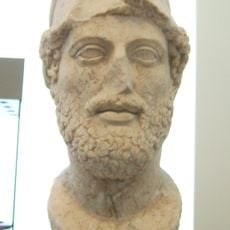
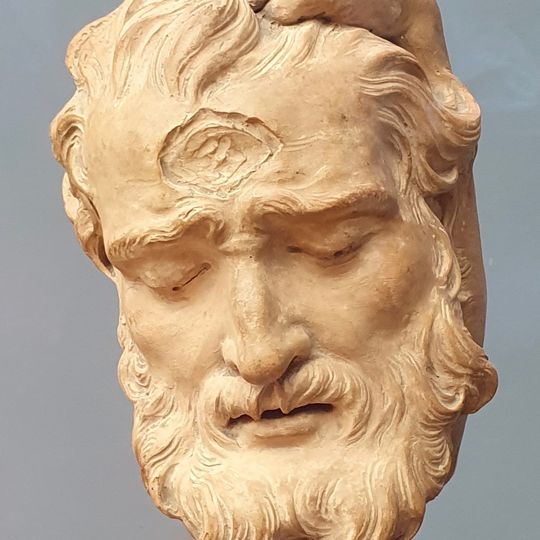
The collection brings together works from Germany, France, Italy, the Netherlands, and Spain, with pieces by Donatello, Tilman Riemenschneider, and Bernini among them. Walking through the rooms, visitors can see how sculptors across Europe developed similar forms and themes over the centuries.
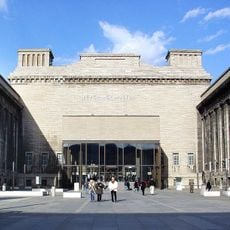
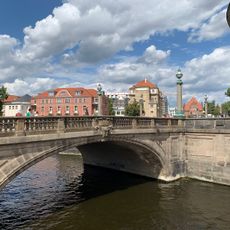
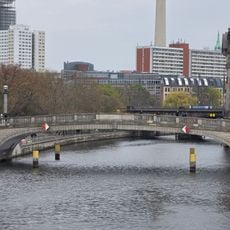
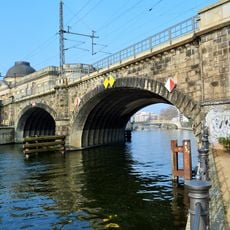
The collection occupies the upper floor of the Bode-Museum at the northern tip of Museum Island, reached by the Monbijoubrücke and the S-Bahn station Hackescher Markt. The entrance hall and the basilica with the apse mosaic from Ravenna lie on the ground floor; the sculpture galleries are upstairs. Lockers are available at the entrance, and the rooms are connected in a circuit.
Among the objects on display are late antique sarcophagi and items from Egypt that survived in unusually good condition because of the dry desert environment. These include rare wooden and fabric pieces that would not have lasted in most other parts of the world.
The community of curious travelers
AroundUs brings together thousands of curated places, local tips, and hidden gems, enriched daily by 93,833 contributors worldwide.