Gratianopolis, Archaeological site in Grenoble, France
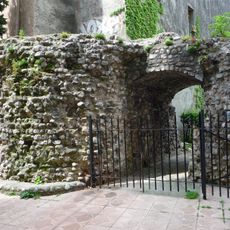
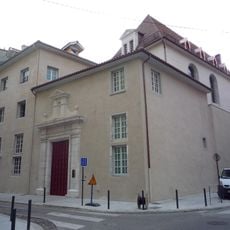
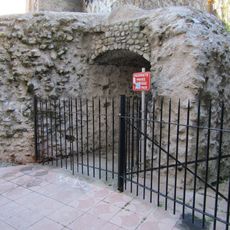
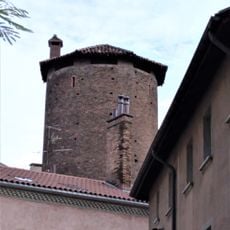
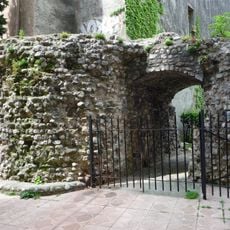
Gratianopolis was a Roman settlement at the junction of river valleys with fortified walls and organized urban design near the Isère. The remains of these ancient fortifications are built into modern structures and partly exposed through archaeological digs.
Celtic Gauls established the settlement originally as Cularo, which Roman emperor Gratian renamed in 381 CE. This name change marked Rome's assertion of control over an existing community.
The site's religious transformation began when its first bishop commissioned an episcopal quarter and baptistery, signaling Christianity's arrival. These structures show how faith reshaped the settlement's purpose and layout.
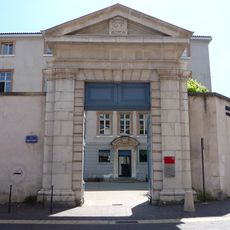
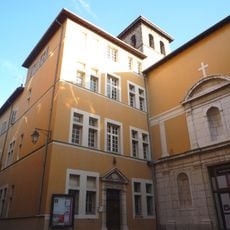
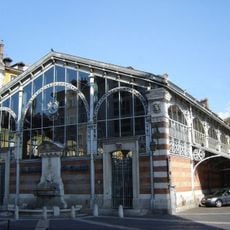
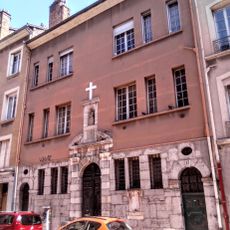
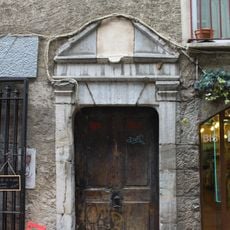
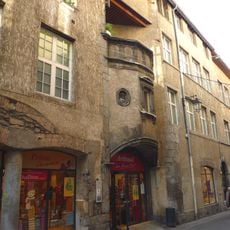
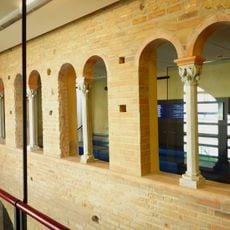
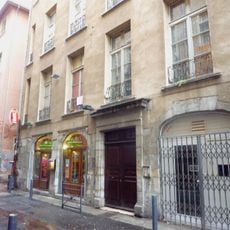
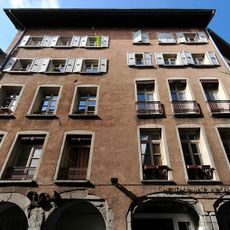
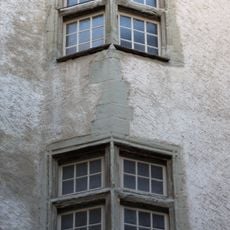
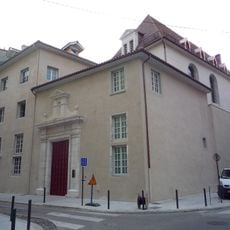
The archaeological site is scattered throughout the modern city, with remains preserved in museums and beneath existing buildings. Museums in the area display excavated objects and reconstructed layouts to help visitors understand the ancient layout.
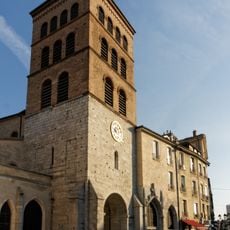
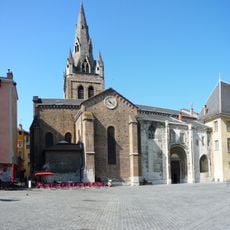
Fourth-century baptistery foundations lie hidden beneath the Notre Dame cathedral and its museum space. These buried remains offer a direct window into how early Christians worshipped in the settlement.
The community of curious travelers
AroundUs brings together thousands of curated places, local tips, and hidden gems, enriched daily by 91,394 contributors worldwide.