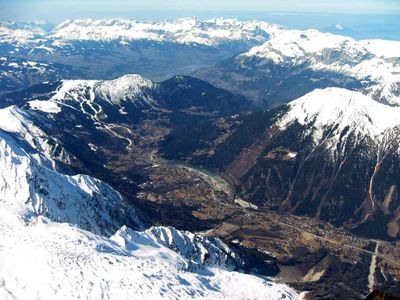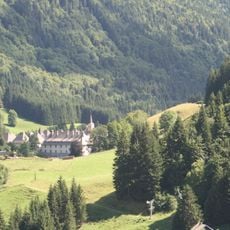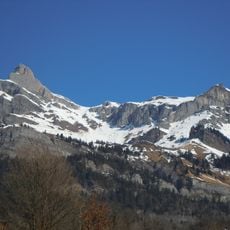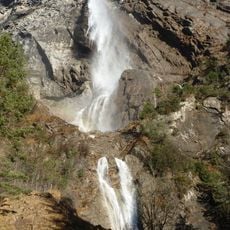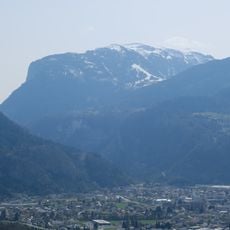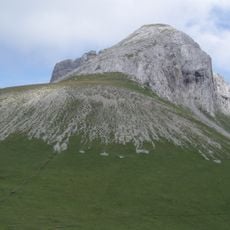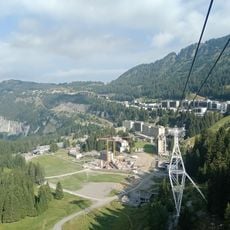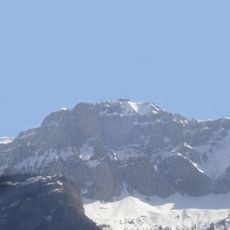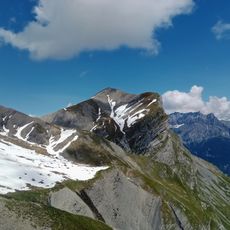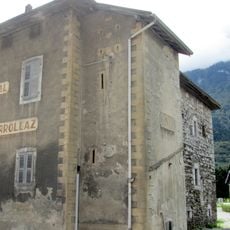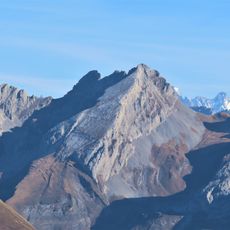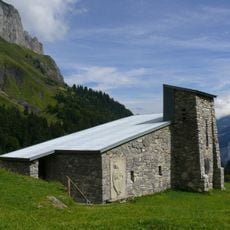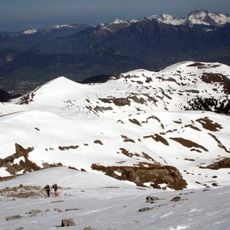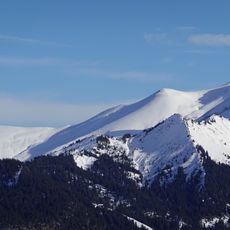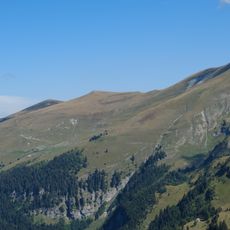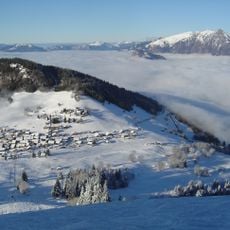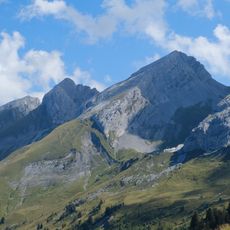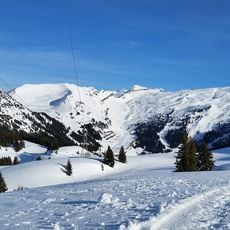
Glacier de l'Arve, Alpine glacier in Haute-Savoie, France.
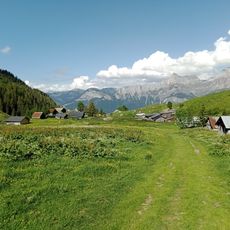
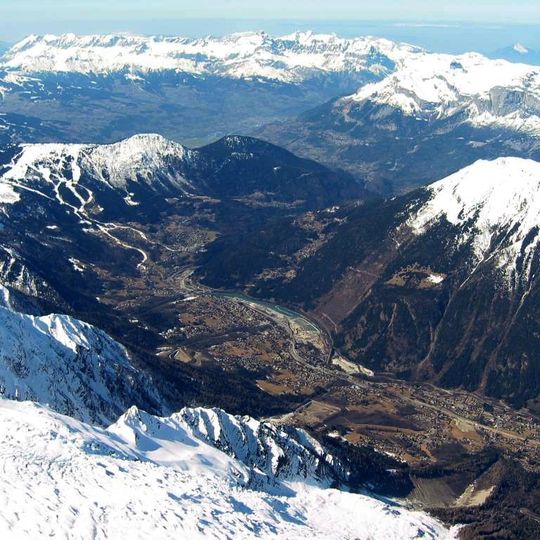
Glacier de l'Arve was an extensive ice mass that flowed through the Arve Valley between the mountain ranges of Aravis, Bornes, Giffre, and Chablais. Its path stretched from the Chamonix region down toward Lake Geneva, carving deep valleys and geological features that remain visible in the landscape today.
The glacier originated during multiple glacial periods, forming in the Chamonix Valley before merging with the Rhone Glacier near Lake Geneva. Its retreat since the end of the last ice age has provided evidence of how climate shifts affect Alpine landscapes over time.
The glacier system shaped alpine communities and prompted the growth of mountain exploration and scientific inquiry across the French Alps.
Research stations and observation points positioned along the former glacier path offer scientists opportunities to study climate patterns and geological formations. Most observation areas require specialized knowledge and can be challenging to reach without proper guidance or local expertise.
During peak glacial periods, the ice mass rose to heights exceeding 1000 meters at the Chamonix Valley exit, fundamentally reshaping the terrain. This scale of ice demonstrates how dramatically the landscape has transformed since those ancient times.
The community of curious travelers
AroundUs brings together thousands of curated places, local tips, and hidden gems, enriched daily by 92,410 contributors worldwide.