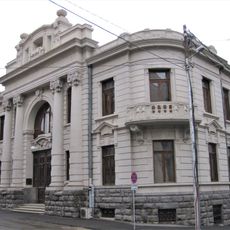
Tbilisi National Gallery, Art museum on Rustaveli Avenue, Tbilisi, Georgia.
The Tbilisi National Gallery displays paintings, sculptures, and mixed-media installations across multiple exhibition spaces in a building that combines traditional and modern architecture. The rooms are arranged clearly, allowing visitors to move easily between different artistic periods and styles.
The gallery was founded in 1920 and emerged as the first specialized institution for preserving and presenting Georgian art collections during the early years of independence. This founding moment marked an important time when the country began systematically documenting and protecting its artistic heritage.
The collection displays medieval religious works alongside contemporary Georgian artists and folk art, showing how the country's visual expression has developed over time. These pieces offer visitors insight into the artistic identity and values that mattered to Georgian society across different periods.
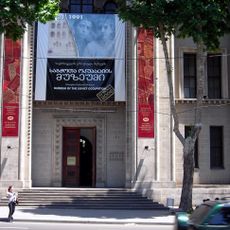
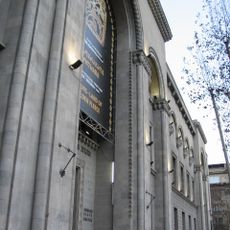
The gallery occupies the former Temple of Glory at 11 Rustaveli Avenue, its entrance marked by Corinthian columns and a semicircular exedra. The 2007 reconstruction by the Portuguese firm Ainda Arquitectura added exhibition space behind the garden side while keeping the central facade and the original halls. Eight halls, a restoration laboratory, a storage room for temporary exhibitions, a study space and a shop now serve visitors.
The collection preserves rare examples of medieval Georgian religious paintings that document the transition between Byzantine techniques and local artistic traditions. These works show how outside influences merged with Georgian elements to create a distinctive artistic style.
The community of curious travelers
AroundUs brings together thousands of curated places, local tips, and hidden gems, enriched daily by 94,051 contributors worldwide.