Aquincum Museum, Archaeological museum in Óbuda district, Budapest, Hungary.
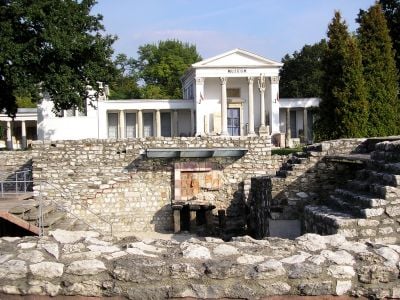
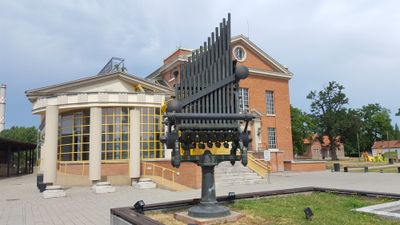
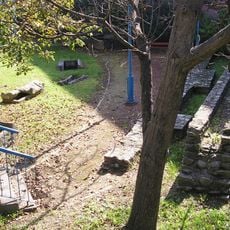
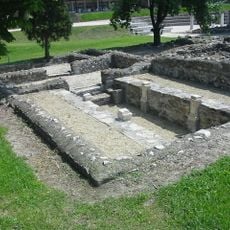
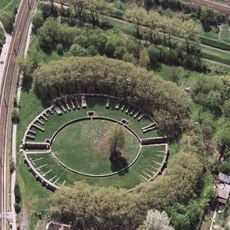
The Aquincum Museum is an open-air archaeological museum in Óbuda displaying Roman artifacts, structural foundations, and reconstructed buildings from ancient times. The site covers a large area with different sections representing various parts of a former Roman settlement.
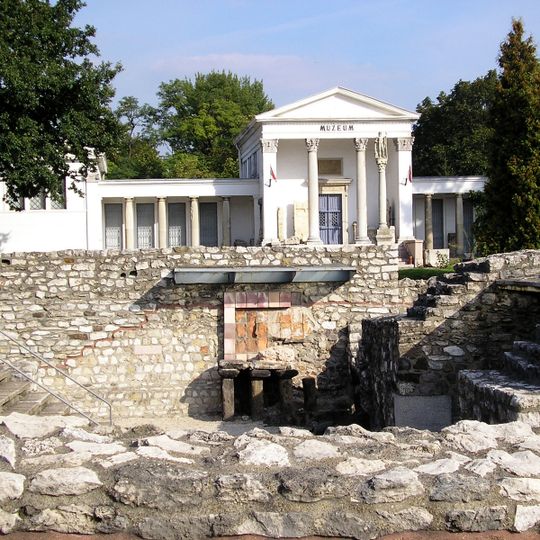
Roman finds came to light here in 1778, when a vineyard owner digging a wine trench struck a hypocaust floor, which Schönvisner István identified as Aquincum. Scientific excavations began in 1880 under Torma Károly, Hampel József and Havas Sándor, and the first Aquincum exhibition opened in 1889 in the Krempl mill. The museum building opened on 10 May 1894 through the work of excavation director Kuzsinszky Bálint, and was extended by two wings in the millennium year. Bombing in World War II badly damaged the building and the ruin area, and the first post-war exhibition opened in 1947.
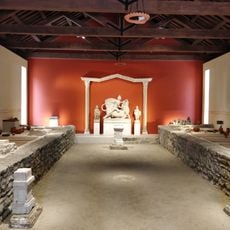
The museum takes its name from Aquincum, the Roman town whose remains lie around it. Finds from the site include objects from a local mithraeum, a sanctuary of the god Mithras. In the lapidary collection behind the old building, carved sarcophagi, tombstones and decorative architectural fragments are displayed under a colonnade.
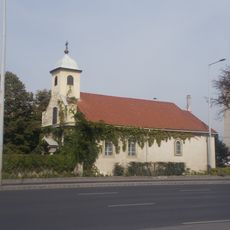
The museum stands at Szentendrei út 135 in District III, on the site of the Roman civilian town, with the excavated ruins and the columned lapidarium behind the 1894 exhibition building. The grounds are largely open-air, so allow time to walk between the ruins, the reconstructed bath and the stone collection.
Archaeologists continue to actively dig here and regularly uncover new finds, meaning the collection constantly changes and grows. Some areas display excavations in progress, allowing you to witness the archaeological process firsthand.
The community of curious travelers
AroundUs brings together thousands of curated places, local tips, and hidden gems, enriched daily by 92,620 contributors worldwide.