City of David, Archaeological site in East Jerusalem, Israel
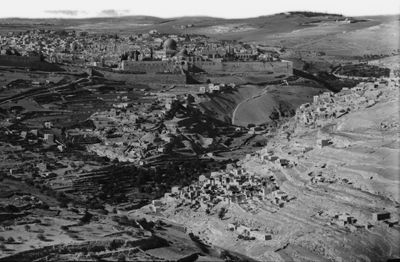
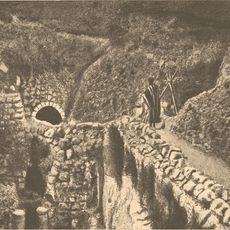
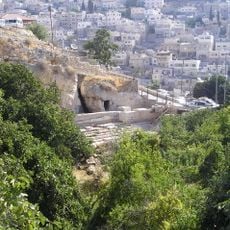
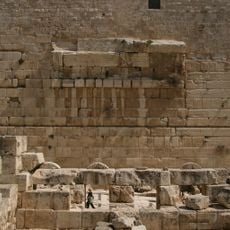
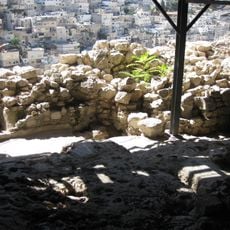
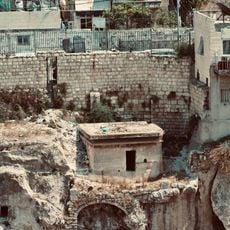
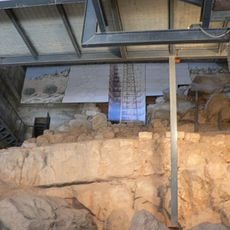
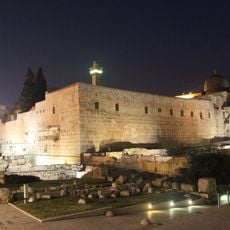
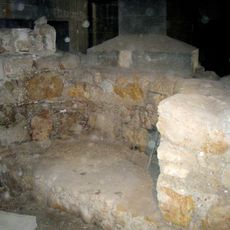
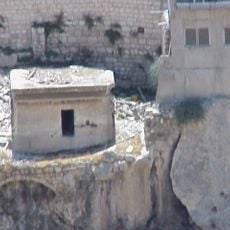
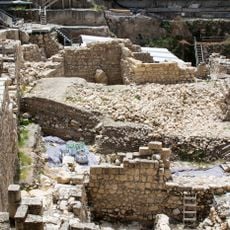
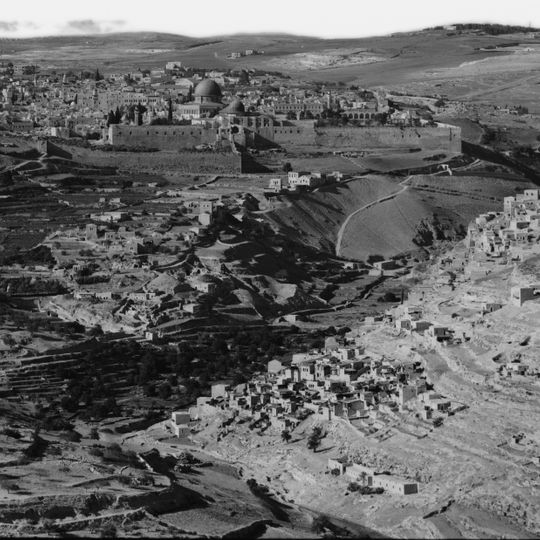
The site runs along a narrow ridge between the Kidron Valley and the Tyropoeon Valley, preserving exposed foundations, walls and rooms from different periods. Several levels appear one above the other, with older layers beneath later ones, giving a view into how construction evolved over centuries.
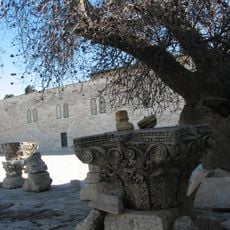
Excavations that began in the 19th century uncovered fortifications and water systems dating back to the Bronze Age. Later finds show how the city was further developed during the Iron Age, when it served as a political and religious center.
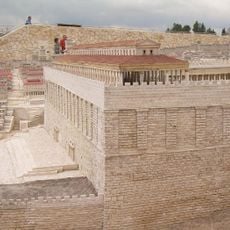
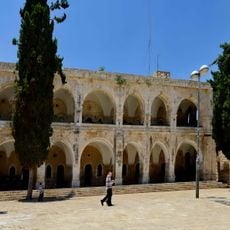
The name refers to King David, whose capital is said to have risen here around the 10th century BC. Visitors today walk among excavations that show ancient city life with streets, houses and workshops where people once lived and carried out daily tasks.
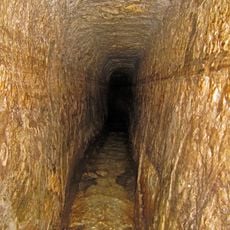
The Siloam Tunnel can be walked through, though visitors wade through knee-deep water and need a flashlight, as the passage becomes very narrow and dark in places. Sturdy footwear and a change of clothes are advisable because the path can be wet and slippery.
The Gihon Spring at the foot of the hill has supplied water for residents for thousands of years and was the reason the settlement developed at this exact spot. The tunnel was cut through rock to channel the water safely into the city during times of siege.
The community of curious travelers
AroundUs brings together thousands of curated places, local tips, and hidden gems, enriched daily by 91,563 contributors worldwide.