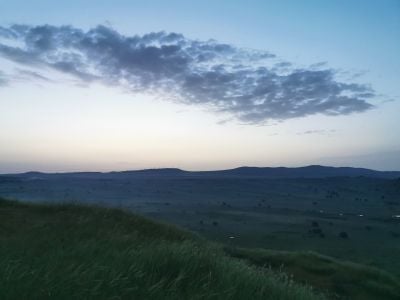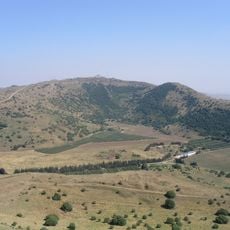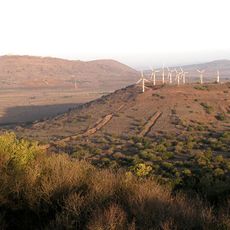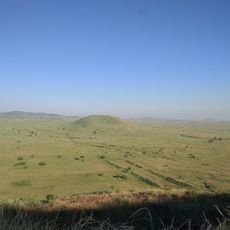
Mount Shifon, Volcanic summit in Golan Heights, Israel.
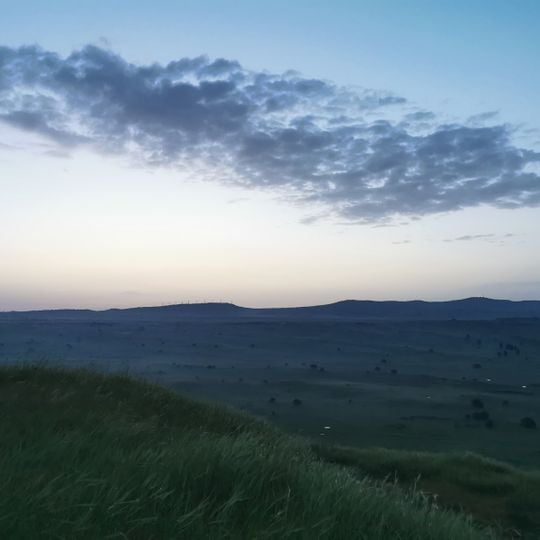
Mount Shifon is a dormant volcano in the northern Golan Heights, rising to 971 metres and standing about 150 metres above the surrounding plain. It forms an isolated cone on the eastern edge of the Golan volcanic chain, with its summit offering a circular view over the Golan, Galilee and Mount Hermon.
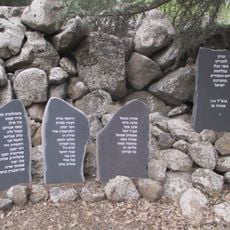
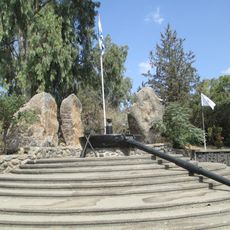
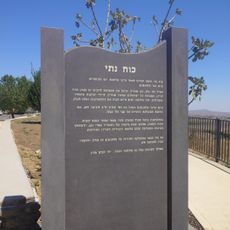
The mountain was the site of intense fighting between Syrian and Israeli forces in 1973 for territorial control. This conflict left a lasting mark on the region's history.
The Hebrew name comes from the mountain rye plant that grows here; Aharon Aaronsohn, who identified wild wheat, studied it in this area. The Arabic name Tal Abu Khanzir means "hill of the pig's father", after a spring said to appear from underground to help travellers and the wild boars common here.
The summit is reached from the north, where the village of Ortal lies on the mountain's northern slope, about 7 km from the Israeli control line. The top gives a circular view over the Golan Heights, toward the Galilee and Mount Hermon. The hill lies within the Shifon nature reserve, which covers 850 dunams (85 hectares).
The geological structure reveals this was formed as an ash cone through gas eruptions that deposited layers of scoria and tuff around the central vent. This volcanic activity shaped the entire landscape of the area.
The community of curious travelers
AroundUs brings together thousands of curated places, local tips, and hidden gems, enriched daily by 92,678 contributors worldwide.