הנמל התת-ימי בקיסריה, Ancient Roman port in Caesarea, Israel
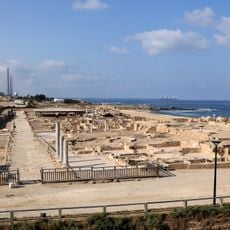
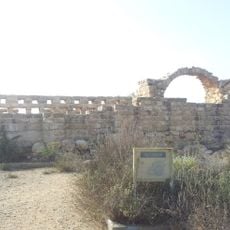
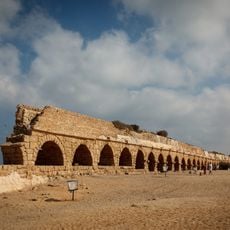
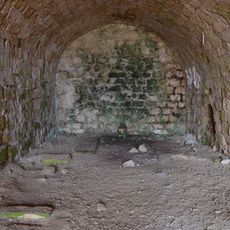
The submerged harbor at Caesarea is an ancient Roman port facility extending into the Mediterranean with large stone breakwaters and multiple docking points built using sophisticated Roman engineering. The remains visible underwater include storage buildings, warehouses, and loading areas that demonstrate the facility's commercial scope.
King Herod built this port facility between 25 and 13 BCE, creating the first artificial harbor constructed on sandy shores in the ancient world. The engineering methods used then set new standards for harbor construction in the Mediterranean region.
The port functioned as a major trading hub connecting Rome and Egypt, enabling the flow of grain, fabrics, and gemstones across the Mediterranean world. This commercial importance shaped the city's prosperity and made it a wealthy center of ancient maritime commerce.
The port can be explored through guided diving tours that reveal ancient structures beneath the water's surface. Water conditions vary by season, affecting visibility of the underwater remains and the overall diving experience.
The construction employed innovative techniques in which wooden platforms were sunk with concrete blocks to create a stable foundation on shifting sand. This groundbreaking method allowed for the creation of a lasting harbor where traditional building would have been impossible.
The community of curious travelers
AroundUs brings together thousands of curated places, local tips, and hidden gems, enriched daily by 91,141 contributors worldwide.