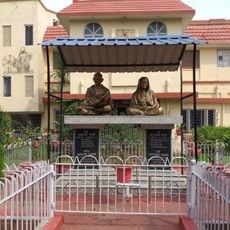
Pataliputra, Ancient capital city in Patna district, India
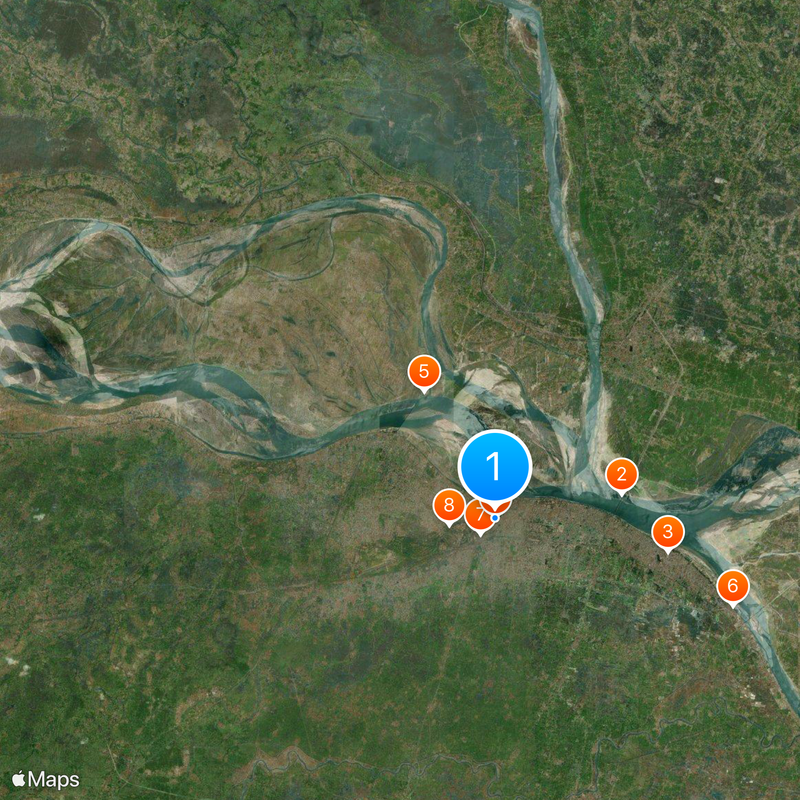
Pataliputra spreads beneath the modern city of Patna, revealing remnants of fortification walls, gates, and well-engineered drainage systems. Archaeological digs have uncovered stone constructions, wooden buildings, and administrative structures from several periods.
Ajatashatru founded the fortress in 490 BCE along the Ganges, and it became the capital of several great empires, including that of the Mauryan dynasty. Over the centuries, it grew into one of the largest and most influential cities of the ancient world.
Buddhist monasteries and study centers drew scholars from across Asia, turning the city into a hub for philosophy and religious exchange. Monks lived alongside craftsmen and merchants from distant regions, shaping the daily rhythm of the inhabitants.
The archaeological sites are scattered beneath the streets and neighborhoods of Patna, so visiting requires longer walks through the modern city. Some excavation areas are open only at certain times, making it worthwhile to check in advance which sections are accessible.
The Greek ambassador Megasthenes described the city as a parallelogram with wooden walls and numerous towers, showing advanced urban planning in ancient India. His accounts today offer insight into how travelers and diplomats perceived the scale of the settlement.
The community of curious travelers
AroundUs brings together thousands of curated places, local tips, and hidden gems, enriched daily by 92,254 contributors worldwide.