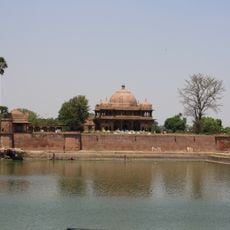
Agam Kuan, Ancient water well in Patna, India
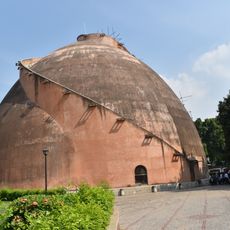
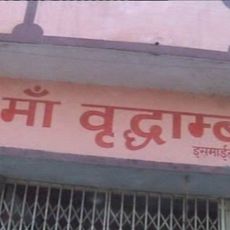
Agam Kuan is a circular brick well 105 feet (32 m) deep and over 4.5 metres in diameter, with the upper 13 metres brick-lined and the lower 19 metres held by wooden rings. Its surface structure, built under Akbar, is a deep-red domed cylinder with eight arched windows; the central arch holds a dark metal grille and white Devanagari text is painted on the right wall.
Agam Kuan is attributed to the reign of Mauryan emperor Ashoka (304–232 BCE), when Patna was Pataliputra. In the 1890s the British explorer Laurence Waddell, surveying the ruins of Pataliputra, identified it as the well of Ashoka's hell chambers, where convicts were said to be thrown into fire; Chinese pilgrims of the 5th and 7th centuries reported the torture practice. Ashoka's Edict VIII mentions the well, also called the "fiery well". A roofed structure was built over it under Emperor Akbar.
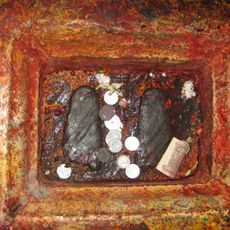
The name Agam Kuan means "unfathomable well". Visitors still throw coins and flowers into it, especially in summer, because the well is linked to heat and hell. It is used for Hindu wedding ceremonies, though its water is never drunk. Mughal officials once offered gold and silver coins here.
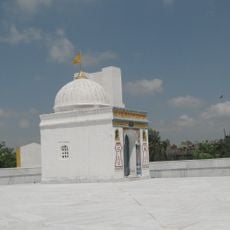
Agam Kuan stands near Gulzarbagh railway station, on the road toward Panch Pahadi east of central Patna. The adjacent Shitala Devi temple shares the grounds, so the two are visited together. The well itself is covered by a domed structure with arched openings, so the shaft is not open to the sky.
In the upper 43 feet the lining is entirely brick, while the lower 62 feet are secured with wooden rings. This double technique shows how the builders dealt with different soil layers and groundwater movements without risking stability.
The community of curious travelers
AroundUs brings together thousands of curated places, local tips, and hidden gems, enriched daily by 93,672 contributors worldwide.