Barh, human settlement in India
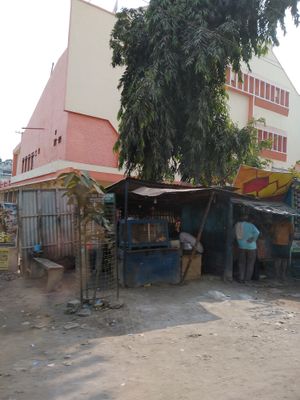
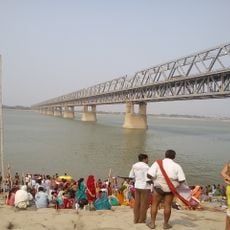
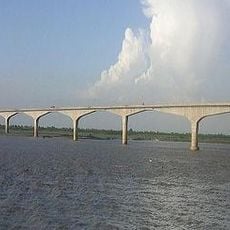
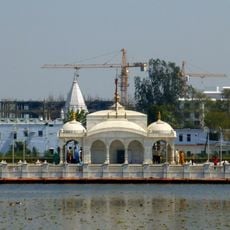
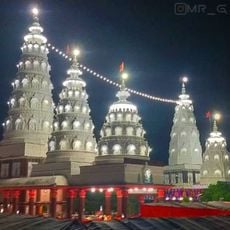
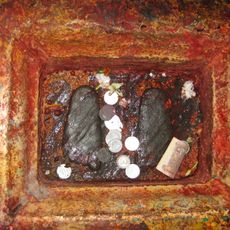
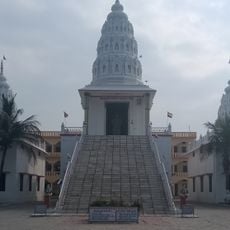
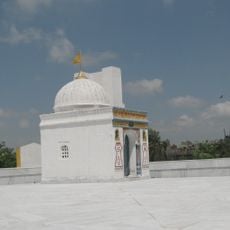
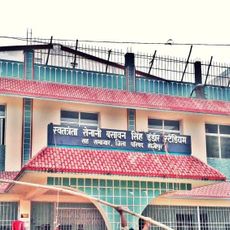
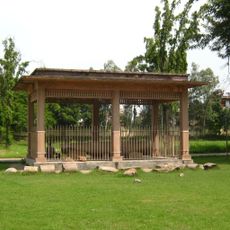
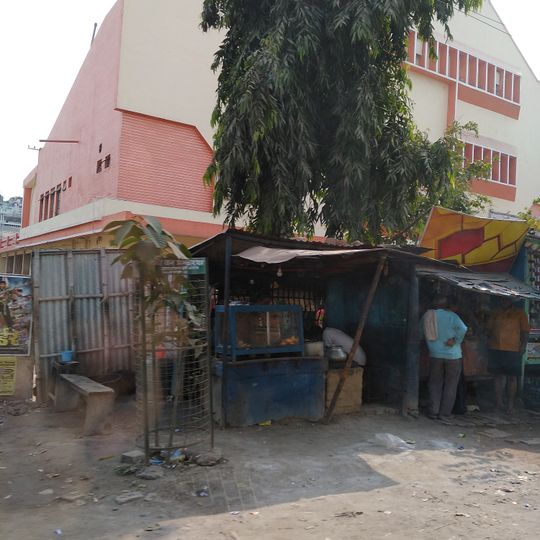
Barh is a small town in Patna district that sits on the southern edge of the Ganga River, with a mix of old buildings and simple houses alongside farming fields. The settlement has notable temples including the Umanath Temple, narrow streets lined with local shops, basic schools, and connections by rail and highway to nearby areas.
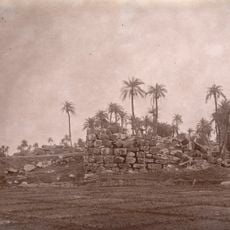
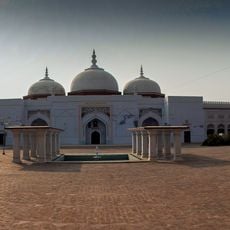
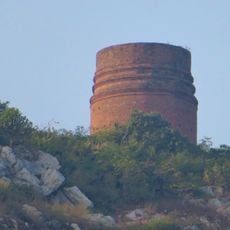
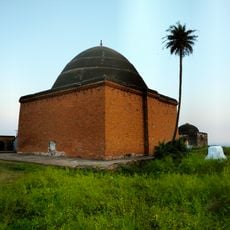
Barh was historically a busy trading point where ships traveling between Calcutta and other Indian regions stopped to exchange grains and food, and it was known for growing lentils and pulses. The town contains a courthouse more than 150 years old and religious structures like the Suleiman Chisti mausoleum built by emperor Sher Shah Suri.
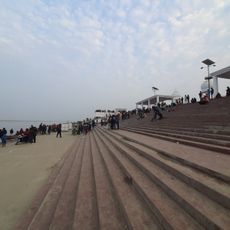
Barh reflects the way rural communities live closely together, with daily routines shaped by farming and the nearby river that remains central to local customs. Visitors notice residents gathering for festivals and religious celebrations, wearing traditional clothes, and participating in rituals that mark the seasons and connect people to their land.
It is best to explore Barh on foot or by bicycle since narrow streets are difficult for vehicles, and during the monsoon season the river can overflow affecting nearby paths. Reaching the town from Patna is possible by local bus or shared taxi, and asking local residents for directions helps since roads are basic.
A notable feature is the Suleiman Chisti mausoleum built by powerful emperor Sher Shah Suri, standing next to a mosque believed to have been built by the daughter of Emperor Aurangzeb. These religious structures reveal how different dynasties influenced the region and reflect the layered history of rulers and their impact on this place.
The community of curious travelers
AroundUs brings together thousands of curated places, local tips, and hidden gems, enriched daily by 92,678 contributors worldwide.